National Dish Burundi: Matoke (Recipe)
In this article
Discover Matoke, the national dish of Burundi. At the heart of this comforting stew are green bananas, gently simmered with onion, garlic and tomato until meltingly soft. Mild, nourishing and endlessly adaptable, it is the kind of everyday dish that also takes pride of place at feasts and family gatherings. Bring the warm, earthy flavours of East Africa to your own table with this simple, satisfying classic.
About Matoke
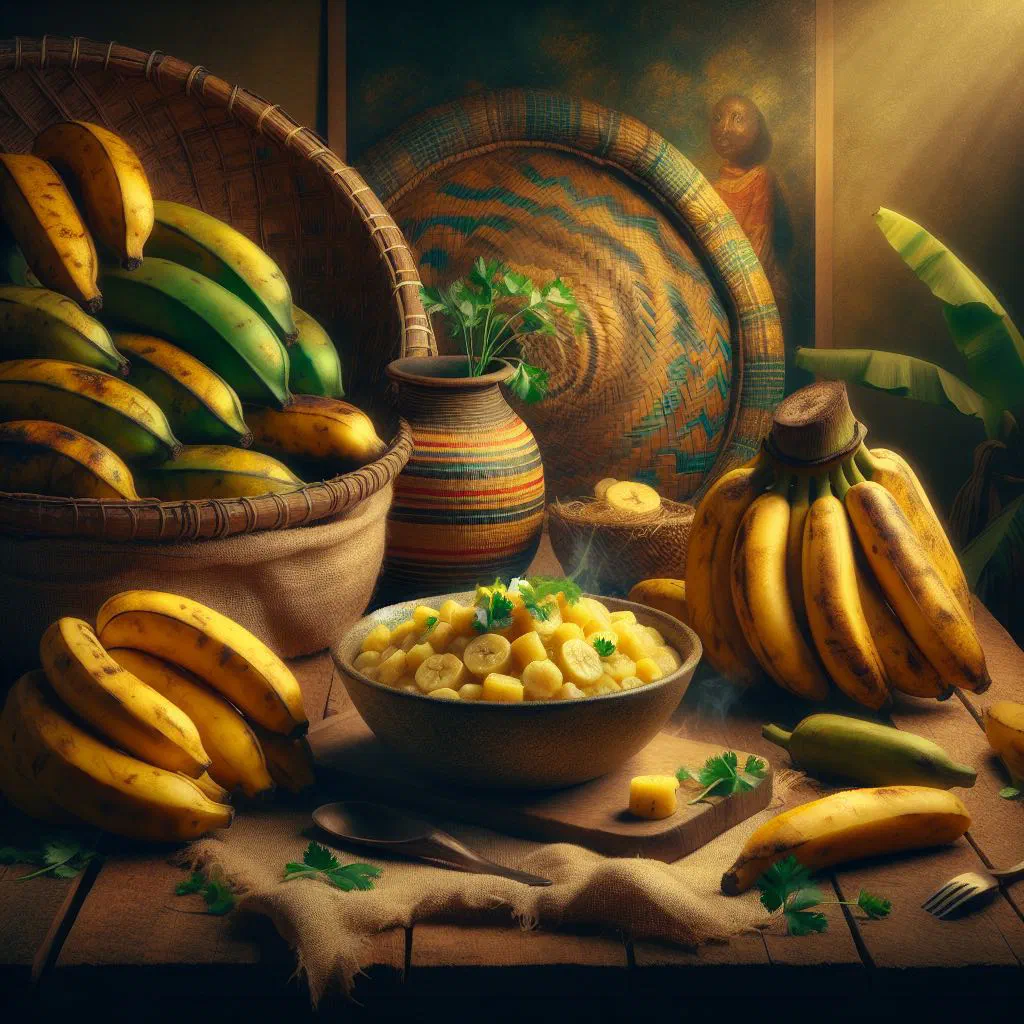
Matoke is a traditional dish from Burundi that represents the local kitchen and forms an important part of the country’s culture. Its main ingredient is green bananas, which can be prepared in a whole range of ways. The dish is known for its mild flavour and its versatility, and it pairs beautifully with different sides or sauces. This culinary speciality is often cooked for festivals and celebrations, reflecting the traditional food culture of the nation, much like the beloved Beans and Bananas enjoyed across the region.
Ingredients (serves 1–2)
- 4–5 green bananas (matoke)
- 1 onion
- 2 cloves of garlic
- 1–2 tomatoes
- 1 teaspoon salt
- ½ teaspoon black pepper
- 2 tablespoons oil (such as palm oil or olive oil)
- Water, as needed
Shopping for the ingredients
For the best matoke, it is worth seeking out fresh, good-quality ingredients. Green bananas are the star of the dish and should be firm and unripe to achieve that characteristic flavour. Onions, garlic and tomatoes should likewise be bought fresh, as they give the dish its distinctive taste. Many of these ingredients are readily available in African grocery shops or at weekly markets.
Preparing the dish
Preparing matoke is straightforward, though a few basic steps help bring out its full flavour. Begin by peeling the green bananas and cutting them into even pieces. Chop the onion, garlic and tomatoes finely and set them aside before you start cooking. A little careful preparation keeps the whole cooking process smooth and efficient.
Step-by-step instructions
- Heat the oil in a large pot over medium heat.
- Add the chopped onion and garlic and fry until soft.
- Stir in the chopped tomatoes and let everything simmer for a few minutes.
- Add the prepared banana pieces and mix everything together well.
- Pour in enough water to cover the bananas and let the dish simmer over low heat for about 30 minutes, until the bananas are tender.
- Season with salt and pepper to taste and serve the matoke warm.
Gluten-free / lactose-free version
Matoke is naturally a gluten-free dish, as it contains no gluten-based ingredients. It is equally suitable for anyone with a lactose intolerance, since no dairy products are used. Every ingredient is plant-based, which makes the recipe a good fit for a wide range of diets. It is also easy to tweak the dish to suit individual needs.
Tips for vegans and vegetarians
Matoke is already vegan and vegetarian by nature, which makes it a wonderful choice for these diets. To make the dish even more nourishing, you can add vegetables such as carrots or peas. Herbs like parsley or coriander lend a fresh note, too. Just be sure to use plant oils that are accepted within the vegan community.
More tips and tricks
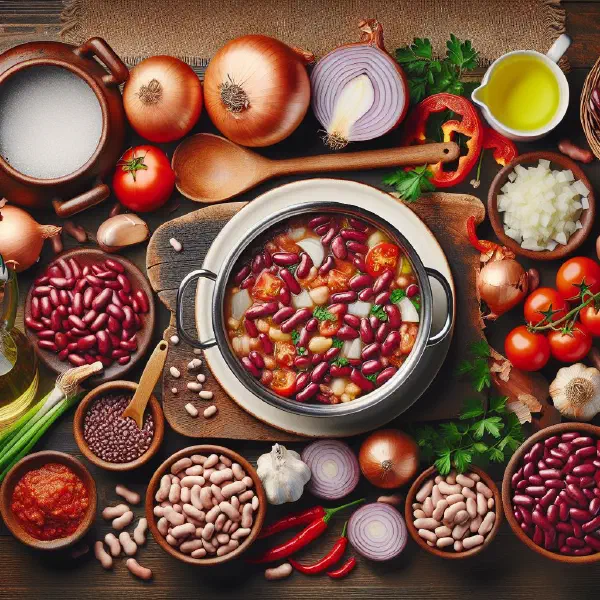
To intensify the flavour of matoke, you can add extra spices such as cumin or chilli, depending on your personal taste. Let the bananas cook for a few minutes longer to achieve a creamier consistency. You can also combine matoke with other sides such as rice or beans to vary the dish and make it more filling, the hearty Ibiharage beans make a particularly good partner. Experiment with the accompaniments to create your own version.
Adapting the recipe to your taste
There are countless ways to adapt matoke to your preferences. Some cooks add coconut milk, for example, for a richer texture. If the consistency is too soft for your liking, you can reduce the cooking time or use less water. Remember that adjusting a recipe also helps make it more personal and opens the door to new flavour experiences.
Ingredient substitutions
If you struggle to find fresh green bananas, you can also use other varieties of cooking plantains that are available. In place of the onion, shallots work well for a slightly different flavour. If you have no access to palm oil, olive oil makes a fine alternative. Substitutions like these preserve the character of the dish while taking regional availability into account.
Drink pairing ideas
A variety of drinks pair nicely with matoke and complement its flavours. A light African beer makes a refreshing companion that echoes the taste of the bananas beautifully. Alternatively, fruit juices made from mango or pineapple are a great choice for adding a sweet note. For an alcohol-free option, a lightly sweetened tea rounds off the meal well.
Serving and presentation ideas
The way you present your matoke can play a big part in how the meal is enjoyed. Serve the dish in a large bowl, garnished with fresh herbs such as coriander or parsley for a splash of colour. Small dishes of sauces or extra sides such as salad can lighten the meal and add variety. Aim to combine colours and textures harmoniously so the dish looks as appetising as it tastes.
A bit of history
Matoke has its roots in East Africa and is a symbol of the cultural significance of the banana across the region. The dish is popular in Burundi and in neighbouring East African countries. Its preparation has evolved over centuries and is closely bound up with the traditions and daily life of the people. It is a fine example of the simple, nourishing cooking that is so treasured throughout many African cultures, and a proud part of Burundi cuisine.
More recipe ideas
Summary: Matoke
Matoke is a hearty, traditional dish from Burundi that is easy to prepare and offers plenty of scope for adaptation. With fresh ingredients and a simple cooking process, it slots perfectly into the rich variety of African cuisine. Whether vegan, vegetarian or gluten-free, this dish appeals to almost everyone and can be shaped entirely to your own taste. Give it a try and enjoy a genuine taste of African flair in your own kitchen.