National Dish Burundi: Uji (Recipe)
In this article
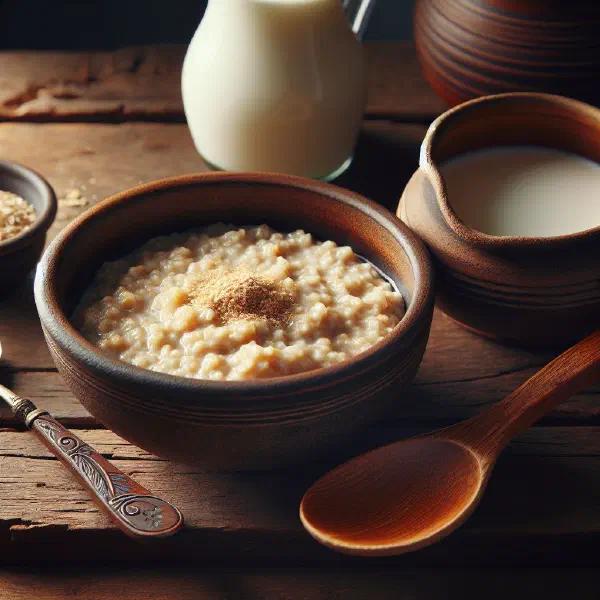
Start the day the Burundian way with Uji, a warm and comforting porridge that has nourished families across the country for generations. Made from humble cornmeal or millet, it cooks up wonderfully creamy and can be sweetened to taste with a drizzle of honey or crowned with fresh fruit and nuts. Simple, wholesome and endlessly adaptable, it is the kind of nutritious breakfast that suits everyone at the table, young and old alike.
About Uji
Uji is a traditional porridge widely enjoyed across Burundi. It is typically made from cornmeal or millet and has a smooth, creamy consistency. The porridge is often cooked with either water or milk, which gives it a varied texture and a distinctive flavour. Not only is the dish very easy to prepare, it is also remarkably nutritious and wholesome, making it an ideal breakfast choice for all ages.
Ingredients (serves 1–2)
- 1 cup cornmeal or millet
- 3 cups water or milk
- A pinch of salt
- Optional: honey or sugar, to sweeten
- Optional: fruit or nuts, to garnish
Shopping for the ingredients
The ingredients for uji are available in most supermarkets as well as in Asian and African grocery shops. Cornmeal and millet are often inexpensive staples that are rich in fibre and minerals. To make sure everything is as fresh as possible, it is worth supporting local producers wherever you can. When buying milk, decide whether you would rather use a fresh dairy product or a plant-based alternative.
Preparing the dish
Preparing uji could hardly be simpler, and it calls for no elaborate cooking techniques. First, gather all the ingredients, bearing in mind that the choice between water and milk will noticeably shape the flavour of the finished dish. Depending on your own preferences, you can also add extras such as honey or fresh fruit to round it off. Have all the necessary utensils, such as a saucepan and a spoon, close to hand so the cooking process runs smoothly.
Step-by-step instructions
- Bring 3 cups of water or milk to the boil in a saucepan.
- Slowly add the cup of cornmeal or millet, stirring constantly to prevent lumps forming.
- Reduce the heat and let it simmer for 5–10 minutes, until the porridge reaches the consistency you like.
- Add a pinch of salt and sweeten to taste with honey or sugar.
- Serve the uji in a bowl and garnish as you wish with fresh fruit or nuts.
Gluten-free / lactose-free version
For anyone with a gluten intolerance or lactose intolerance, uji is an excellent choice. Millet is naturally gluten-free and works perfectly as the base. Instead of dairy milk, you can use plant-based milk such as almond or oat milk to keep the porridge lovely and creamy. It is the same easygoing approach that makes a warming bowl of Igikoma so welcoming.
Tips for vegans and vegetarians
Uji is an extremely flexible dish that adapts easily to vegan and vegetarian diets. As mentioned, you can simply swap dairy milk for plant-based milk. You might also stir in extra plant-based protein sources such as nuts or seeds to boost the nutritional value. Experiment with different fruits to make your uji both healthier and even more delicious.
More tips and tricks
To bring out the best in uji, try adding warming spices such as cinnamon or vanilla. This lends the dish a special note and makes it even more inviting. It is also important to stir constantly while cooking to keep the consistency smooth and even. You could even use uji as a base for other dishes, such as smoothie bowls or desserts.
Adapting the recipe to your taste
Uji lends itself beautifully to personal preference. You can try different types of flour to give the dish a fresh new flavour, such as rice flour or quinoa flour. You also get to decide which form of sweetness suits you best, whether that is honey-sweet or simply left natural. The scope for variation is almost limitless, so it can be made to suit any season.
Ingredient substitutions
Sometimes not every ingredient is available, or there are particular dietary needs to consider. In that case you can use millet flour or rice flour in place of cornmeal. If you would rather not use milk, water makes an excellent alternative, even if the texture may end up a little different. Experiment with blends of different flours to achieve a unique flavour and consistency, much like the resourceful spirit behind a bowl of Bugali.
Drink pairing ideas
A wide variety of drinks pairs well with uji and can round off the whole experience. A simple glass of fruit juice or a smooth green tea offers a welcome refreshment and harmonises nicely with the porridge. For a more filling breakfast, you could also serve warm herbal tea or milk alternatives that complement the flavours of uji. Something fruity like a glass of Maracuja Saft makes a lovely accompaniment, so do experiment to find your favourite combination.
Serving and presentation ideas
Presentation plays an important part in serving uji in an appealing way. Use colourful bowls or plates to show off the porridge, and decorate it with fresh fruit slices, nuts or a drizzle of honey. Even edible flowers can add a charming accent. Take care that the colours of the ingredients complement one another, creating a bowl that is as pleasing to the eye as it is to the palate.
A bit of history
Uji has a history in Burundian culture and has been regarded as a staple food for generations. It is far more than a simple dish; it is a symbol of hospitality and community. Traditionally, uji is served during celebrations and on special occasions, which underlines its importance in Burundian society. It reflects a deep connection to the roots of the country’s food and culture, and it remains a favourite for young and old across Burundian cuisine.
More recipe ideas
Summary: Uji
Uji is more than just a simple breakfast; it is a nutritious and versatile dish that adapts easily to a range of dietary needs. The preparation is straightforward and will succeed even in the hands of a novice cook. With its many variations and adjustable recipes, everyone can enjoy the merits of this Burundian classic. Do not miss the chance to bring uji into your kitchen and, with it, a taste of Burundi’s cultural heritage.