National Dish Cambodia: Amok (Recipe)
In this article
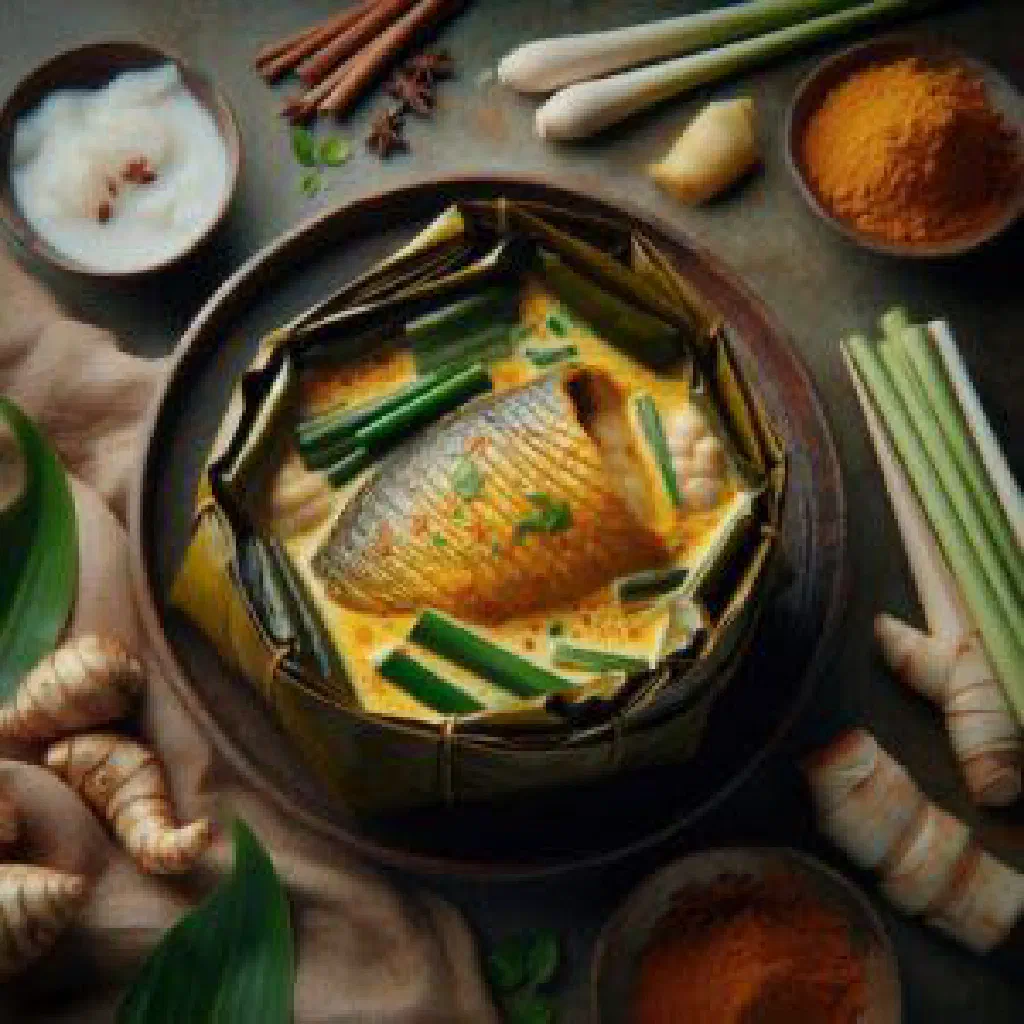
Discover Amok, the exotic national dish of Cambodia and one of the most treasured creations of the Khmer kitchen. This gently steamed fish curry strikes a beautiful balance between sweet coconut milk and a fragrant, aromatic spice paste. Wrapped and cooked in a banana leaf, it takes on a delicate, mousse-like texture that melts on the tongue. With this authentic recipe you can bring the warm, tropical flavours of Cambodia straight to your own table.
About Amok
Amok, often known as Amok Trei, is far more than a simple meal. It is a piece of Cambodian heritage that enchants with its traditional aromas. What makes it so special is the unique combination of fresh ingredients, such as tender fish or chicken, blended with a delicate curry paste and folded through creamy coconut milk until silky-smooth. Traditionally the mixture is steamed in banana leaves, which lends it a distinctive fragrance and mousse-like set. It is precisely this careful, time-honoured method that has earned Amok its place as the national dish of Cambodia.
Ingredients (serves 1–2)
- 400g firm fish fillet (such as catfish or snakehead)
- 200ml coconut milk
- 2–3 tablespoons kroeung (Khmer curry paste)
- 1 egg
- 1 teaspoon fish sauce
- 1 teaspoon palm sugar
- A handful of fresh noni or spinach leaves
- Fresh banana leaves, for steaming
- Sliced red chilli, to garnish
- A lime wedge, to serve
Shopping for the ingredients
When shopping for Amok, it really pays to choose fresh, high-quality ingredients. Buy your fish from a fishmonger you trust and ask for the freshest catch of the day. The spices and herbs that go into the curry paste should be equally fresh to draw out the most aromatic result. Banana leaves, palm sugar and ready-made kroeung can often be found in Asian grocers, while a well-stocked supermarket will supply most of the everyday items.
Preparing the dish
The secret to a good Amok lies in the preparation. Cleaning and softening the banana leaves, along with finely chopping the ingredients for the curry paste, can all be done ahead of time. Cut the fish into bite-sized pieces and have your coconut milk measured out. With everything laid out and ready, the cooking itself comes together quickly and calmly, and you can focus on building those layers of flavour.
Step-by-step instructions
- Start by making the curry paste, grinding all the required spices to a fine kroeung in a mortar and pestle.
- Combine the paste with the coconut milk, egg, fish sauce and palm sugar, whisking until smooth and creamy.
- Fold the pieces of fish gently through the mixture so each is well coated.
- Line small banana-leaf cups or parcels with the noni or spinach leaves, then spoon in the fish and sauce.
- Steam the parcels over simmering water for around 20 minutes, until the curry has set to a soft, mousse-like texture.
- Garnish with sliced chilli and a lime wedge, and serve warm.
Gluten-free / lactose-free version
Amok is naturally gluten-free and lactose-free, which makes it a wonderfully inclusive dish. As it is built on coconut milk rather than dairy, there is no lactose to worry about from the outset. Simply check that your fish sauce and curry paste contain no hidden wheat, and choose certified gluten-free versions where needed.
Tips for vegans and vegetarians
Amok adapts readily for vegetarians and vegans. Swap the fish for firm tofu or a medley of mushrooms and vegetables, and replace the fish sauce with a splash of light soy sauce or a vegan alternative. Leave out the egg or use a plant-based binder to keep that soft, custardy set. With fresh herbs and a good curry paste, a meat-free Amok loses none of its fragrant, comforting character.
More tips and tricks
If you cannot get hold of banana leaves, aluminium foil or baking parchment will do the job of forming the Amok parcels just as well. Take care not to over-steam the curry, or the delicate texture can turn firm rather than mousse-like. A touch more palm sugar rounds out the flavours, while an extra spoon of kroeung deepens the aromatic punch. For a smoother finish, blend the paste thoroughly before folding in the fish.
Adapting the recipe to your taste
Amok is easily tailored to personal preference. Vegetarians, for instance, can use tofu in place of fish, and the heat can be dialled up or down to suit your palate. Add extra chilli for a fierier version, or hold back the spice for something gentler that lets the sweetness of the coconut shine. You might also try it with chicken or prawns for a different take on the same creamy, fragrant base.
Ingredient substitutions
Instead of the traditional catfish or snakehead, any other firm fish will work beautifully in Amok. The curry paste can be topped up with ready-made paste from an Asian grocer if you cannot source every fresh ingredient, a shortcut that also serves you well when making a Khmer Curry. Palm sugar can be replaced with brown sugar, and spinach stands in nicely for noni leaves when the latter proves hard to find.
Drink pairing ideas
Cool, not-too-heavy white wines or fruity cocktails complement the flavour of Amok perfectly, cutting through its richness without overwhelming the spice. A crisp lager or a chilled coconut water also make refreshing partners on a warm evening. For something non-alcoholic, a tangy limeade echoes the citrus notes in the dish and keeps the palate lively between mouthfuls.
Serving and presentation ideas
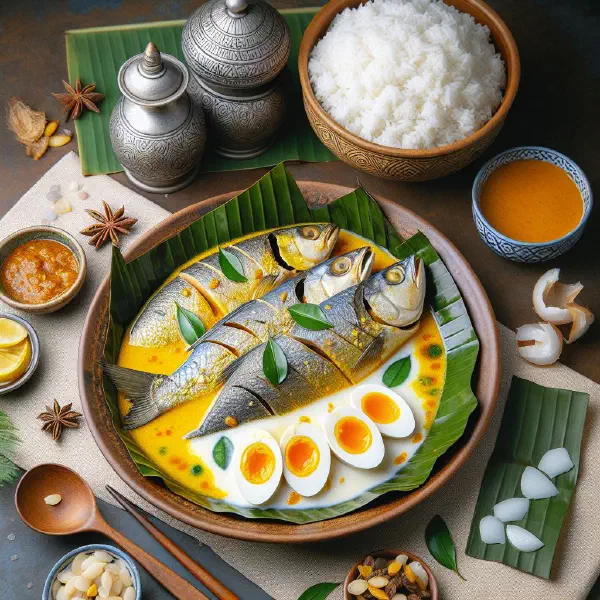
Serve Amok in an opened banana leaf to echo the traditional way of presenting the dish. A fresh lime wedge and a few threads of chilli add both colour and aroma, lifting the whole plate. Steamed jasmine rice on the side rounds out the meal, while a scattering of finely sliced kaffir lime leaf brings a final flourish of fragrance and a striking finishing touch.
A bit of history
The roots of Amok reach deep into Cambodian history, and it is believed the dish was already being served in the Kingdom of Angkor centuries ago. This steamed curry has long been associated with special occasions and religious festivals, where its careful preparation marked it out as a food of celebration. Over generations it has become an emblem of the country’s cooking and a proud highlight of Cambodian cuisine.
More recipe ideas
Summary: Amok
Amok is a Cambodian national dish that captivates with its history, its distinctive method of preparation and its many layers of flavour. Gently steamed in banana leaves and enriched with sweet coconut milk and fragrant spices, it is an absolute must for anyone who loves Southeast Asian cuisine. Chicken or tofu, this Khmer classic promises a memorable, deeply aromatic experience, let it inspire you and give it a try.