National Dish Cambodia: Banh Sung (Recipe)
In this article
Meet Banh Sung, a charming Cambodian treat that appeals to the senses long before the first bite. These delicate steamed rice cakes are as pretty to look at as they are satisfying to eat, layering gentle flavours and soft textures with a scattering of fresh herbs and a lively dipping sauce. If you want to capture the essence of Cambodian home cooking in a single dish, Banh Sung is a wonderful place to begin.
About Banh Sung
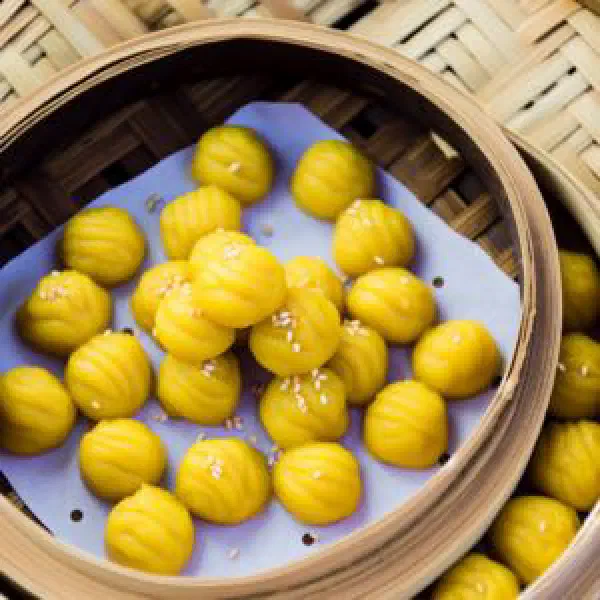
Banh Sung is a traditional Cambodian dish that engages all the senses. These steamed rice cakes are lovely to look at and offer a variety of aromas and textures that draw you in. They are often served with fresh herbs and a delicious dip that rounds off the whole experience beautifully. If you are looking for a dish that captures the spirit of Cambodian cooking, Banh Sung is the ideal choice.
Ingredients (serves 1–2)
- 200 g rice flour
- 400 ml water
- 1 tsp salt
- 100 g diced vegetables (e.g. carrots, courgette)
- 1 tsp turmeric (for colour)
- Fresh herbs (e.g. mint, coriander)
- Optional: peanuts, for sprinkling
- Dipping sauce of your choice
Shopping for the ingredients
The ingredients for Banh Sung are available both fresh and dried in most Asian supermarkets. Be sure to choose good-quality rice flour and fresh vegetables to get the best result. The choice of herbs matters too, as they lend the dish freshness and aroma. For a truly authentic flavour, try visiting a local market where the produce is offered fresh.
Preparing the dish
Before you start cooking Banh Sung, it helps to prepare all the ingredients first. Begin by washing and cutting the vegetables into small pieces so they distribute evenly through the rice cakes. Mix the rice flour, water and salt in a bowl until you have a smooth batter. These simple steps ensure your Banh Sung cook evenly and taste their best.
Step-by-step instructions
- Mix the rice flour, water, salt and turmeric in a bowl until you have a smooth, even batter.
- Add the diced vegetables and stir everything together well.
- Heat a steamer or a large pot of water.
- Pour a portion of the batter into a small, lightly oiled bowl.
- Steam the bowls for around 15 minutes, until the Banh Sung are firm and cooked through.
- Serve the Banh Sung warm, garnished with fresh herbs and your favourite dipping sauce.
Gluten-free / lactose-free version
Banh Sung is naturally gluten-free, since it is based on rice flour. To make sure the dish also suits anyone who is lactose-intolerant, take care that the dips and other ingredients you use are lactose-free too. Many traditional dips are easily adapted by swapping in products such as soya or coconut milk. That way you can enjoy a delicious Banh Sung without a second thought about intolerances.
Tips for vegans and vegetarians
Banh Sung makes an excellent base for vegan and vegetarian variations. You can use different vegetables or pulses as a filling, which boosts the nutritional value and brings new flavours to the table. Be sure to choose vegan options for the dips as well, to keep the dish entirely plant-based. In this way, pleasure and sustainability come together beautifully.
More tips and tricks
To get the best result with your Banh Sung, it helps to keep a close eye on the consistency of the batter. Make sure it is not too runny, or it may fall apart during steaming. Another useful tip is to lightly oil the bowls you steam in, so the little cakes release easily once cooked. Experimenting with different herbs and spices lets you tailor the dish to your own taste.
Adapting the recipe to your taste
The variety of fillings for Banh Sung is almost endless. You can use your favourite vegetables, such as spinach or mushrooms, or even add protein-rich alternatives like tofu. Do experiment with different herbs and spices to adjust the flavours to your liking. The ability to tailor the recipe to your preferences is exactly what makes Banh Sung such a versatile dish. It sits comfortably alongside other Cambodian favourites like Amok.
Ingredient substitutions
If you do not have every ingredient to hand, there are a few alternatives worth considering. Jasmine rice, for example, can be used in place of rice flour to create a different texture, much as it does in Bobor. The fillings can be varied to taste as well: instead of vegetables you could use braised meat or fish. These variations offer new flavour experiences and let you interpret the original recipe in creative ways.
Drink pairing ideas
A range of drinks pairs nicely with Banh Sung and rounds off the experience. For a refreshing match, try a cold-brewed iced tea or a glass of fresh coconut water, both of which support the flavours of the dish wonderfully. Asian beers or fruit-forward cocktails also make a lovely addition. These drinks harmonise perfectly with the fresh, savoury notes of Banh Sung.
Serving and presentation ideas
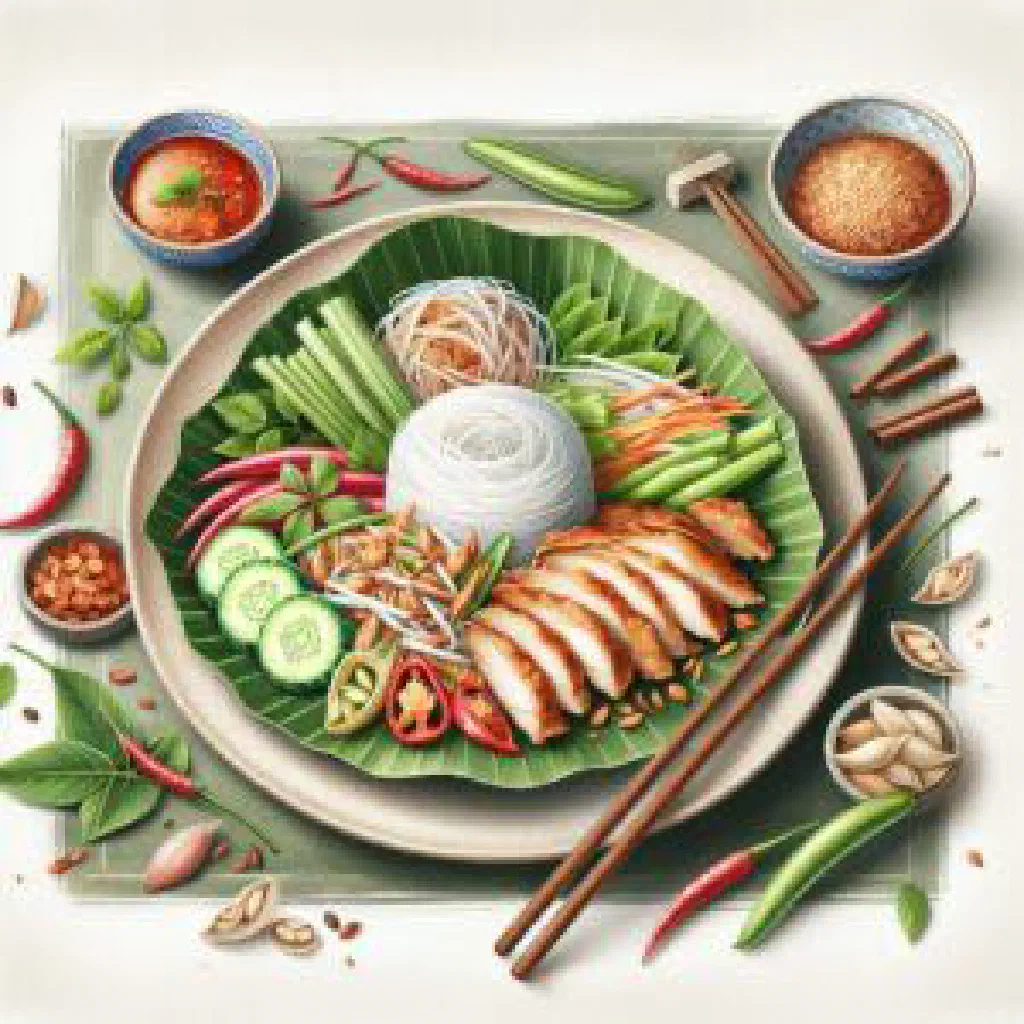
The way you present Banh Sung can lift the whole meal. Serve the rice cakes on a large wooden board and decorate them with fresh herbs and red chillies for a colourful look. Use small bowls for the dips and scatter a few peanuts or sesame seeds around the edges. An inviting arrangement will impress your guests and build their anticipation for the next bite.
A bit of history
Banh Sung has deep roots in Cambodian culture. This dish is often prepared for festivals and family gatherings, and it symbolises the hospitality and rich heritage of the country. The combination of fresh ingredients and traditional methods makes Banh Sung a timeless food that has endured across generations. Understanding its cultural significance adds a greater appreciation both while cooking and while eating, and it is a fine window onto Cambodian cuisine.
More recipe ideas
Summary: Banh Sung
In short, Banh Sung is a tasty and traditional Cambodian dish that offers a wonderful blend of flavours and textures. The freedom to adapt the recipe to personal preferences makes it a perfect choice for any occasion. With the right preparation and fresh ingredients, you can bring an authentic piece of Cambodia into your own kitchen. Let this dish inspire you and enjoy the culinary variety of Cambodia.