National Dish Cambodia: Bobor (Recipe)

In this article
Meet Bobor, the gentle, soothing rice porridge that Cambodians turn to when they want something warm and restorative. Silky and comforting, this humble bowl is a firm favourite at breakfast or as a light lunch, and it welcomes almost any topping you fancy, from fresh herbs to a spoonful of chicken or tofu. Simple to make and endlessly adaptable, Bobor brings the quiet, homely side of Cambodian cooking straight to your own table.
About Bobor
Bobor is a traditional Cambodian dish best known for its creamy texture and its gentle, comforting flavour. This rice porridge is often described as the ultimate comfort food, something that not only fills you up but genuinely warms the heart. In Cambodia it is enjoyed above all as a breakfast or a light midday meal. The recipe is refreshingly straightforward, making it easy to bring the flavours of Asian cooking into any home kitchen.
Ingredients (serves 1–2)
- 1 cup rice
- 4 cups water or stock
- 1 teaspoon salt
- 1 teaspoon sugar
- Fresh herbs of your choice (basil, coriander)
- Optional: chicken, tofu or vegetables, to add
Shopping for the ingredients
The ingredients for Bobor are easy to find in Asian grocery shops or a well-stocked supermarket. Look out for good-quality rice when you shop, ideally jasmine or sticky rice, as this underlines the dish’s characteristic flavour. Fresh herbs should always be crisp and lively, since they make a real difference to the aroma of the finished porridge. If you would like to add a protein-rich option, chicken, tofu or vegetables all work beautifully.
Preparing the dish
Before you start cooking, give the rice a thorough rinse to wash away any excess starch. This is what gives the porridge its lovely smooth consistency. It also helps to chop and set out any vegetables or meat you plan to use in advance, so the cooking runs smoothly. The whole process is so uncomplicated that Bobor can be ready in under an hour.
Step-by-step instructions
- Rinse the rice thoroughly in a sieve until the water runs clear.
- Bring the water or stock to the boil in a large pan.
- Add the rinsed rice and season with salt and sugar.
- Simmer over medium heat for about 25–30 minutes, until the rice is soft.
- Add fresh herbs and any protein of your choice to taste.
Gluten-free / lactose-free version
Bobor is naturally gluten-free, as long as the rice you use contains no gluten. For a lactose-free version, take care to use a plant-based stock, since many commercial stocks can contain milk products. You have plenty of freedom with the toppings, too: vegetables or tofu are fantastic alternatives that keep the dish both tasty and nourishing.
Tips for vegans and vegetarians
For vegan and vegetarian versions of Bobor, you can use whatever vegetables you most enjoy. Courgette, carrots or peppers make excellent additions and bring extra nutrients to the porridge. Instead of chicken stock, reach for vegetable stock to deepen the flavour. The dish is highly adaptable and easily adjusted to suit your own taste.
More tips and tricks
To get the very best from your Bobor, avoid adding the rice too early so it keeps its perfect texture. Experiment with different spices to discover what you like best, some cooks add a little ginger or turmeric for extra aroma. Serving the porridge in an attractive bowl can turn a simple meal into the highlight of your kitchen, much as it does in a comforting bowl of Kuy Teav.
Adapting the recipe to your taste
The beauty of Bobor lies in its versatility. Feel free to vary the toppings and spices to suit your palate. If you like a spicier note, add chilli or sriracha. For a sweeter version, try stirring in some fresh fruit or a splash of coconut milk for a richer consistency. Playing with different ingredients is the key to making the recipe your own.
Ingredient substitutions
If you do not have rice to hand, you can also try quinoa or millet, both of which are healthy alternatives. These grains give the dish a completely new character while still keeping that creamy consistency. Dried herbs can stand in for fresh ones, though fresh herbs really lift the flavour to another level. A squeeze of lime juice is another lovely way to add a fresh accent, a trick that also brightens a bowl of Khmer Noodles.
Drink pairing ideas
A range of drinks pairs nicely with Bobor, depending on your mood and the time of day. A fresh fruit juice or a green tea is ideal for complementing the flavours of the dish. A classic black tea could also be an excellent choice to accompany it. If you want to take things a step further, try whipping up a fruity smoothie to round out the whole experience.
Serving and presentation ideas
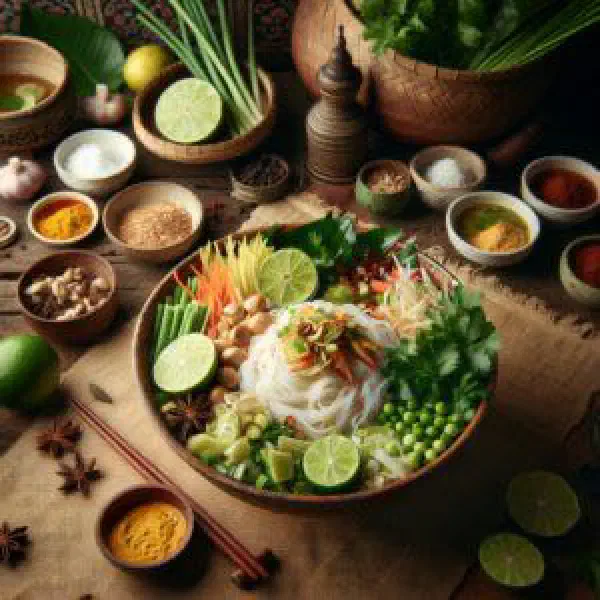
Presentation can add a great deal to a bowl of Bobor. Choose a bowl or plate that shows off the colours of the ingredients. Garnishing with fresh herbs and a squeeze of lime juice gives the dish not only an inviting look but an extra layer of aroma. Small dishes of toppings such as nuts or fried tofu alongside the porridge can also introduce interesting textures and flavours.
A bit of history
Bobor has its origins in Cambodian cooking, where it is often prepared in rural areas as a quick, nourishing meal. Traditionally the dish is adapted with whatever regional ingredients are available, which makes it a treasured part of the culture. There are many variations to be found across different Asian countries, each region adding its own particular touch. This rice porridge brings together not just people but flavours and traditions too, a hallmark of Cambodian cuisine and dishes like Bai Sach Chrouk.
More recipe ideas
Summary: Bobor
Bobor is very good, winning hearts with its creamy texture and its handful of simple ingredients. Whether as a breakfast or a lunch, this dish is easy to prepare and quick to adapt to individual tastes. With its many possible variations and its cultural significance, Bobor brings a little piece of Cambodia to your table and a cosy, comforting eating experience. Enjoy the flavours and share this wonderful dish with family and friends.