National Dish Cambodia: Num Ansom Chek (Recipe)

In this article
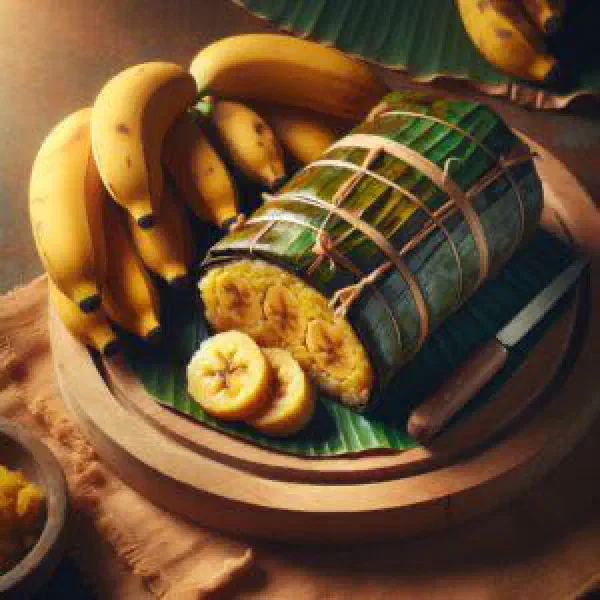
Meet Num Ansom Chek, a treasured Cambodian speciality that turns humble sticky rice into something worth celebrating. Tender chicken and warm spices are tucked inside a soft layer of rice, then wrapped in fragrant banana leaves and gently steamed until every parcel is glossy and aromatic. Traditionally made for festivals and family gatherings, it is as much a ritual as a recipe, and one that fills the kitchen with the unmistakable scents of Khmer cooking.
About Num Ansom Chek
Num Ansom Chek is a traditional Cambodian dish often prepared for special occasions and festivals. These delicious rice parcels capture the taste and texture of Cambodia, offering a truly distinctive culinary experience. They are typically filled with succulent chicken and a range of aromatic spices, which give them a very good flavour. The layer of rice that surrounds the filling is wrapped in banana leaves, which makes for a striking presentation and seals in the aroma during steaming.
Ingredients (serves 1–2)
- 200 g glutinous (sticky) rice
- 150 g chicken breast, diced
- 2 tbsp fish sauce
- 1 tbsp sugar
- 1 tsp turmeric
- 3–4 banana leaves
- Salt and pepper, to taste
Shopping for the ingredients
To make Num Ansom Chek you will need a few special ingredients, most of which are available from Asian grocery shops or online. Glutinous rice is essential and should not be swapped for ordinary rice, as it provides the right consistency for this dish. Banana leaves are just as important, since they are used for steaming and lend the parcels a subtle, distinctive flavour. Make sure your chicken is fresh and of good quality to achieve the very best taste.
Preparing the dish
Before you start cooking Num Ansom Chek, a little groundwork is needed. First, soak the sticky rice in water for at least 4 hours, or overnight, so it softens properly. While the rice soaks, marinate the chicken with fish sauce, sugar, turmeric, salt and pepper. This marinade gives the meat a deep, intense flavour and keeps it juicy as it cooks. A steady, organised approach here echoes the care you would put into a classic Amok.
Step-by-step instructions
- Drain the soaked sticky rice and steam it in a steamer basket for about 20 minutes.
- Meanwhile, prepare the marinated chicken.
- Lay a piece of banana leaf on a clean surface and spread a layer of steamed sticky rice over it.
- Place a small portion of the chicken filling in the centre and cover with another layer of rice.
- Fold the banana leaf around the rice parcel and secure it with kitchen twine.
- Repeat the process with the remaining ingredients.
- Steam the shaped parcels for a further 30 minutes.
- Once steamed, carefully unwrap the parcels and serve.
Gluten-free / lactose-free version
Num Ansom Chek is naturally gluten-free and lactose-free, as its main ingredients are sticky rice and chicken. Do, however, take care to choose a gluten-free fish sauce so the whole dish stays free of gluten. Guests with particular dietary needs will love it. It is also worth checking all your spices and any extra ingredients to make sure there are no hidden sources of gluten or lactose.
Tips for vegans and vegetarians
If you would like to make Num Ansom Chek vegan or vegetarian, simply swap the chicken for mushrooms or mixed vegetables. Marinate the vegetables in the same blend of fish sauce (or a vegan alternative), sugar and turmeric to intensify the flavour. Add extra depth with different spices or herbs to boost the variety and taste. With these changes, the spirit of the dish is preserved while it becomes entirely plant-based.
More tips and tricks
To make sure your Num Ansom Chek turns out perfectly, keep these tips in mind. Ensure the sticky rice is thoroughly soaked, as this leads to a better consistency. During steaming, check the water throughout the process to make sure it does not evaporate completely. Experiment with the amount of filling and rice to find the perfect balance for your taste. Another handy trick is to add a few extra spices for a personal touch.
Adapting the recipe to your taste
Num Ansom Chek makes an excellent base for adjustments to suit personal preference. If you prefer a little heat, add chilli or chilli sauce while marinating the chicken. For a sweeter version, work some exotic fruit or nuts into the filling. Every element of the dish can be tweaked easily to match your own tastes, which makes it wonderfully versatile, much like a well-loved Khmer Curry.
Ingredient substitutions
There are many alternatives worth considering when making Num Ansom Chek. Instead of chicken, you can use tofu or separately steamed vegetables if you prefer a plant-based version. If banana leaves are hard to come by, you can wrap the parcels in aluminium foil instead, though this will slightly alter the aroma. Remember that the essence and tradition of the dish are best preserved by using fresh, authentic ingredients.
Drink pairing ideas
A variety of refreshing drinks pair well with Num Ansom Chek and complement its flavours. A light Asian beer or a fruity cocktail can offer the perfect contrast to the savoury parcels. Alternatively, fresh fruit juices or cooling, jelly-like drinks are a great choice for harmonising the textures. Pick a drink that flatters the local flavours of Cambodia to round off the experience.
Serving and presentation ideas
Presentation plays a key role, especially with a dish as colourful and flavourful as Num Ansom Chek. Serve the rice parcels on a stylish plate and garnish with fresh herbs or edible flowers for an extra splash of colour. A pretty bowl of dipping sauce makes a lovely addition and tempts your guests to dig in. Take care to drape the banana leaves decoratively to emphasise the traditional look.
A bit of history
Num Ansom Chek has a deeply rooted history in Cambodian culture. The tradition of wrapping rice parcels in banana leaves and steaming them dates back to ancient times, and the dish is frequently prepared for special occasions and festivals. It represents Cambodia’s culinary influences and symbolises the gathering of friends and family. It is therefore far more than a treat. It is part of the country’s cultural identity, and a proud staple of Cambodian cuisine.
More recipe ideas
Summary: Num Ansom Chek
In short, Num Ansom Chek is a unique and delicious Cambodian dish that skilfully unites the country’s flavours and traditions in a single rice parcel. With its savoury filling, delicate layer of rice and special preparation in banana leaves, it is a treat for both the palate and the senses. The combination of depth of flavour and cultural significance makes it a must for anyone keen to explore Cambodian cooking. Enjoy the variety, and feel free to shape the recipe entirely to your own liking.