National Dish Cambodia: Num Kom (Recipe)
In this article
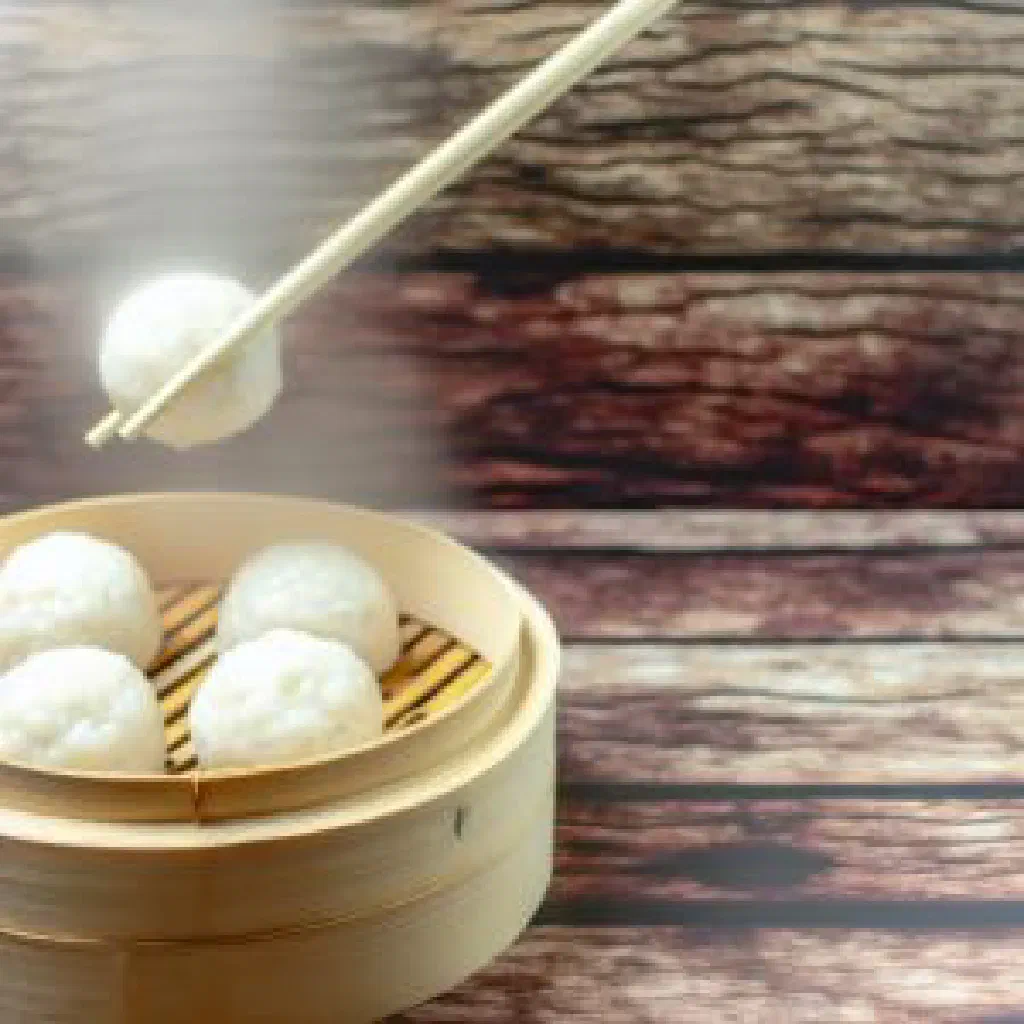
Meet Num Kom, a charming little treat that captures the warmth of Cambodian home cooking. These pyramid-shaped rice dumplings are made from soft, glutinous rice wrapped around a savoury or sweet filling, then gently steamed until tender. Equally at home as an everyday snack or as part of a festive spread, they invite you to explore the flavours and traditions of Cambodia one delicious bite at a time.
About Num Kom
Num Kom, the national dish of Cambodia, is a wonderful example of the country’s rich culinary heritage. These rice dumplings are as pleasing to the eye as they are to the palate. Made from sticky rice and stuffed with a variety of fillings, some of them very exotic, they offer a treat for all the senses. Num Kom invites you to discover the culture of Cambodia in the most delicious way.
Ingredients (serves 1–2)
- 200 g sticky rice
- 100 g pork or a plant-based alternative
- 1 tablespoon onion, finely chopped
- 2 tablespoons sugar
- 1 tablespoon salt
- 1 teaspoon pepper
- A handful of fresh herbs (such as coriander)
- Water, for cooking
Shopping for the ingredients
When shopping for Num Kom, it is important to choose fresh, good-quality produce. Sticky rice, also known as glutinous rice, is easy to find in Asian grocery shops. Look for fresh meat or a plant-based alternative to guarantee the best flavour. The seasonings are essential too, as they bring the dish its authentic Cambodian flair.
Preparing the dish
Preparing Num Kom involves a few simple steps to bring all the flavours together perfectly. First, the sticky rice should be soaked for at least 4 hours, ideally overnight, so it reaches the right consistency. The filling, whether meat-based or a vegan option, should be well seasoned to give it its distinctive character. Gather your family and friends to help with the preparation, because sharing the process makes the cooking even more enjoyable.
Step-by-step instructions
- Drain the soaked rice well and wrap it in a damp cloth.
- Prepare your chosen filling and leave it to cool.
- Take small portions of the rice and flatten them, then place a little filling in the centre.
- Gently fold the edges of the rice around the filling and shape it into a ball.
- Bring a pot of water to the boil and steam the rice dumplings for about 20 minutes.
- Once steamed, carefully lift out the dumplings and let them cool.
- Before serving, scatter over some fresh herbs and enjoy.
Gluten-free / lactose-free version
Num Kom is naturally gluten-free, as sticky rice contains no gluten-based ingredients. For a lactose-free version, simply take care when choosing your fillings and seasonings to avoid any dairy products. Using plant-based fats or stock also helps keep the dish lactose-free. That way, people with food intolerances can enjoy this delicious snack too.
Tips for vegans and vegetarians
Vegans and vegetarians can easily adapt Num Kom by varying the filling. Instead of pork, you might use ingredients such as tofu, vegetables or mushrooms. These alternatives bring variety and their own delicious flavour to the dish. Be sure to adjust the seasonings accordingly to draw out the full aroma, and enjoy this traditional dish in a plant-based form.
More tips and tricks
Cooking Num Kom can be made even easier and tastier with a few extra tips. Top up the water regularly while steaming so the dumplings cook evenly. If you have the patience, you can also prepare them in a bamboo steamer, which gives them a particularly delicate aroma. Experiment with the ratio of filling for a more intense taste, and adjust the seasoning to suit your palate.
Adapting the recipe to your taste
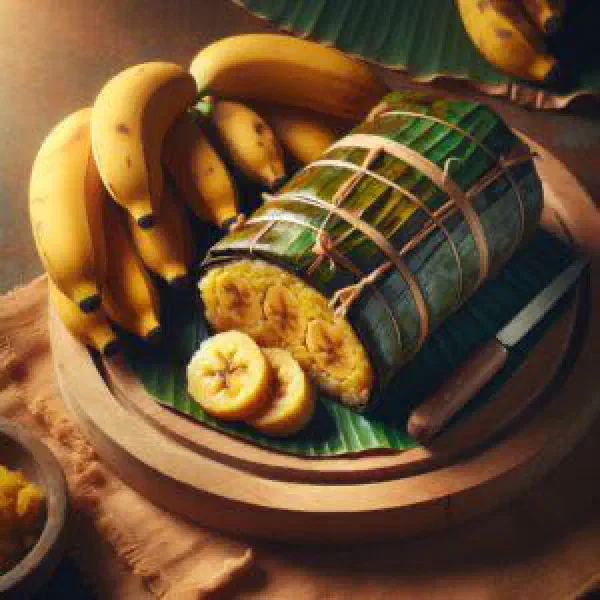
Num Kom is a very flexible dish that is easy to tailor to your own preferences. As well as choosing the filling, you can vary the seasonings or add extra ingredients such as dried fruit or nuts. A little chilli can add a spicy kick, while sweet versions with honey or syrup lend an interesting note. This way, every batch becomes unique and individually suited to each guest. If you enjoy this style of steamed sticky-rice treat, you might also like the banana-filled Ansom Chek.
Ingredient substitutions
If you do not have certain ingredients to hand, there is always an alternative you can use. Instead of pork, try chicken or even fish to create a completely new flavour. For the vegan option, lentils or chickpeas work well and are rich in protein. If sticky rice is hard to find, you could try replacing it with jasmine rice, though the result will be slightly different.
Drink pairing ideas
The right drink can greatly enhance the enjoyment of Num Kom. A cool local beer is a traditional pairing that complements the flavours of the rice dumplings beautifully. For a non-alcoholic option, consider green tea or a fruity lemonade, which harmonises with the sweetness of the dish. Experiment with different drinks to find your ideal combination and round off the tasting experience.
Serving and presentation ideas
Presentation can have a big impact on the overall Num Kom experience. Serve the dumplings on an attractive plate and decorate them with fresh herbs or edible flowers. You could also offer small bowls of different dips, such as soy sauce or chilli sauce, to add variety. This makes the food more appealing and encourages interaction while eating together. Num Kom sits comfortably alongside other favourites of Cambodian cuisine, from fresh salads to hearty curries.
A bit of history
Num Kom has a long history that is closely woven into the traditions and culture of Cambodia. These rice dumplings have been made for centuries and are part of many festivals and celebrations. They symbolise togetherness and community, which is why whole families often gather to prepare them. Enjoying Num Kom brings people together and makes it a social catalyst.
More recipe ideas
- Bok Lahong – a refreshing green papaya salad
- Amok – a classic Cambodian curry
- Bai Sach Chrouk – marinated pork with rice
- Lok Lak – stir-fried beef with a lime sauce
- Kuy Teav – a traditional rice noodle soup
Summary: Num Kom
Num Kom is more than just a dish; it is an experience that embodies the culture of Cambodia. These delicious rice dumplings are versatile, adaptable and made for sharing. Whether sweet or savoury, they have something to offer every palate. May you discover the tradition and flavours of this unique treat and go on to create a recipe of your very own.