National Dish Cameroon: Bobolo (Recipe)
In this article
Meet Bobolo, one of Cameroon’s most enduring kitchen staples, a firm, gently tangy stick of steamed cassava that has fed families across the country for generations. Its character comes from a slow fermentation that transforms plain root vegetable into something springy, savoury and quietly complex. Served alongside a rich sauce or a bowl of stew, it is the sort of humble food that turns an everyday meal into a proper occasion.
About Bobolo
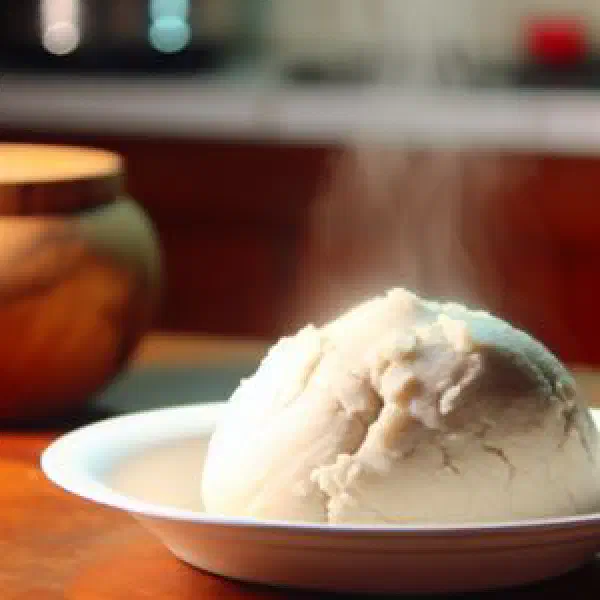
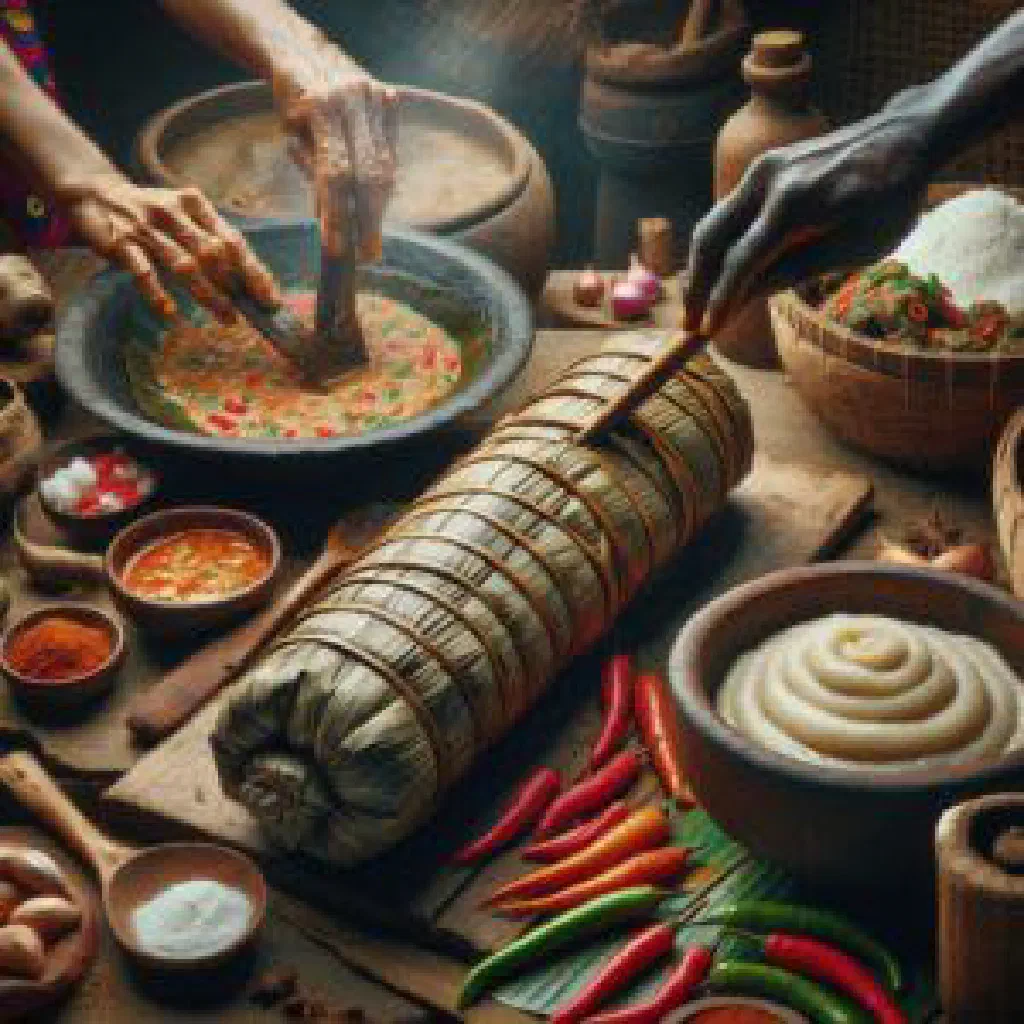
Bobolo is a traditional dish from Cameroon made from fermented cassava. That particular method of preparation gives the dish its unmistakable flavour and its intriguing, dense texture. You will find bobolo throughout many parts of Cameroon, where it is most often served as a staple accompaniment to all manner of sauces. It is nourishing everyday food and a symbol of the country’s rich culture and long-standing traditions.
Ingredients (serves 1–2)
- 500 g cassava
- Water, for cooking
- Salt to taste
- Optional spices, to your liking
Shopping for the ingredients
When shopping for bobolo, it is well worth choosing good-quality cassava. The roots should be fresh and free of blemishes or discolouration. Most African or Asian grocers stock cassava, sometimes in frozen form. Check that your spices and any other ingredients are fresh too, so you get the very best flavour from the finished dish.
Preparing the dish
Before you start making bobolo, peel the cassava and cut it into small pieces. The pieces then need washing thoroughly to remove any dirt or residue. Fermenting the cassava is the decisive stage of the whole process, since it shapes both the characteristic taste and the texture. Make sure you grind or grate the cassava well before cooking, as this makes the fermentation far easier.
Step-by-step instructions
- Peel the cassava, cut it into pieces and wash it thoroughly.
- Work the pieces into a smooth paste using a blender or a grater.
- Wrap the paste in a clean cloth and leave it to ferment somewhere warm for 24–48 hours.
- Transfer the fermented paste into a mould and steam until firm, roughly 30–40 minutes.
- Turn the bobolo out of the mould once cooked and leave it to cool.
- Serve as a side dish with your favourite sauce or alongside other dishes.
Gluten-free / lactose-free version
Bobolo is naturally gluten-free and lactose-free, as cassava is the only main ingredient. That makes it an excellent choice for anyone with particular dietary requirements or allergies. Do check that any accompaniments or sauces you serve with it are equally free of gluten and lactose, so the integrity of the meal is preserved, a mild Okra Soup is a safe and delicious partner.
Tips for vegans and vegetarians
For vegans and vegetarians, bobolo is a wonderful option, since the dish contains no animal products whatsoever. To make the meal more interesting, add plant-based sauces or vegetable sides. Experiment with ingredients such as tomatoes, onions and spices to create new flavour combinations. This lets you enjoy a real variety of versions that suit every kind of diet, from strictly vegan to simply vegetable-forward.
More tips and tricks
There are a few useful pointers that will help you get the best possible result from bobolo. Take care to ferment the cassava properly, as this is what deepens and intensifies the flavour. When steaming, leave enough space between the individual pieces so they cook through evenly. Finally, experiment with different spices until you find the exact balance that suits your own palate.
Adapting the recipe to your taste
If you would like to tailor bobolo to your own preferences, you can add or swap out various ingredients. Using ube or another root vegetable, for example, gives the dish a different texture and flavour. Stirring herbs or spices into the paste during fermentation can also introduce interesting extra layers of taste. The sheer range of possible variations makes this dish both adaptable and genuinely exciting to cook.
Ingredient substitutions
In many cases certain ingredients in bobolo can be replaced without any loss of flavour. If fresh cassava is unavailable, frozen or pre-cooked cassava works perfectly well, the same approach that makes Miondo so straightforward to prepare at home. For the sauces, you might reach for vegetable stock cubes or flavoured oils instead. This flexibility means you can still put a delicious dish on the table even without every specific ingredient to hand.
Drink pairing ideas
A number of drinks go beautifully with bobolo and bring out the flavour of the dish. Various African malt beers or homemade fruit juices are an excellent match, as is the traditional palm wine served as Matango Drink. Classic peppermint tea and hibiscus tea are refreshing options that harmonise nicely too. These drinks help to show off the aromatic range of Cameroonian cooking.
Serving and presentation ideas
Presentation matters with bobolo, not least because it whets the appetite. Serve the dish on a traditional African platter, garnished with fresh herbs or mixed vegetables. Colourful sauces provide a striking visual contrast and make the plate look considerably livelier, a spoonful of Ndole alongside does exactly that. An attractive arrangement makes the whole culinary experience that much more enjoyable.
A bit of history
The origins of bobolo run deep in Cameroonian history. Cassava has long been a staple food across many African cultures, and fermentation is an ancient method of both preserving food and developing its flavour. Today bobolo is eaten as everyday fare and served at festivals and celebrations. The dish therefore carries real cultural as well as culinary weight, reflecting the identity and heritage that define Cameroonian cuisine.
More recipe ideas
Summary: Bobolo
In short, bobolo is a tasty and remarkably versatile dish of Cameroonian cuisine, capable of winning over any food lover. It brings together the tradition and richness of West African flavours in one thoroughly satisfying mouthful. With its many variations and preparation methods, it is easy to adjust to personal taste. Enjoy your bobolo and dive into the fascinating world of Cameroonian cooking.