National Dish Cameroon: Bongo Chobi (Recipe)
In this article
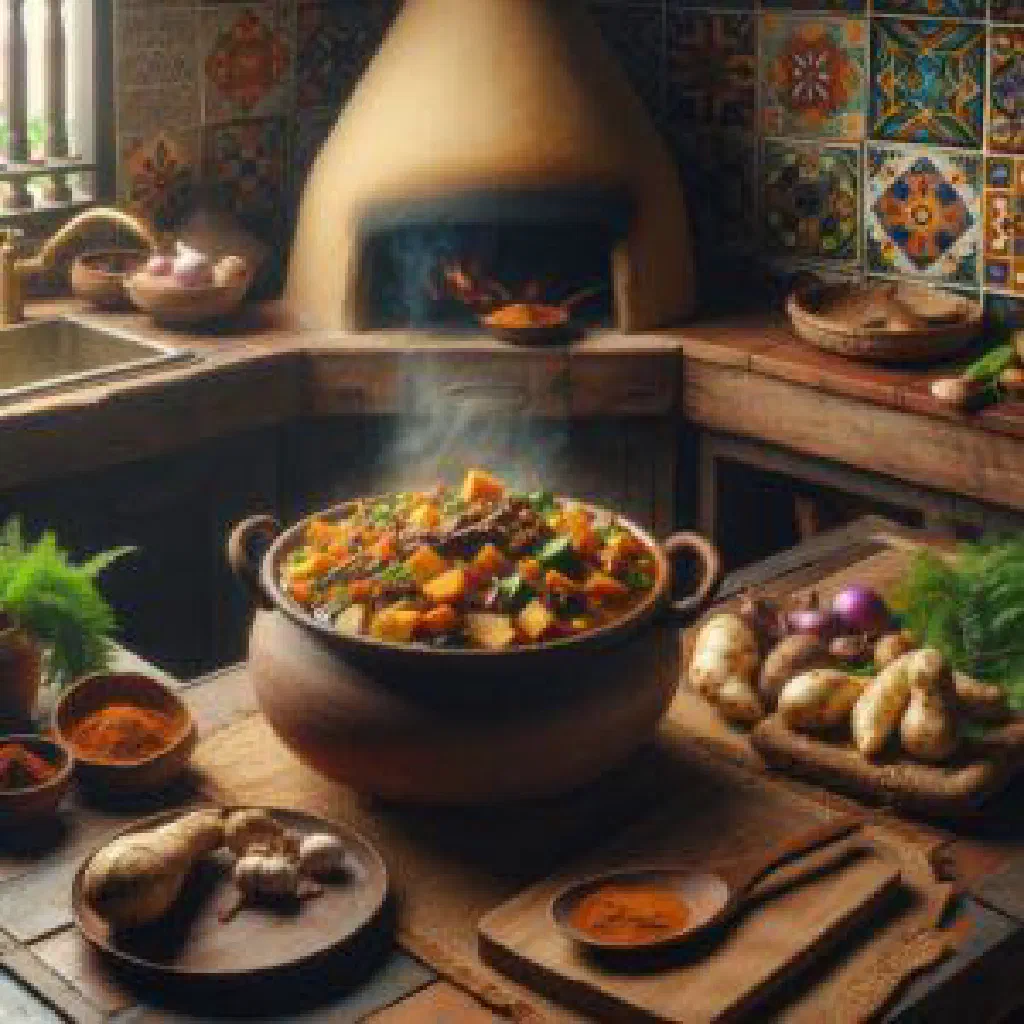
Meet Bongo Chobi, the celebrated national dish of Cameroon and one of West Africa’s most striking fish preparations. Fresh river fish simmers in a deeply aromatic sauce built on ripe tomatoes, onions and a dark, fruity plum sauce, then finishes under a scattering of bright herbs. It is a dish made for occasions, yet simple enough for a quiet evening at home, and it carries the warmth of Cameroonian hospitality in every spoonful.
About Bongo Chobi
The national dish of Cameroon, Bongo Chobi, is a distinctive fish speciality that has found admirers in kitchens across the African continent. This aromatic delicacy is traditionally made with fresh fish and served to mark special occasions. The combination of plum sauce, tomatoes and an assortment of fresh herbs creates a flavour that is genuinely hard to compare with anything else. Bongo Chobi never fails to impress.
Ingredients (serves 1–2)
- 2 fresh fish (tilapia or catfish, for example)
- 2–3 ripe tomatoes
- 1 onion
- 2–3 tablespoons plum sauce
- Fresh herbs (coriander or parsley)
- Spices to taste (salt, pepper, chilli)
- 2 tablespoons vegetable oil
Shopping for the ingredients
To make an authentic Bongo Chobi, choosing the right ingredients matters enormously. The fish should be as fresh and as good in quality as you can find, because it is the heart of the whole dish. Tomatoes need to be ripe and fragrant so they can lend the sauce their natural sweetness. Visit a local market or a specialist African grocer to track down the best of everything, the same shops that will supply you for a Grilled Tilapia.
Preparing the dish
Preparing Bongo Chobi takes a little time, but the work itself is straightforward and well worth the effort. Begin by washing the fish and the tomatoes thoroughly. Then finely chop the onion and roughly cut the herbs. These small steps matter more than they look: they release the freshest aromas into the finished dish.
Step-by-step instructions
- Clean the fish thoroughly and remove the scales.
- Fry the onion in a pan with the vegetable oil until translucent.
- Add the washed tomatoes and stir everything together well.
- Stir in the plum sauce and season with spices to taste.
- Lay the fish in the pan and cook gently on each side until done.
- Garnish with fresh herbs and serve.
Gluten-free / lactose-free version
Bongo Chobi is naturally gluten-free and lactose-free, which makes it an excellent choice for anyone with food intolerances. Every ingredient used is free from gluten and no dairy is required at any stage, so you can enjoy the dish without a second thought. Do check the label when buying plum sauce, though, as some brands contain hidden gluten-based thickeners.
Tips for vegans and vegetarians
For vegans and vegetarians, Bongo Chobi adapts easily: simply replace the fish with plant-based proteins such as tofu or tempeh. These alternatives soak up the spices beautifully and give you a genuinely delicious result. You can also swap the plum sauce for soy sauce or any vegan sauce you prefer. With those two changes the traditional recipe becomes a version that suits your diet perfectly, much like the vegetable-forward Njama Njama.
More tips and tricks
A handful of simple tips will make cooking Bongo Chobi easier still. Make sure the fish is well seasoned before it goes into the pan so the flavours have time to work their way through. A good marinade helps intensify the taste and improves the texture too. Experiment with the spices and herbs until the dish tastes exactly the way you want it to.
Adapting the recipe to your taste
Bongo Chobi is easy to tailor to your own preferences. Add more or fewer spices to control the heat, for example, or dial the chilli right back for a gentler version. The choice of fish can vary as well. Try different varieties until you find the one you like best. Extra vegetables are always welcome too, bringing more colour and texture to the pan.
Ingredient substitutions
If certain ingredients prove hard to find, there are several alternatives worth considering. Tinned tomatoes stand in perfectly well when fresh ripe ones are not available. In place of plum sauce, a mixture of honey and soy sauce delivers a similar sweet-and-sour note.
Drink pairing ideas
An aromatic dish like Bongo Chobi goes especially well with refreshing drinks. A cold beer or a fruity cocktail complements the flavours of the food beautifully. Lightly sparkling water with lemon is another excellent choice, cleansing the palate between mouthfuls. Alternatively, try a traditional Folere Juice and think about which flavours harmonise best with the spices in the sauce.
Serving and presentation ideas
To present Bongo Chobi attractively, pay attention to the garnish. Fresh herbs such as coriander or parsley give the dish a lively lift. Serve it on a handsome plate and add a side of rice or Fufu to round out the meal. Make sure the colours of the ingredients sit harmoniously together on the plate. We eat with our eyes first, after all.
A bit of history
Bongo Chobi has a history rooted deep in Cameroonian culture. It is not merely a dish but a reflection of the country’s traditions and culinary influences. Cooking and sharing Bongo Chobi forms part of many festive occasions and strengthens the sense of community around the table. That tradition shows just how central food is to Cameroonian cuisine and how effectively it brings people together.
More recipe ideas
Summary: Bongo Chobi
Bongo Chobi is far more than a simple dish; it is a festive experience that embodies the culinary traditions of Cameroon. With fresh ingredients and a wealth of aromas, it brings the taste of Africa straight into your kitchen. The preparation is uncomplicated and adapts readily to personal tastes and dietary needs. Enjoy this delicious dish and experience a little of Cameroonian culture with every serving you make.