National Dish Cameroon: Chicken Pepper Sauce (Recipe)
In this article
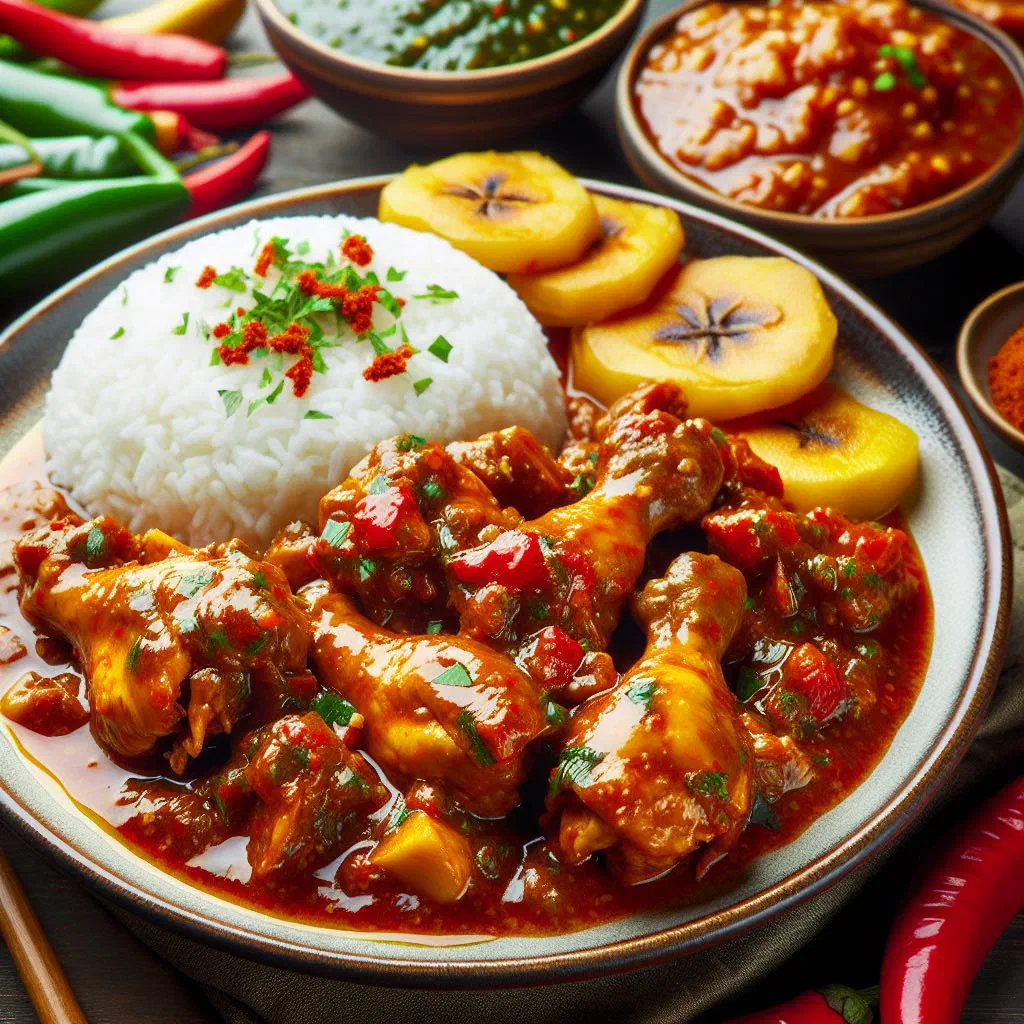
Meet Chicken Pepper Sauce, one of Cameroon’s most beloved plates and a brilliant introduction to West African home cooking. Tender pieces of chicken sit in a fiery, fragrant sauce built from sweet peppers, onions, garlic and as much chilli as you dare. It is generous, warming food that goes just as happily with a mound of rice as it does with fufu or sweet fried plantains. Set aside an evening, turn up the heat and let the flavours of Cameroon fill your kitchen.
About Chicken Pepper Sauce
Chicken Pepper Sauce is a delicious national dish of Cameroon, a harmonious meeting of tender chicken and a fiery sauce made with fresh peppers, spices and herbs. The aromas are unmistakable and bring African cooking vividly to life. The dish is wonderfully flexible: it pairs beautifully with rice, with Fufu or with fried plantains. Spend an evening at the stove and discover the flavours Cameroon has to offer.
Ingredients (serves 1–2)
- 400 g chicken breast fillet
- 2 large peppers (one red, one green)
- 1 onion
- 2–3 cloves of garlic
- 1–2 chillies (depending on how hot you like it)
- 2 tablespoons vegetable oil
- 1 teaspoon paprika
- 1 teaspoon salt
- 1 teaspoon pepper
- Fresh herbs (parsley or coriander, for example)
Shopping for the ingredients
For a really good chicken pepper sauce it is worth buying fresh ingredients. Visit your local market or supermarket and pick out good-quality chicken breast. Fresh peppers are the key to that unmistakable flavour, so check that they feel firm and crisp. Keep the spices and herbs as natural as you can, the fewer pre-mixed blends you use, the more clearly the individual aromas will come through.
Preparing the dish
Before you start cooking, it pays to have everything properly prepared. Cut the chicken into small cubes and season it with salt and pepper. The peppers and onion should also be chopped small, while the garlic is finely minced. If you want to use chillies, deseed them to taste and chop them finely as well. This preparation stage is an essential step towards creating the sauce.
Step-by-step instructions
- Heat the oil in a large frying pan over a medium heat.
- Add the onions and garlic and fry until softened.
- Add the chicken to the pan and fry until cooked through.
- Stir in the chopped peppers and chillies and fry for a few minutes.
- Season with paprika, salt and pepper and mix everything together well.
- Cook for a further 5–10 minutes, until the peppers are soft and the aromas have developed.
- Serve the chicken pepper sauce hot, alongside rice or another side of your choice.
Gluten-free / lactose-free version
Chicken pepper sauce is naturally gluten-free and lactose-free, which makes it an excellent choice for anyone with an intolerance. Just check that none of the ingredients you use hide a source of gluten or lactose. If you want to add extra sauce or a side, chicken stock works well and is likewise gluten-free. You can enjoy this dish without a second thought.
Tips for vegans and vegetarians
Vegans and vegetarians can adapt chicken pepper sauce easily by swapping the chicken for a plant-based source of protein. Tofu or seitan are excellent alternatives that soak up the flavours of the sauce beautifully, see also our simple Tofu preparation. Chickpeas or lentils make a hearty, nourishing base too. That way everyone can enjoy this dish in full.
More tips and tricks
A little curiosity goes a long way towards making chicken pepper sauce your own. Try adding other spices such as cumin or turmeric to shift the flavour. Adjust the number of chillies depending on how hot you want the finished dish. A squeeze of lemon at the end brings extra freshness to the sauce and lifts all the aromas.
Adapting the recipe to your taste
The recipe adapts in all sorts of directions. Feel free to add different vegetables so you can work in your favourite ingredients. Prefer something fruitier? Small pieces of pineapple or mango do the job nicely. Adjust the spicing to your own palate. That is often what makes cooking more interesting and more personal.
Ingredient substitutions
If you are missing an ingredient, there is almost always a good alternative. Instead of fresh peppers you can use pickled ones, which give a different but genuinely interesting result. In place of the chicken, many cooks turn to jackfruit or another meat-free substitute, much as they would in a Groundnut Soup. Swaps like these keep cooking flexible and mean you can always find a way to make the dish.
Drink pairing ideas
Choosing the right drink rounds off the experience. A well-chilled African beer brings out the flavours nicely. A natural citrus lemonade is another good match, a Sweet Lime Drink complements the heat particularly well. For wine drinkers, a light, fruity white is an excellent choice.
Serving and presentation ideas
Presentation matters as much as flavour. Serve the chicken pepper sauce in colourful bowls and garnish with fresh herbs for visual appeal. Add a few pieces of roasted vegetable or some sliced avocado to please the eye. A stylish presentation lifts the whole meal and appeals to your guests.
A bit of history
Chicken pepper sauce is a dish rooted deeply in Cameroonian culture. Traditionally it is served at celebrations and special occasions, which reinforces its festive character. The use of fresh, local ingredients reflects the culinary variety and the flavours that shape the country’s different regions, a hallmark of Cameroonian cuisine. Many families pass their own versions down through the generations, which gives the dish a personal touch.
More recipe ideas
Summary: Chicken Pepper Sauce
Chicken pepper sauce is more than just a dish. It is an exciting culinary experience that brings the flavours of Cameroon closer. The combination of juicy chicken and a boldly spiced sauce will please your palate and spark your creativity in the kitchen. This dish has every chance of enchanting the palate and pleasing your guests. Get ready for a feast and enjoy the journey into African cooking.