National Dish Cameroon: Corn Fufu (Recipe)
In this article
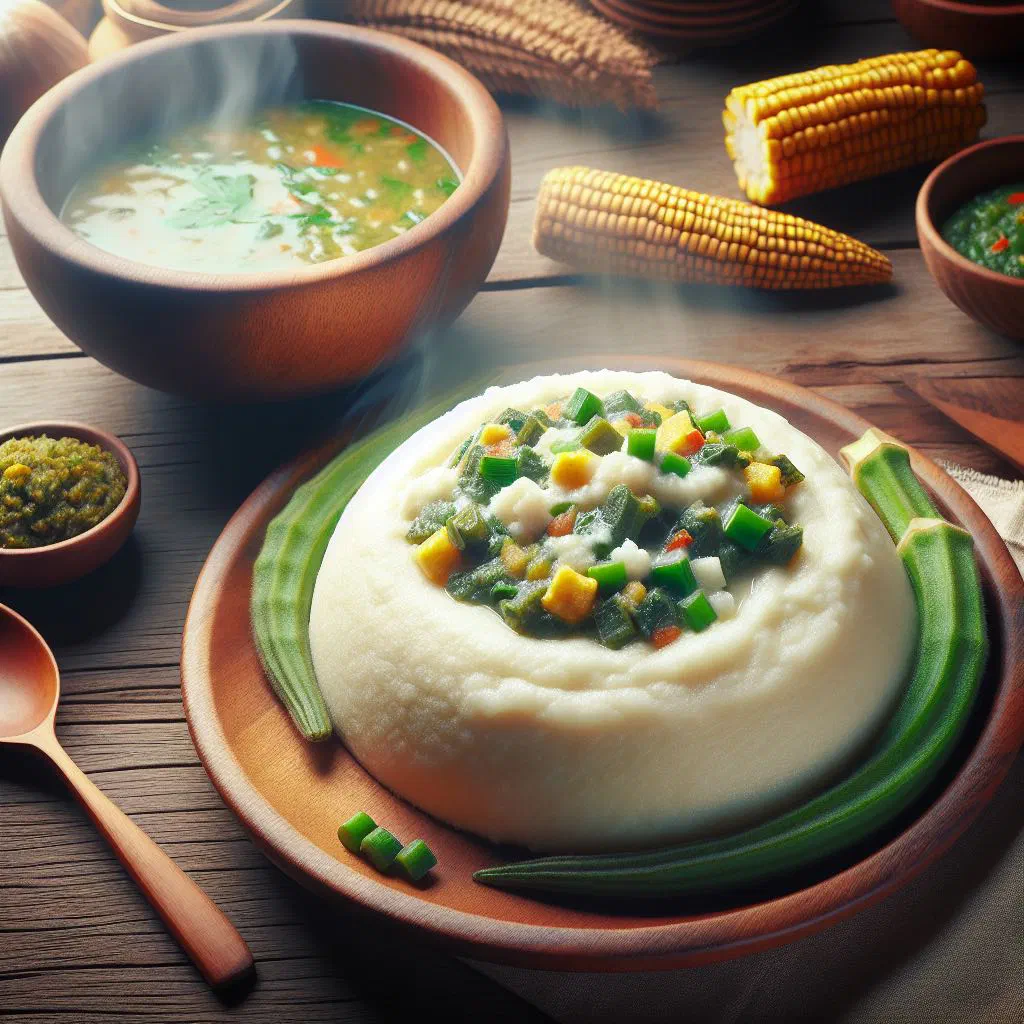
Meet Corn Fufu, the soft, comforting cornmeal staple that sits at the heart of the Cameroonian table. Made from nothing more than finely milled maize, water and a pinch of salt, it turns into a smooth, pliable mound in a matter of minutes, the perfect partner for a rich sauce or a bubbling stew. Simple, filling and endlessly versatile, it is one of the easiest ways to bring genuine West African flavour into your own kitchen.
About Corn Fufu
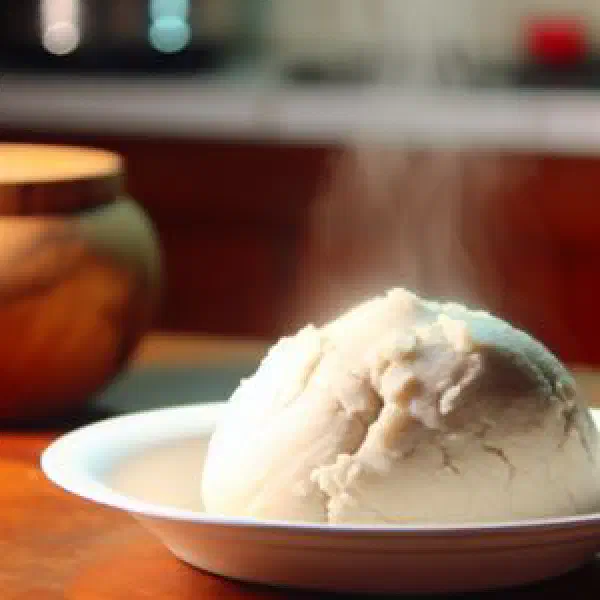
Corn Fufu is a traditional dish from Cameroon made from finely ground maize. It has a wonderfully creamy consistency and a subtle, slightly sweet flavour that makes it a natural match for all manner of dishes. It is most often served as an accompaniment to sauces and stews, which means it shines equally well as a side or as the centrepiece of a meal. Treat yourself to this straightforward recipe and bring the tastes and aromas of Africa to your table.
Ingredients (serves 1–2)
- 1 cup fine cornmeal
- 2 cups water
- A pinch of salt
- Optional: 1 tablespoon oil, for extra creaminess
Shopping for the ingredients
The ingredients for corn fufu are refreshingly easy to track down. Fine cornmeal is stocked by many supermarkets as well as African and Asian grocers. Look for a flour that has been milled properly and finely, as this is what gives the dish its smooth texture. If you want the gentlest, most authentic result, choose a good-quality, unprocessed cornmeal rather than an instant blend.
Preparing the dish
Before you start cooking, have every ingredient measured out and within reach. The water should be brought to a proper boil before it meets the flour. Be ready for plenty of stirring, too. This is what coaxes the mixture into its characteristic texture. Good preparation keeps the whole process smooth and delivers a much better result, just as it does with a hearty Ndole.
Step-by-step instructions
- Bring the water to the boil in a saucepan.
- In a separate bowl, mix the fine cornmeal with a pinch of salt.
- Once the water is boiling, take the pan off the heat and add the flour while stirring constantly.
- Keep stirring until the mixture becomes thick and sticky.
- If you like, stir in a tablespoon of oil to make the fufu even creamier.
- Shape the corn fufu into small mounds and serve straight away.
Gluten-free / lactose-free version
There is good news for anyone with food intolerances: corn fufu is naturally gluten-free and lactose-free, which makes it a superb fit for a wide range of diets. Do check the packaging of your cornmeal to be sure it has not been milled alongside wheat. If you add oil or any other extras, plant-based options keep the dish entirely free of dairy.
Tips for vegans and vegetarians
Corn fufu is plant-based from the outset, so it slots straight into a vegan or vegetarian menu. For extra depth, cook it with vegetable stock instead of plain water. The main thing to watch is what you serve alongside it, choose sauces and stews without animal products, such as a plant-based Okra Soup, and the meal stays flavourful as well as fully plant-based.
More tips and tricks
A few small tricks make a noticeable difference. Use a whisk to work the flour into the water thoroughly and you will avoid lumps altogether. Let the fufu rest briefly after cooking so it can settle into the right consistency. It is also worth experimenting with different seasonings to round out the flavour, a little creativity goes a long way with a dish this simple.
Adapting the recipe to your taste
Corn fufu is remarkably adaptable, so you can shape it entirely around your own preferences. Stir in diced vegetables or fresh herbs for extra flavour and nutrients. If you like heat, a pinch of chilli powder or chilli flakes works beautifully. You can also adjust the texture simply by using more or less water, depending on whether you prefer your fufu soft and loose or firm enough to pinch.
Ingredient substitutions
If cornmeal is nowhere to be found, other flours step in happily. Rice flour and sorghum flour are both excellent choices that produce a similar texture while keeping the dish gluten-free and nourishing. Blending two or three flours is another option, adding interest to the flavour as well as improving the nutritional profile. Cassava-based staples such as Garri can also fill the same role at the table.
Drink pairing ideas
Several drinks complement corn fufu nicely. A refreshing hibiscus tea is an outstanding choice, its tartness lifting the mild sweetness of the maize. Sparkling water or a light beer both work well too, creating an easy balance with a rich sauce. For something more local, a chilled Folere Juice makes a lovely partner to the meal.
Serving and presentation ideas
Presentation matters more than you might expect with a dish this understated. Serve the fufu in an attractive bowl and garnish with fresh herbs or edible flowers for an elegant finish. Arrange the sauces and stews in small dishes around it to create a generous, buffet-like spread. A thoughtful plate arrangement turns corn fufu into the star attraction rather than a quiet side.
A bit of history
Corn fufu has deep roots in the history and culture of Cameroon and has been prepared there for generations. It is a symbol of community, regularly appearing at festive occasions and family gatherings. The pounding and stirring is often a shared task, which is part of the pleasure. The dish therefore stands not only for good eating but for the traditions and values of an entire culture, one of the reasons Cameroonian cuisine feels so welcoming.
More recipe ideas
Summary: Corn Fufu
Corn fufu is a fine example of the culinary variety of Cameroon and brings authentic African flavours into your kitchen. Its creamy consistency and gentle sweetness make it something rather special. With careful preparation and a few adjustable options, you can tailor it precisely to your own taste. Consider this recipe an invitation to discover a piece of Cameroon for yourself.