National Dish Cameroon: Ekwang with Fresh Fish (Recipe)
In this article
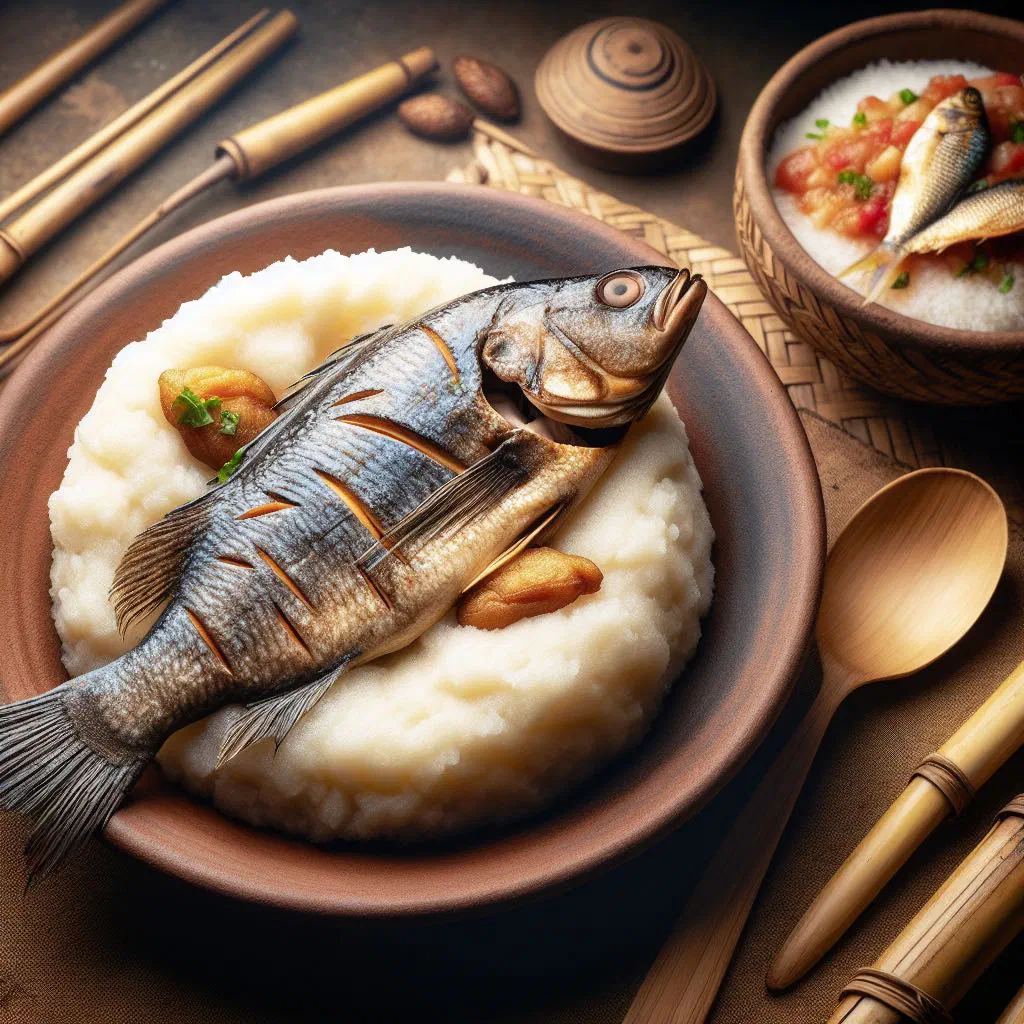
Meet Ekwang with fresh fish, one of the great treasures of Cameroonian cooking. Grated cassava is folded together with greens, wrapped into neat little parcels and gently steamed until tender, then served alongside fish fried with onion, garlic and chilli. The result is earthy, comforting and full of warmth, a dish that brings the flavours of southern Cameroon straight to your kitchen table.
About Ekwang with Fresh Fish
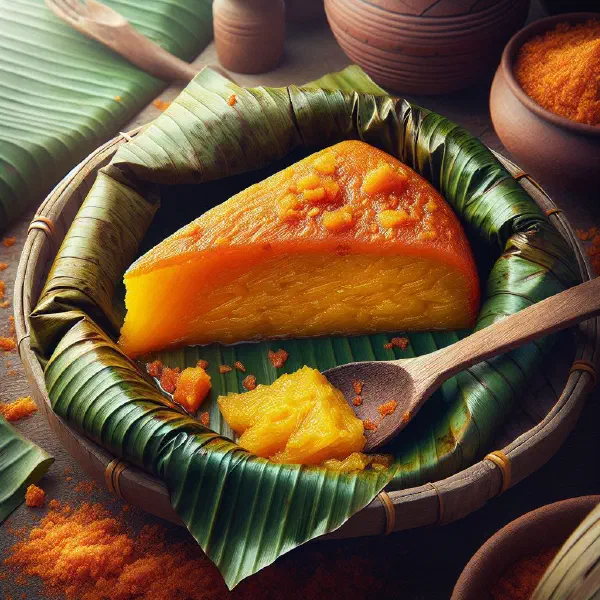
Ekwang is the national dish of Cameroon and is especially treasured in the southern regions of the country. Its main components are cassava, spinach and aromatic spices, which together create a flavour combination you will not find anywhere else. Ekwang is usually served with fresh fish, lending the dish an extra note of freshness and richness. Particularly striking is the method of preparation: the cassava mixture is wrapped in leaves, which makes the dish delicious and beautiful to look at.
Ingredients (serves 1–2)
- 250 g cassava (manioc)
- 50 g fresh spinach
- 1 small onion
- 2–3 cloves of garlic
- 1–2 fresh chillies (depending on how hot you like it)
- 200 g fresh fish (tilapia or catfish, for example)
- Salt and pepper to taste
- 1 tablespoon palm oil or vegetable oil
- Spices of your choice (nutmeg or pepper, for instance)
Shopping for the ingredients
When shopping for Ekwang, it pays to pay close attention to freshness. The cassava should be firm and free of red spots, as these are a sign that it is past its best. Spinach can be bought either fresh or frozen, though fresh leaves give far more flavour. The fish should likewise be fresh and of good quality to guarantee the best possible result, the same rule that makes a plate of Grilled Tilapia sing.
Preparing the dish
Preparing Ekwang takes a little time, but nothing about it is difficult. Start by peeling the cassava and cutting it into small pieces before grating it finely. Next, wash the spinach and chop it roughly. It is worth preparing everything else, the onion and the garlic in particular, before you begin cooking, as this makes the process smoother and much quicker.
Step-by-step instructions
- Tip the grated cassava into a bowl and mix thoroughly with salt and your chosen spices.
- Fold the chopped spinach through the cassava mixture.
- Take small portions of the mixture and wrap each one in a prepared leaf.
- Bring a pan of water to the boil, add the wrapped parcels and cook for about 30 minutes.
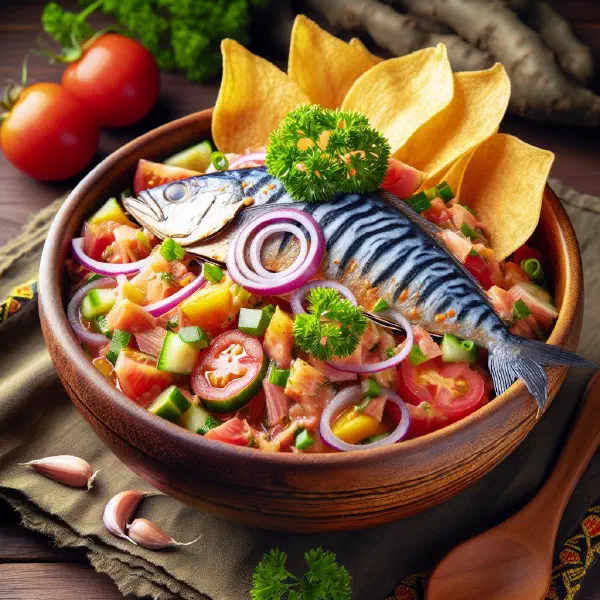
- Meanwhile, fry the fish in a pan with the oil. Add the onion and garlic and cook briefly alongside.
- Lift the Ekwang parcels out of the water, arrange them on a plate and serve with the fish.
Gluten-free / lactose-free version
Ekwang is naturally gluten-free and lactose-free, which makes it an excellent choice for anyone with an intolerance. Do check, however, that every ingredient you use is also free from gluten and lactose. Pay particular attention to the spices and the oil, as these can occasionally hide traces of gluten. Otherwise the dish slots effortlessly into a gluten-free and lactose-free diet.
Tips for vegans and vegetarians
For vegans and vegetarians, the fish can easily be swapped for tofu or fried aubergine, both of which carry the traditional flavours well. The spinach naturally remains a central part of the dish, and palm oil is perfectly suited to a plant-based version too. You can also dial the spicing up for a more intense flavour. Without the fish, Ekwang is still a delicious and genuinely nourishing meal.
More tips and tricks
A few small pointers will get the most out of your Ekwang. Take care not to overfill the parcels, as the mixture swells noticeably during steaming. Try different spice combinations to create more variety according to your own taste. If you would like the dish hotter, simply add extra chillies. Fresh herbs such as coriander or parsley also make a lovely garnish.
Adapting the recipe to your taste
Ekwang is wonderfully versatile and easy to adjust to personal preference. You might add different vegetables, for instance, or vary the spice mix. If you want to change the texture, use more or less water when preparing the cassava. This gives you the freedom to tailor the dish to the tastes of your guests, creamier or lighter, exactly as you please.
Ingredient substitutions
If you have trouble tracking down certain ingredients, there are plenty of alternatives that work beautifully in Ekwang. Instead of cassava you can use sweet potatoes, which offer a similar texture. Fresh spinach can be replaced with other leafy greens such as chard or kale, much as in a bowl of Njama Njama. The fish is flexible too: prawns, chicken or even vegetarian options such as seitan all work well.
Drink pairing ideas
To round off the Ekwang experience, a few well-chosen drinks make all the difference. A cool beer or a fruity red wine goes splendidly with the savoury flavours of the dish. For an alcohol-free alternative, fresh fruit juices or homemade lemonade work beautifully, a glass of Folere Juice is a fine local choice. These drinks complement the flavour profile of Ekwang and make an evening together feel that bit more special.
Serving and presentation ideas
An attractive presentation can lift the enjoyment of your Ekwang even further. Serve it on a handsome plate and garnish with fresh herbs. Small bowls of dips or sauces can be arranged appealingly around the dish. Think about the colours: the green of the spinach against the pale fish and the various sauces creates an inviting picture that will make your guests’ mouths water.
A bit of history
Ekwang has a history rooted deep in the cultural traditions of Cameroon. It was originally prepared by the Beti and Bantu peoples and was a favourite at celebrations and special occasions. It reflects the agricultural way of life of communities who grew cassava as a staple crop. Over time Ekwang has taken on countless variations, spreading through different regions of the country and beyond as one of the cornerstones of Cameroonian cuisine.
More recipe ideas
Summary: Ekwang with Fresh Fish
In short, Ekwang is a hearty, nourishing dish that embodies the rich culinary tradition of Cameroon. It brings together cassava, spinach and spices with fresh fish to create a flavour experience that is both delicious and endlessly varied. Ekwang puts a piece of African culture directly on your table. Enjoy it with friends and family for a meal you will remember.