National Dish Cameroon: Fufu (Recipe)
In this article
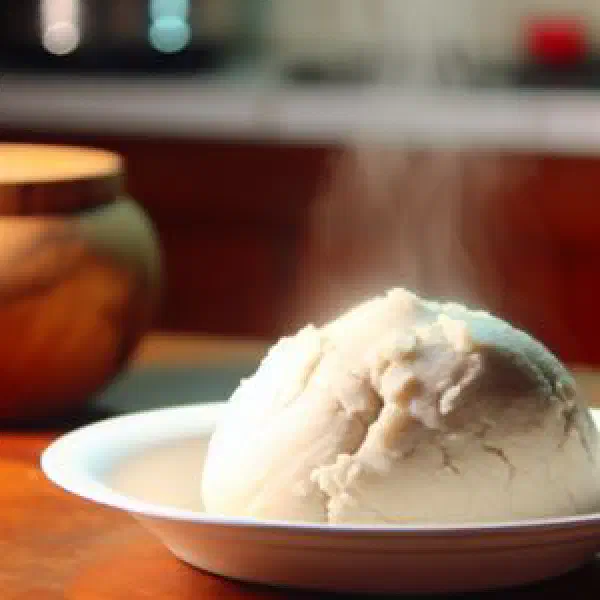
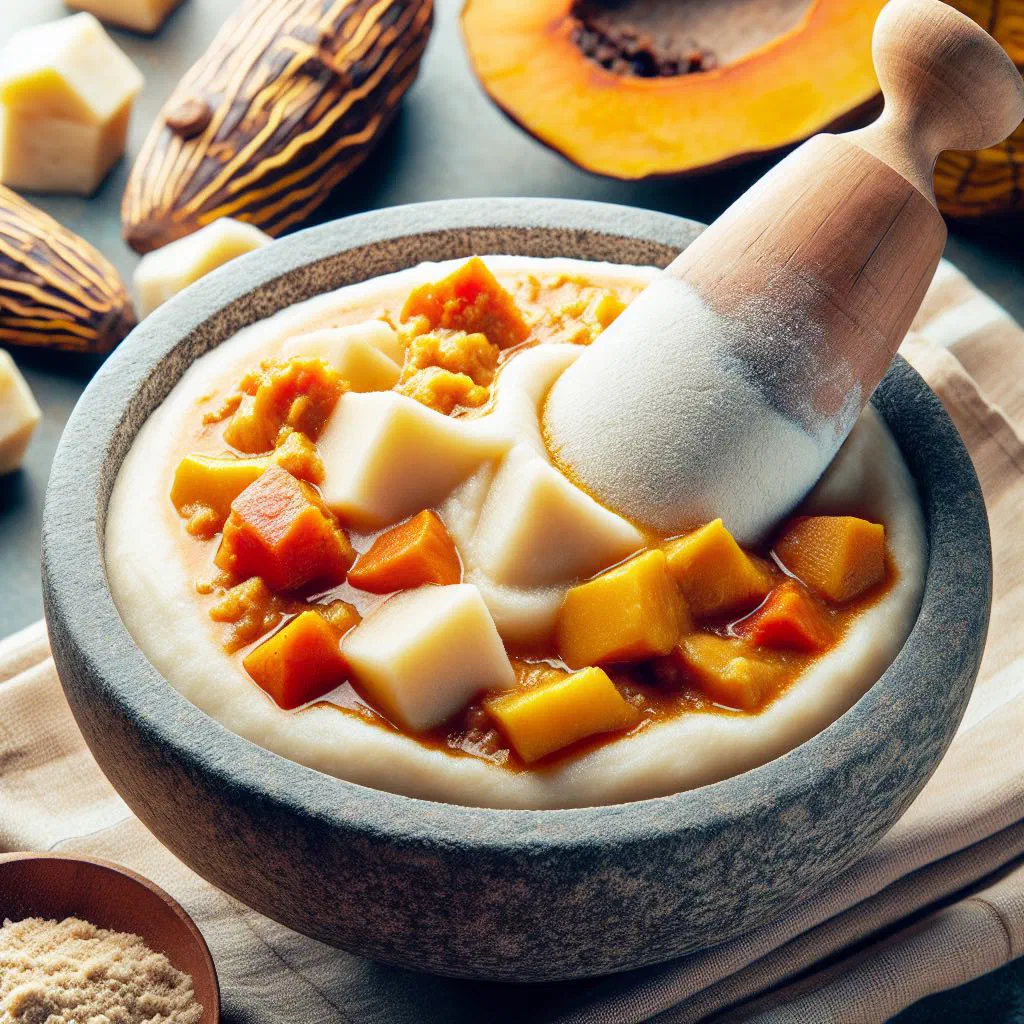
Discover Fufu, the soft, springy staple that sits at the very heart of Cameroonian cooking. Made from nothing more than cassava or yam, water and a pinch of salt, it is rolled into smooth pillowy balls and used to scoop up rich, aromatic sauces. Simple, filling and endlessly satisfying, fufu brings the warmth and generosity of West African hospitality straight to your own table.
About Fufu
Fufu is one of the national dishes of Cameroon and plays a central role in the country’s traditional cooking. This much-loved accompaniment is made from cassava or yam and has, over the years, become a staple that is treasured not only in Cameroon but right across West and Central Africa. Preparing fufu does take a little practice, but the result is well worth the effort. Its smooth, elastic texture makes it the perfect partner for a huge range of dishes, from peanut-thickened stews to fiery pepper broths.
Ingredients (serves 1–2)
- 500 g cassava or yam
- Water (as needed)
- A pinch of salt
Shopping for the ingredients
When sourcing your ingredients, take the time to pick fresh, good-quality cassava or yam. An African or Asian grocery, or a well-stocked local market, is usually the best place to look. Choose roots that feel firm and heavy for their size, with no dark patches or soft spots. Fresh produce really is the key to a flavourful fufu, just as it is for the other staples of Cameroonian cuisine.
Preparing the dish
Before you begin cooking, it is important to clean the ingredients thoroughly. Peel the roots and cut them into evenly sized pieces so that everything cooks through at the same rate. It is a good idea to keep the prepared pieces submerged in water so they do not oxidise and discolour in the air. This groundwork makes all the difference to the quality of the finished fufu.
Step-by-step instructions
- Bring the peeled and chopped roots to the boil in a pan of water.
- Simmer for around 30 minutes, until the pieces are completely soft.
- Drain the roots well and tip them into a large bowl.
- Pound with a pestle or work in a food processor until the mixture is smooth and elastic.
- Optional: add a pinch of salt and mix through thoroughly.
Gluten-free / lactose-free version
Fufu is naturally gluten-free and lactose-free, which makes it an excellent choice for anyone with food intolerances. Do check, though, that the sauces and side dishes you serve alongside it are equally free from gluten and dairy. With a little care over your ingredients you can be sure the whole meal suits every guest at the table.
Tips for vegans and vegetarians
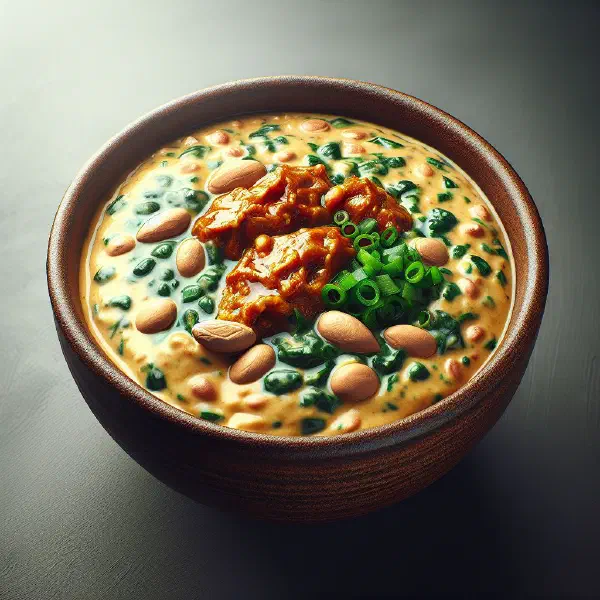
Fufu itself is entirely vegan and vegetarian, and it pairs beautifully with plant-based sauces and stews. Try serving it with a vegetable stew or a spiced tomato sauce for a nourishing, deeply satisfying meal, a leafy Njama Njama is a classic partner. There are countless ways to adapt the dish, so experiment with different plant-based ingredients until you find your perfect combination.
More tips and tricks
To get the texture just right, let the cooked roots steam dry properly before you begin pounding. That single step helps make your fufu creamier and more elastic. You can also vary how long and how vigorously you pound to achieve exactly the consistency you like, firmer for scooping, softer for spooning. Little adjustments like these turn every portion into a pleasure.
Adapting the recipe to your taste
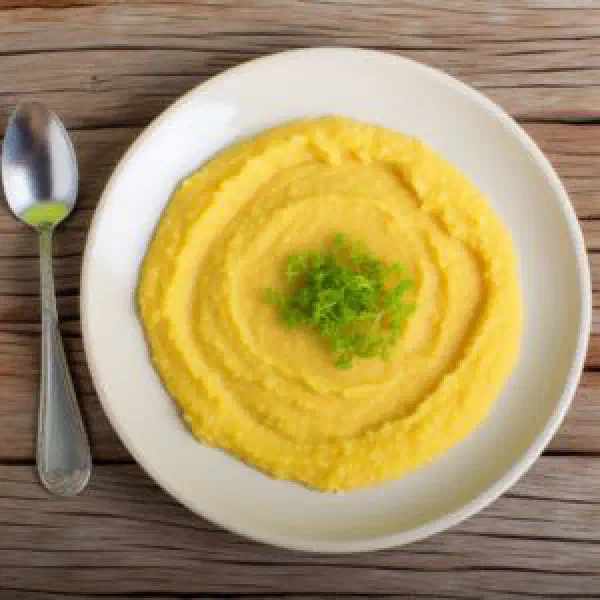
The fufu recipe is easily adjusted to suit personal preferences, mainly by changing which root you use. Cassava is the popular choice, but sweet potato and other root vegetables work well too, and cornmeal gives you the version known as Fufu Corn. Feel free to be creative and try different combinations until you find your own favourite. Each variation has its own distinct character and opens up a new eating experience.
Ingredient substitutions
If fresh cassava or yam proves hard to find, instant fufu or fufu flour makes a perfectly good stand-in. These products are stocked by most African and international grocers and offer a much quicker route to the finished dish. Bear in mind that the texture and flavour can differ slightly from the traditional version, so it is worth trying a couple of brands to see which one you prefer. Fans of pounded staples might also enjoy Pounded Yam.
Drink pairing ideas
A number of drinks work beautifully with fufu, complementing the spice of the sauces it is served with. Traditional choices such as palm wine or fresh fruit juices are hard to beat. If you would rather avoid alcohol, ginger tea or simple sparkling water make refreshing companions. Experiment a little and you will soon find the pairing that suits you best.
Serving and presentation ideas
Thoughtful presentation lifts the whole fufu experience. Serve it in a large bowl with a colourful spread of sauces and side dishes for a meal that looks as good as it tastes. Setting everything out on a wooden platter or in a traditional African serving bowl adds a lovely cultural touch. Combine colours and textures so that the food is as interesting to look at as it is to eat.
A bit of history
Fufu has a long history in African cooking. The craft of preparing it has developed differently across regions and countries, and the knowledge has usually been handed down from one generation to the next. Methods vary from community to community depending on which ingredients are available locally and which traditions hold sway. Knowing how to make good fufu remains an important part of Cameroon’s culinary heritage and a lasting symbol of hospitality and togetherness.
More recipe ideas
Summary: Fufu
In short, fufu is a hearty, nourishing dish that captures the cultural richness and culinary tradition of Cameroon. It is straightforward to make and offers plenty of scope for adapting to your own tastes. Paired with the sauces and stews suggested here, every plate of fufu becomes a real event. Give it a go and discover the delicious flavours of Africa at your own dining table.