National Dish Cameroon: Kebab (Recipe)
In this article
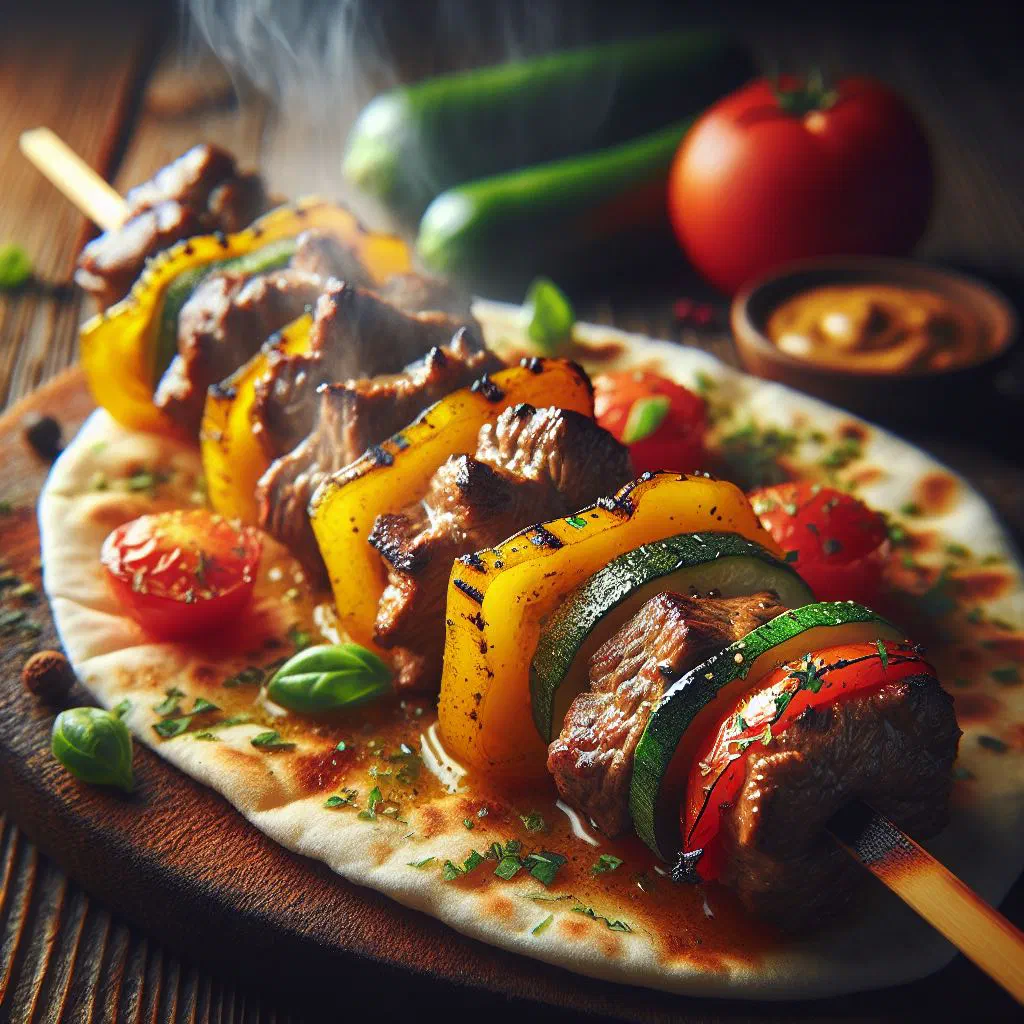
Meet the Cameroonian Kebab, juicy chunks of marinated meat threaded onto skewers and grilled over an open flame until deeply browned and fragrant. Aromatic herbs and warm spices soak into every piece, while the fire adds that unmistakable smoky aroma locals and visitors alike can’t get enough of. This is African grilling at its most inviting, and it’s far easier to recreate than you might think.
About Kebab
The Cameroonian Kebab is a distinctive dish that captures the culinary variety of West and Central Africa. It consists of tender cubes of meat seasoned with fragrant herbs and spices, then grilled over open coals. That method gives each mouthful an intense, smoky flavour that has made kebabs a fixture at markets, roadside grills and family celebrations across the country. Alongside close relatives such as Soya and Suya, the kebab shows just how central the grill is to everyday cooking in Cameroon.
Ingredients (serves 1–2)
- 500 g beef or chicken
- 2 tablespoons vegetable oil
- 2 cloves of garlic, chopped
- 1 teaspoon paprika powder
- 1 teaspoon pepper
- 1 teaspoon salt
- 1 teaspoon dried thyme
- 1 onion, cut into chunks
- Optional: peppers and courgette, cut into chunks
Shopping for the ingredients
When shopping for the ingredients, pay particular attention to the quality of the meat. Fresh, well-butchered beef or chicken delivers both the best flavour and the right texture on the skewer. Most of the spices listed are easy to find in any ordinary supermarket, and African or Asian grocers are a good source for anything more specialised. Don’t forget fresh vegetables such as peppers and courgette. They add colour, sweetness and moisture to the finished kebabs.
Preparing the dish
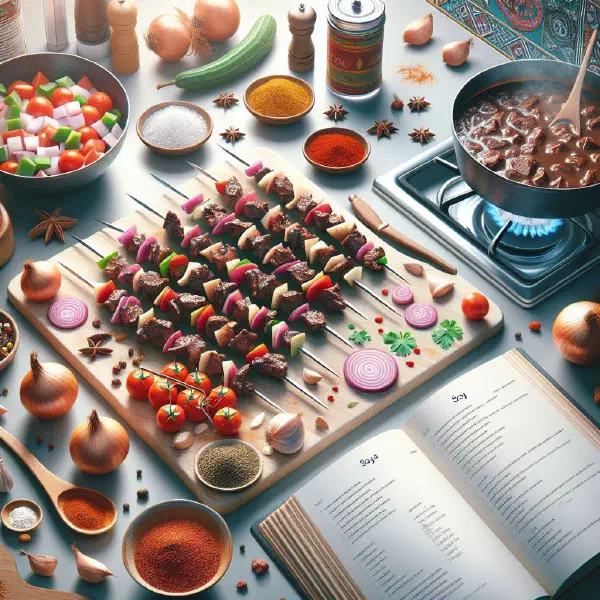
Preparation is quick and straightforward. Begin by cutting the meat into evenly sized cubes so that everything cooks through at the same rate. Then combine it with the remaining ingredients, garlic, paprika, pepper and thyme, and stir until every piece is coated. Let the marinade work for at least an hour so the flavours penetrate properly. The longer the meat rests, the more pronounced the taste, and the less work is left to do once the grill is hot.
Step-by-step instructions
- Thread the marinated meat onto skewers, alternating with vegetables if you like.
- Preheat the grill to a high temperature.
- Lay the kebabs on the grill and cook for around 15 minutes per side, until nicely browned.
- Rest them briefly before serving so the juices settle.
Gluten-free / lactose-free version
Cameroonian kebabs are naturally gluten-free and lactose-free, so you can serve them with confidence to guests with intolerances. Do check that the spices and oils you use are also certified free from gluten, since ready-made blends occasionally contain wheat-based fillers. A quick glance at the label is always worth the trouble and rules out any unexpected ingredients.
Tips for vegans and vegetarians
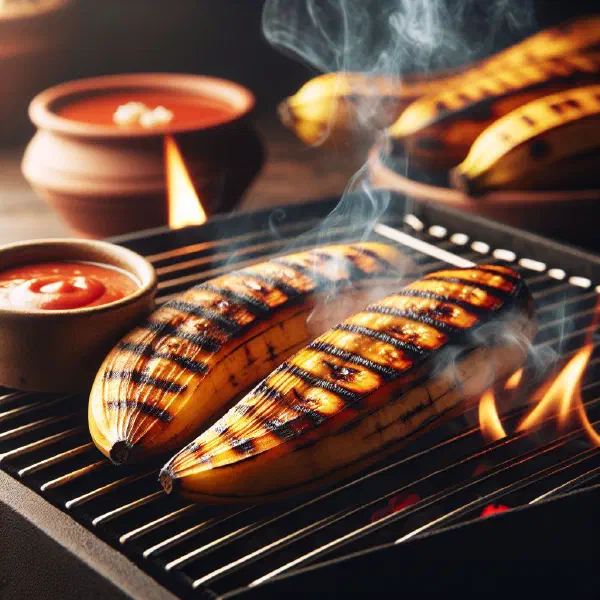
Vegans and vegetarians can adapt the recipe with very little effort by swapping the meat for mixed vegetables, tofu or seitan. These alternatives taste every bit as good provided they are marinated properly beforehand. Give the vegetables a decent soak in the spice mixture so the seasoning has time to sink in, then grill exactly as you would the meat version. Served this way, vegetarian kebabs are a hit at any barbecue, much like the ever-popular Grilled Plantains.
More tips and tricks
A few small tricks make grilling kebabs much simpler. A meat thermometer is the surest way to check that the centre is properly cooked without drying out the surface. Soaking wooden skewers in water before threading stops them charring and helps prevent sticking on the bars of the grill. Rotating through different vegetables from one batch to the next is an easy way to keep the flavour interesting.
Adapting the recipe to your taste
The ingredients and seasonings here can be adjusted freely to suit your own taste. Add chilli if you like a sharper heat, or work in fresh herbs for a greener, more fragrant result. The meat itself is equally flexible, lamb and pork both take well to the same marinade. Treat the recipe as a starting point and you’ll soon land on a version that is entirely your own.
Ingredient substitutions
If some of the ingredients aren’t available, there are plenty of alternatives. Instead of beef or chicken you might use game or turkey, both of which grill beautifully. Ready-made barbecue spice blends work perfectly well in place of the individual spices when time is short. The vegetables leave the most room for improvisation, reach for whatever is in season, in the same spirit as a hearty Groundnut Soup built around whatever the market offers.
Drink pairing ideas
The right drink brings out the smoky notes in these kebabs. Matango, the traditional Cameroonian palm wine, is an excellent match, see our Matango Drink for the details. Ice-cold lemonade and fruity cocktails are just as popular, especially on a warm afternoon. Whichever you choose, something cool and refreshing rounds off the grilling nicely.
Serving and presentation ideas
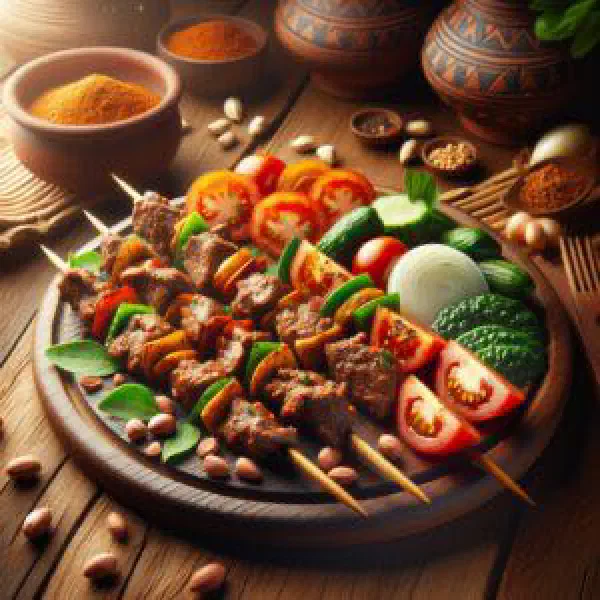
Presentation makes a real difference to how the dish is received. Serve the kebabs on a large wooden board or an attractive platter with fresh herbs scattered over and a selection of dips alongside. Offer side dishes such as salads or rice to complete the meal and give guests something to build a plate around. A colourful arrangement of ingredients makes the whole spread far more appealing.
A bit of history
Kebabs have a long history in African cooking and are a familiar sight at celebrations and social gatherings across Cameroon. Every region has its own traditions and variations, and the grill itself is usually the centre of the occasion rather than a side event. More than anything, kebabs are an expression of community: people gather around the fire, share food and swap stories. That sociable spirit runs right through Cameroonian cuisine.
More recipe ideas
Summary: Kebab
The Cameroonian Kebab is a delicious way into the distinctive flavours of Cameroonian cooking. Simple ingredients and a clear, forgiving method make it ideal for a sociable barbecue or a comfortable dinner at home. Use the tips above to tune the seasoning and the fillings to your own preference, and don’t be afraid to experiment with the meat and vegetables. Let this recipe inspire you and bring the aroma of Africa straight to your table.