National Dish Cameroon: Kwacoco (Recipe)
In this article
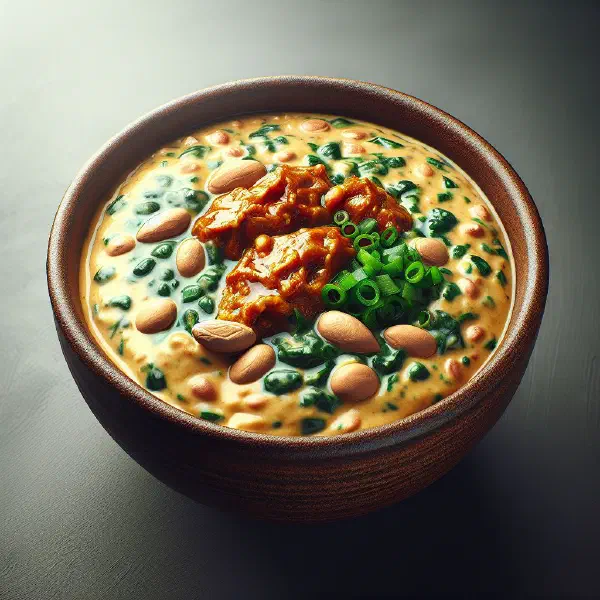
Discover Kwacoco, one of Cameroon’s most comforting national dishes. Creamy coconut milk, earthy yam and a handful of fresh green vegetables come together in a bowl that is both nourishing and deeply satisfying. It is simple, honest cooking with real tropical warmth behind it, and it brings the flavours of West Africa straight into your own kitchen.
About Kwacoco
Kwacoco is a traditional national dish from Cameroon, celebrated for its deep flavours and wholesome ingredients. The combination of coconut, yam and a mix of green vegetables produces a dish that is both tasty and genuinely filling. It is more than a pleasure on the plate: it also says a great deal about the cultural diversity of Cameroon. Every time it is cooked, it brings coastal and inland influences together, which is why it has won over cooks far beyond the country’s borders.
Ingredients (serves 1–2)
- 250 g yam roots
- 200 ml coconut milk
- 100 g chopped greens (e.g. spinach, chard)
- 1 onion, chopped
- 2 garlic cloves, crushed
- 1 teaspoon salt
- 1 teaspoon pepper
- 1 teaspoon palm oil (optional)
Shopping for the ingredients
To make kwacoco you will want fresh, good-quality ingredients. Yam roots are sold in African and Asian grocers or at markets that stock West African produce, the same shops that supply the tubers for Pounded Yam. Coconut milk is available in most supermarkets, but check that it contains no additives so the flavour stays clean. Alongside the greens, fresh herbs such as parsley or coriander are worth picking up to give the dish an extra lift.
Preparing the dish
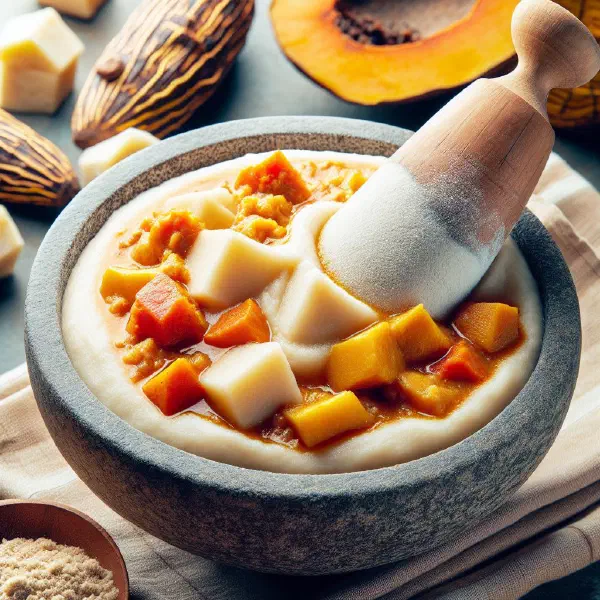
Careful preparation is the key to a successful kwacoco. Start by peeling the yam roots and cutting them into small pieces. These should be simmered in a pan of water until soft. Meanwhile, wash and finely chop the greens so their flavour spreads evenly through the dish. The onion and garlic deserve the same attention, since they form the essential flavour base of the whole recipe.
Step-by-step instructions
- Bring the yam roots to the boil in a pan of water and cook for 15–20 minutes, until soft.
- Drain the cooked yam, tip it into a bowl and mash it with a fork.
- Heat a little palm oil in a frying pan and sauté the onions together with the garlic.
- Add the greens and cook briefly until they have wilted.
- Pour in the coconut milk, add the mashed yam and stir everything together well.
- Season with salt and pepper and let it simmer over medium heat for 5–10 minutes, until the flavours have come together.
Gluten-free / lactose-free version
Kwacoco is naturally gluten-free and lactose-free. Neither yam nor coconut milk contains any gluten, which makes it an ideal choice for anyone with an intolerance. Just make sure that the spices and oils you use carry no traces of gluten. That way almost everyone can enjoy this dish, whatever their dietary restrictions may be.
Tips for vegans and vegetarians
Kwacoco is not only for meat lovers. It is a perfect vegan dish in its own right. Cooking the vegetables calls for no animal products at all. Vegans can enrich it further by adding more colourful vegetables or a scattering of nuts for extra nutrients and texture. Feel free to vary the ingredients as you please and give the recipe your own personal signature.
More tips and tricks
To get the most out of your kwacoco, use fresh yam roots wherever possible: they have far more flavour than frozen or pre-processed products. Experiment with different vegetables such as carrots or courgettes to refine the dish further. A pinch of nutmeg can add an interesting aroma too. If you enjoy this style of cooking, the greens in Njama Njama make a fine companion on the same table.
Adapting the recipe to your taste
The beauty of kwacoco is how adaptable it is. Those who like heat can add chilli or extra pepper to sharpen the dish up. Alternatively, you can keep things gentle by choosing milder vegetables and using fewer spices. Everyone should feel free to vary the recipe according to their own wishes and palate, turning it into a truly personal culinary experience.
Ingredient substitutions
If you have no yam roots to hand, sweet potatoes or ordinary potatoes will give you a similar consistency. For a different flavour direction, almond milk can stand in for coconut milk. That will change the taste, but it takes nothing away from the character of the dish. Cooks who like this kind of flexibility often apply the same thinking to Fufu, which is equally forgiving about its base ingredient.
Drink pairing ideas
Kwacoco goes beautifully with fruity juices or refreshing water with lemon. For an alcohol-free option, serve coconut water to heighten the tropical feeling, or a glass of Pineapple Juice. If you would rather have something alcoholic, a light lager or a white wine is a good choice. These drinks harmonise well with the savoury, faintly sweet notes of the dish.
Serving and presentation ideas
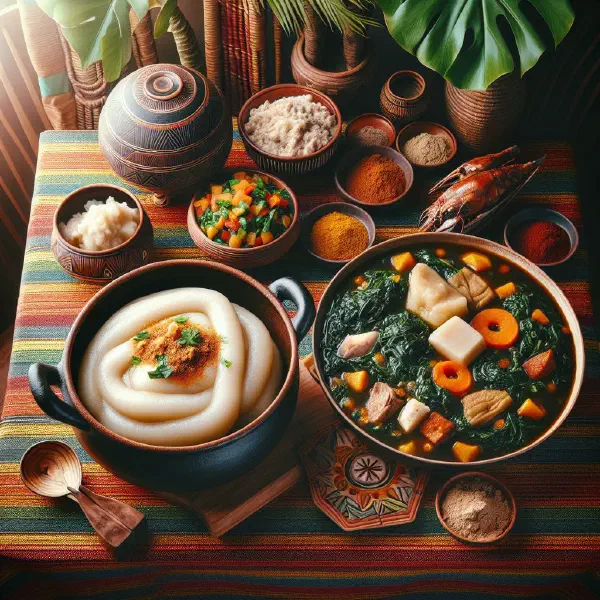
To present kwacoco attractively, serve it in colourful bowls. Scattering fresh herbs such as coriander or parsley over the top brings not only colour but extra flavour as well. Serve it with a bright salad or a selection of fresh vegetables on the side to create a plate that really invites you in. Presentation can add a great deal to the pleasure of the meal.
A bit of history
Kwacoco has its roots in traditional Cameroonian cooking and is often served at festive occasions. It is a dish that has survived generations and reflects the cultural identity of the country. The use of coconut goes back to the tropical coastal environment, where it is a staple food. These traditions also express the hospitality and sense of community that run deep through Cameroonian cuisine and much of West Africa.
More recipe ideas
Summary: Kwacoco
Kwacoco is a hearty and nourishing dish that reflects the rich culture of Cameroon. With its delicious blend of yam, coconut milk and vegetables, it is a treat for anyone who wants to experience the many flavours of Africa. Whether for a celebratory dinner or a simple family meal, kwacoco brings joy and flavour to every table. Let it inspire you and enjoy the delicious simplicity of this traditional dish.