National Dish Canada: Acadian Fricot (Recipe)
In this article
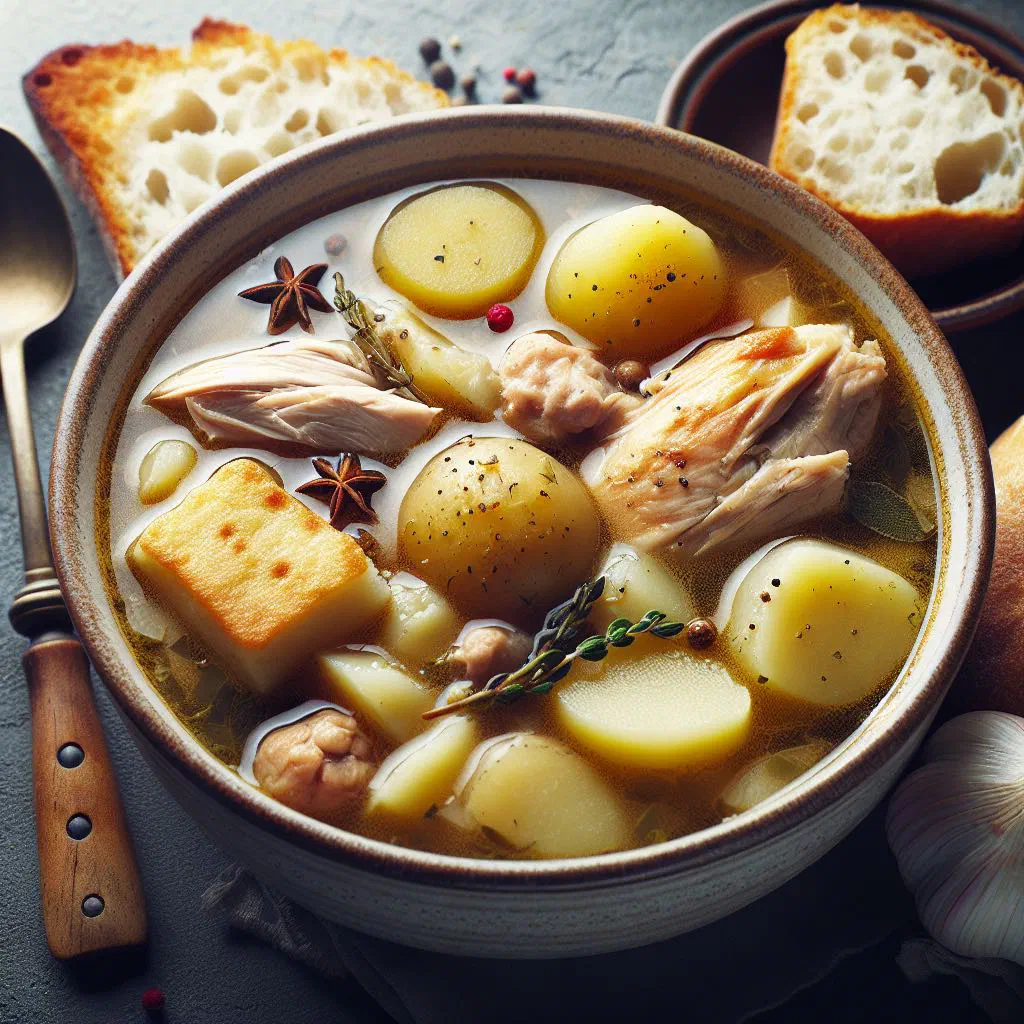
Discover Acadian Fricot, one of Canada’s most comforting country classics. This warming bowl brings together tender meat, floury potatoes and gently fragrant herbs in a broth that tastes of long winters and full farmhouse tables. It is the kind of dish that simmers away quietly while the kitchen fills with the smell of thyme and sweet onions. Perfect for a sociable evening or a cold, grey afternoon.
About Acadian Fricot
Fricot is a traditional dish from the Acadian region of Canada, with its roots firmly in French country cooking. It sits somewhere between a hearty soup and a thick stew, and it is most often served during the colder months of the year. The combination of tender meat, fresh potatoes and aromatic herbs and spices gives it a flavour that is unmistakably its own. More than simply nourishing, fricot is a symbol of the rich culinary tradition of Acadian culture.
Ingredients (serves 1–2)
- 250 g beef or chicken, diced
- 2 large potatoes, peeled and diced
- 1 onion, diced
- 2 carrots, sliced
- 1 litre vegetable or meat stock
- 1 teaspoon thyme
- 1 teaspoon parsley
- Salt and pepper to taste
- 1 tablespoon oil, for frying
Shopping for the ingredients
To make an authentic version of fricot, choosing the right ingredients matters. Call in at your local butcher for fresh meat, and look for seasonal vegetables for the best flavour. Many of the ingredients, such as potatoes and carrots, are available all year round, so you can cook the dish whenever the mood takes you. Where possible, pick organic produce to bring out the natural taste.
Preparing the dish
Getting ready to cook fricot is straightforward and takes only a few steps. Begin by cutting the meat into cubes and preparing the vegetables. Take care to chop the potatoes and carrots to a similar size so that everything cooks evenly. Cutting the ingredients properly not only makes the cooking easier, it also helps the flavours blend together far more successfully in the pot.
Step-by-step instructions
- Heat the oil in a large pot and brown the meat all over.
- Add the onion and carrots and fry briefly alongside the meat.
- Pour in the stock and bring everything to the boil.
- Add the potatoes and the herbs, then reduce the heat.
- Let the dish simmer for 30–40 minutes, until the vegetables are tender.
- Season with salt and pepper and serve.
Gluten-free / lactose-free version
One of the great strengths of fricot is that it is easily made gluten-free and lactose-free. Simply check that the stock you use contains no gluten-based ingredients. For a lactose-free version, stick to plant-based oils and broths, much like the dairy-free approach that works well for Three Sisters Soup. That way, anyone with particular dietary needs can still enjoy this delicious speciality.
Tips for vegans and vegetarians
For a vegan or vegetarian version of fricot, replace the meat with tofu or a mixture of vegetables. Use a vegetable stock rather than a meat stock so the dish keeps its full, rounded flavour. Cook the vegetables a little longer than usual so they take on plenty of the seasoning. With these small adjustments, the plant-based version is every bit as hearty as the original.
More tips and tricks
To deepen the aroma of fricot even further, try adding a pinch of smoked salt or a little smoked paprika. This gives the dish an extra dimension and a pleasantly rustic, open-fire character. Garnishing with fresh herbs such as thyme or parsley also lifts the presentation. Experiment with different spices to give the pot your own personal signature.
Adapting the recipe to your taste
Fricot is wonderfully versatile and easy to adjust to personal preference. Add other vegetables such as celery or peas to vary the flavour, or lean on root vegetables for a sweeter, earthier result. The choice of meat can change too, depending on what you enjoy most, a richer cut brings it closer to a Wild Game Stew. This flexibility makes fricot a superb dish for creative cooks.
Ingredient substitutions
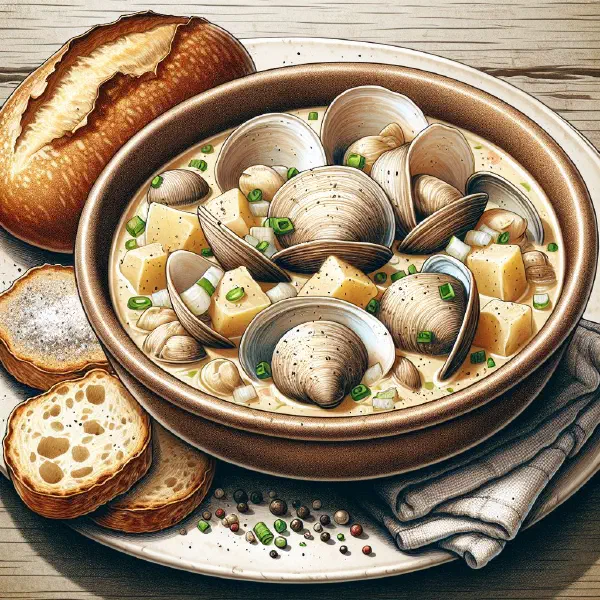
If you do not have particular ingredients to hand, there are plenty of alternatives. Instead of beef you might use pork or even fish, which turns the pot in a maritime direction not far from a Clam Chowder. You can also choose whichever seasonal vegetables happen to be available to keep the dish fresh and lively. Creative swaps like these keep fricot exciting and delicious, whatever ends up in the pan.
Drink pairing ideas
A comforting dish like fricot goes happily with a range of drinks. A robust red wine harmonises beautifully with its savoury depth, while a cold beer makes a refreshing counterpoint. For an alcohol-free option, a fresh fruit juice or a homemade lemonade wakes up the palate without overwhelming it. Choose a drink that complements rather than competes with the flavours in the bowl.
Serving and presentation ideas
The presentation of fricot can be simple yet stylish. Serve it in rustic ceramic bowls or deep soup plates to underline its traditional character. A fresh garnish of chopped herbs scattered over the surface adds a lovely finishing touch. You can also play with colourful vegetables to make the dish more appealing to the eye, and a slice of warm Bannock alongside completes the picture.
A bit of history
Fricot has its origins in Acadian cooking, shaped by the French settlers who made their home in Canada’s Maritime provinces. This much-loved speciality has been handed down from generation to generation and remains a fixture of Canadian culture. A love of good food and of shared meals runs right through the way fricot is cooked and served, one of the warmest expressions of Canadian cuisine. It is more than a recipe; it is a symbol of community and tradition.
More recipe ideas
Summary: Acadian Fricot
Fricot is a warm and hearty dish that suits sociable evenings and cold days equally well. With simple, fresh ingredients and an uncomplicated method, it brings the authentic taste of the Acadian kitchen to the table. Because the recipe adapts so readily to different preferences and dietary needs, it stays a flexible and generous dish for everyone. Let this Canadian highlight tempt you into the kitchen, one pot is rarely enough.