National Dish Canada: Arctic Char (Recipe)
In this article
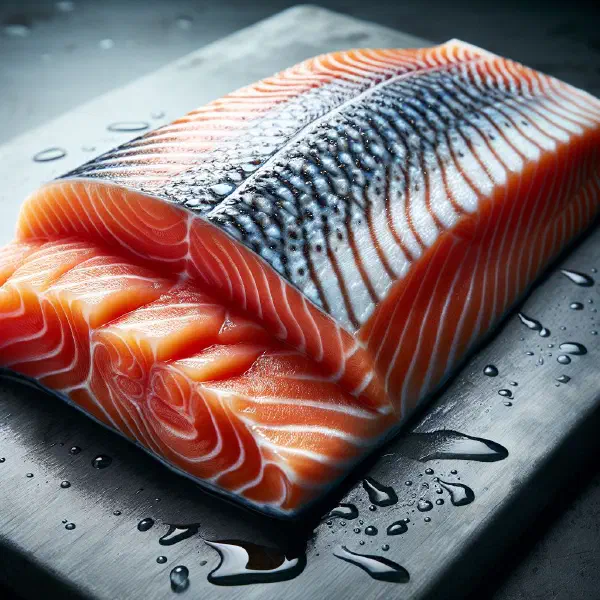
Few fish capture the spirit of the Canadian North quite like Arctic char. Pulled from the icy lakes and rivers above the treeline, it sits somewhere between salmon and trout: rosy, delicate and beautifully buttery, with a mild flavour that never overwhelms. A little olive oil, a squeeze of lemon and a scattering of dill are all it really needs. Grill it, pan-fry it or smoke it. This is northern cooking at its most elegant and its most honest.
About Arctic Char
Arctic char is a remarkable fish native to the cold waters of the Arctic. Its tender, buttery texture and gentle flavour make it a genuine culinary treat. The dish is especially popular in Canada, where it is prepared in any number of ways, grilled, pan-fried or smoked. In many Canadian households, Arctic char is prized as a flavourful and nutritious delicacy that feels special without being fussy.
Ingredients (serves 1–2)
- 2 Arctic char fillets (about 200 g each)
- 2 tablespoons olive oil
- 1 lemon (juice and zest)
- 1 teaspoon dill (fresh or dried)
- Salt and pepper to taste
- Fresh sides (vegetables or salad, for example)
Shopping for the ingredients
When shopping for Arctic char, freshness is everything. Visit a local fishmonger or a supermarket you trust to make sure the fish is fresh and of good quality. Organic olive oil and fresh herbs such as dill will lift the flavour further still. Take the opportunity to pick up fresh seasonal sides too, a crisp salad or roasted vegetables round the plate out nicely.
Preparing the dish
Getting ready to cook Arctic char is refreshingly simple. Begin by rinsing the fish thoroughly and patting it dry with kitchen paper. While you work, juice the lemon and grate the zest to give the dish a bright, fresh note. Lay everything out before you start so the cooking runs smoothly and the flavours come through at their best.
Step-by-step instructions
- Rub the Arctic char with olive oil, lemon juice, dill, salt and pepper, then leave to marinate for about 15 minutes.
- Preheat the grill or a frying pan over medium heat.
- Lay the char on the grill or in the pan and cook for roughly 4–5 minutes per side, until the flesh is just done and the skin is crisp.
- Garnish with fresh lemon zest and extra herbs, then serve with your chosen sides.
Gluten-free / lactose-free version
Arctic char is naturally gluten-free and lactose-free, which makes it an excellent choice for anyone with intolerances. Just check that everything you use alongside it, the olive oil, any preserved herbs or marinades, is free from gluten and dairy as well. That way you can be confident the meal is wholesome and suitable for everyone at the table.
Tips for vegans and vegetarians
Although Arctic char is a fish dish, vegans and vegetarians can borrow the same flavours and techniques for a plant-based version. Tofu or thick slices of aubergine work beautifully: marinate them the same way and grill until charred at the edges. Fresh herbs and lemon remain essential here, sharpening the taste and keeping things lively. The result is a satisfying plate that still echoes the character of Canadian cuisine.
More tips and tricks
To get the most from your Arctic char, try different marinades to vary the flavour. A splash of soy sauce or a drizzle of honey brings a sweet-savoury edge that suits the fish well. Above all, take care not to overcook it, char dries out quickly. Watch the timings closely, as they shift depending on the thickness of the fillet, and pull the fish from the heat while the centre is still just translucent.
Adapting the recipe to your taste
This recipe adapts easily to personal preference. Swap the dill for rosemary or thyme to change the character of the dish entirely, or add spices such as paprika or garlic for a bolder profile. Maple syrup is another natural partner in this part of the world, much as it is in Maple Glazed Salmon.
Ingredient substitutions
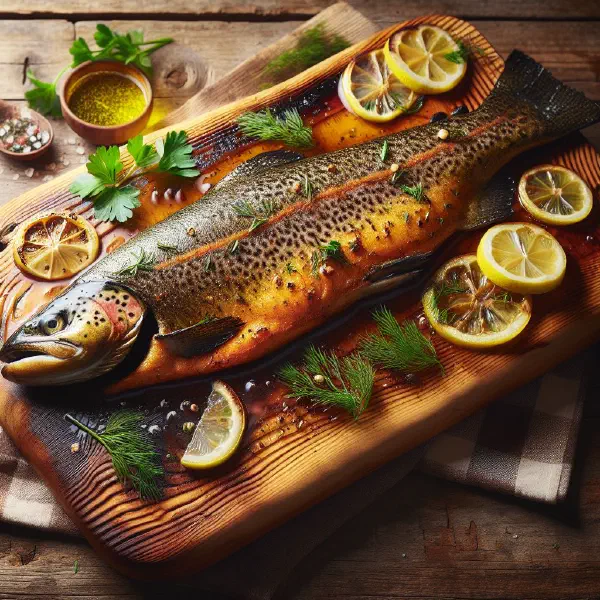
If you are missing an ingredient or two, there are plenty of alternatives. Olive oil can be replaced with any other vegetable oil, and parsley or chives stand in nicely for dill. The sides can vary just as freely, instead of fresh vegetables, try quinoa, wild rice or plain boiled potatoes. Should Arctic char itself prove hard to find, an Atlantic Salmon Fillet or a Cedar Baked Trout makes a fine substitute.
Drink pairing ideas
A light white wine suits Arctic char perfectly, a Sauvignon Blanc or a Chardonnay complements the fish without competing with it. For something non-alcoholic, a fruity lemonade or a crisp sparkling apple cider works just as well. Both options harmonise with the delicate flesh of the fish and bring the meal to a satisfying close.
Serving and presentation ideas
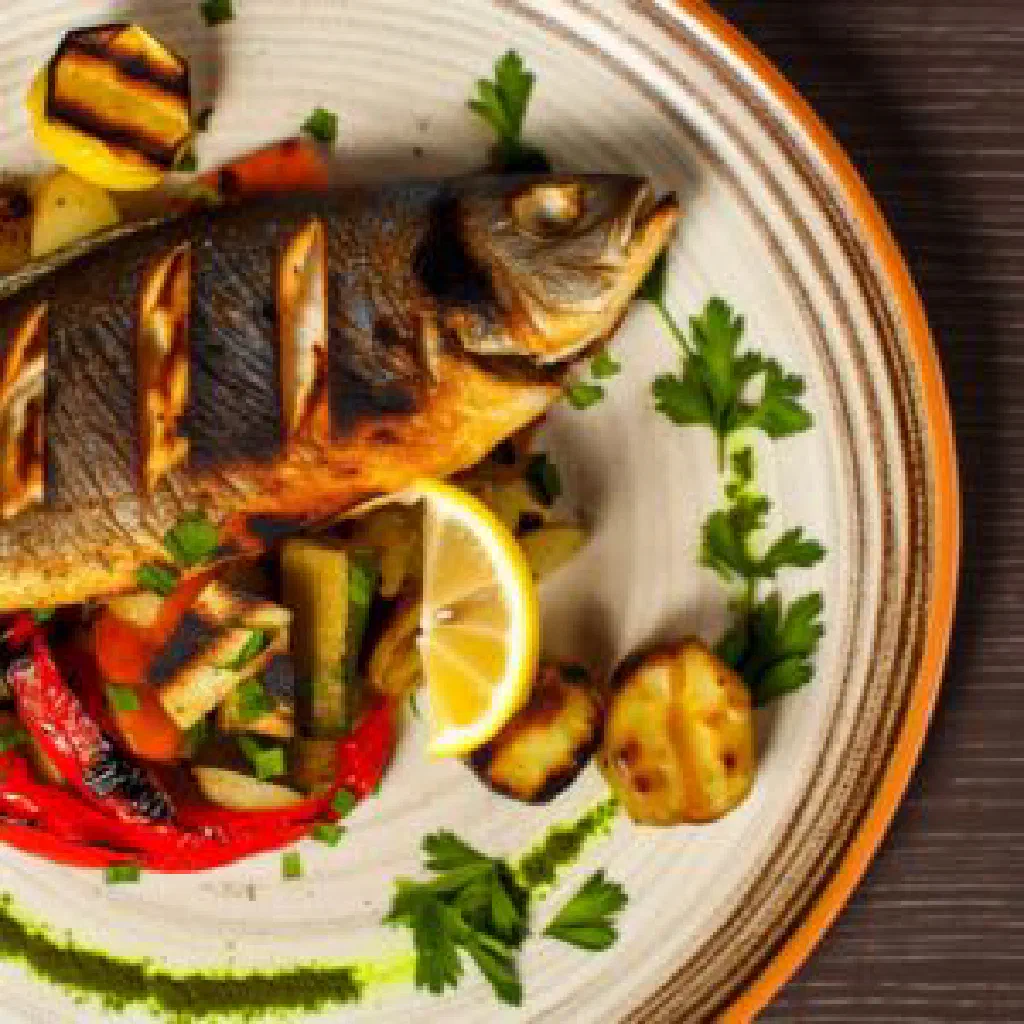
To present Arctic char attractively, arrange it on a large platter and decorate with fresh herbs. A squeeze of lemon over the fish adds freshness and looks inviting on the plate. Build in colour with a mix of vegetables or a bright salad, the visual contrast makes a real difference. Thoughtful presentation lifts the whole eating experience considerably.
A bit of history
Arctic char has its origins in the frigid waters of the far North and has long been a cornerstone of the diet of the Inuit and other Indigenous peoples. Eating fresh fish this way is woven deep into Canadian culture, alongside northern staples such as Bannock and heartier fare like Caribou Stew. Today Arctic char is valued in traditional and modern kitchens alike and regarded as a delicacy by food lovers around the world. Sustainable fishing also plays an important part in protecting this remarkable species, and it remains one of the proudest expressions of Canadian cuisine.
More recipe ideas
Summary: Arctic Char
Arctic char offers a genuinely distinctive eating experience, marked by its versatility and its healthy credentials. Whether grilled, pan-fried or smoked, the possibilities are all but endless. Paired with fresh sides and served with a little care, it turns into the highlight of any table. Rediscover Canadian cooking and enjoy everything this extraordinary northern fish has to offer.