National Dish Canada: Butter Tarts (Recipe)
In this article
Few things say Canada quite like a tray of freshly baked Butter Tarts. Sweet, sticky and gloriously messy, they pair a crisp, buttery pastry shell with a filling that sets somewhere between a caramel and a custard. They turn up at bake sales, family gatherings and roadside cafés from Ontario to the Maritimes, and every household seems to defend its own version. Runny or firm, with nuts or without. This is a small bake with a very big following.
About Butter Tarts
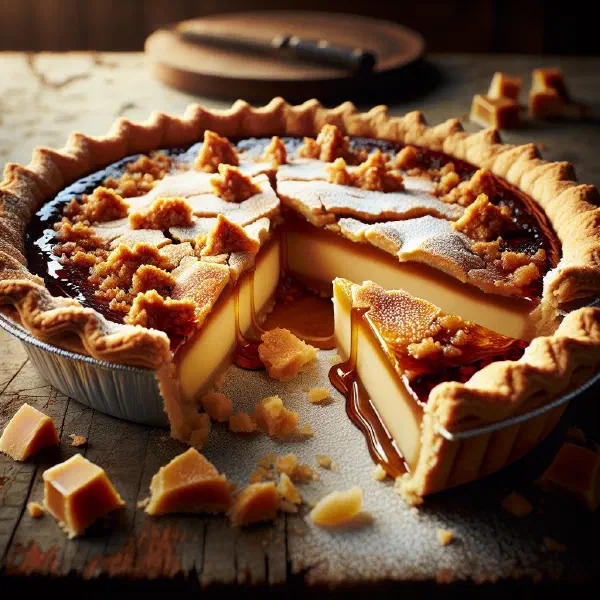
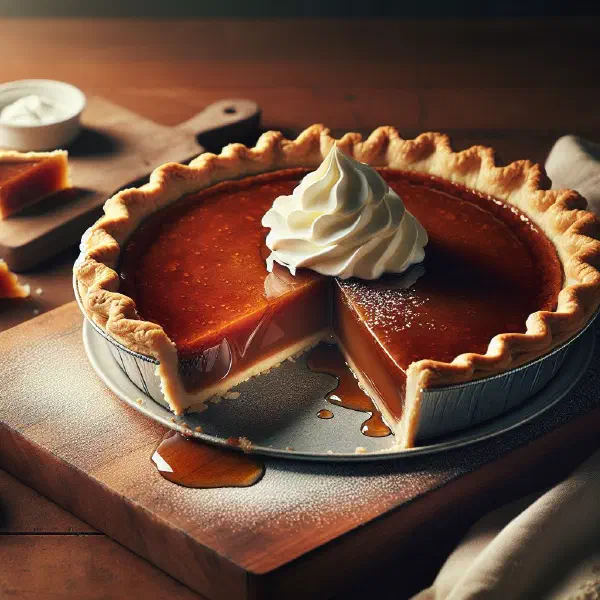
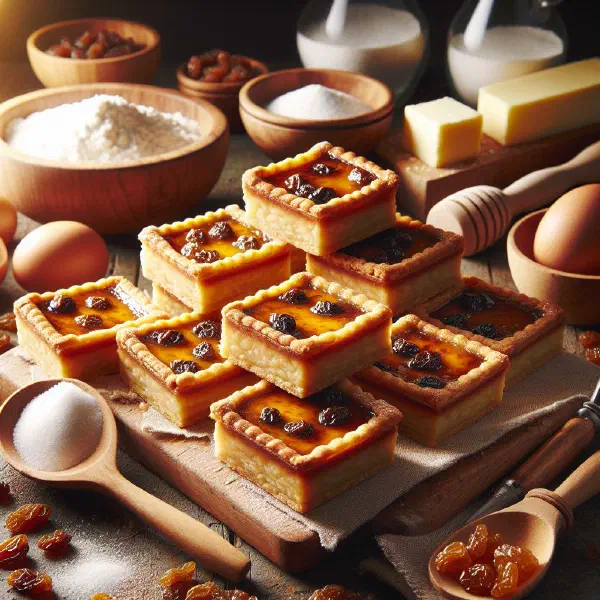
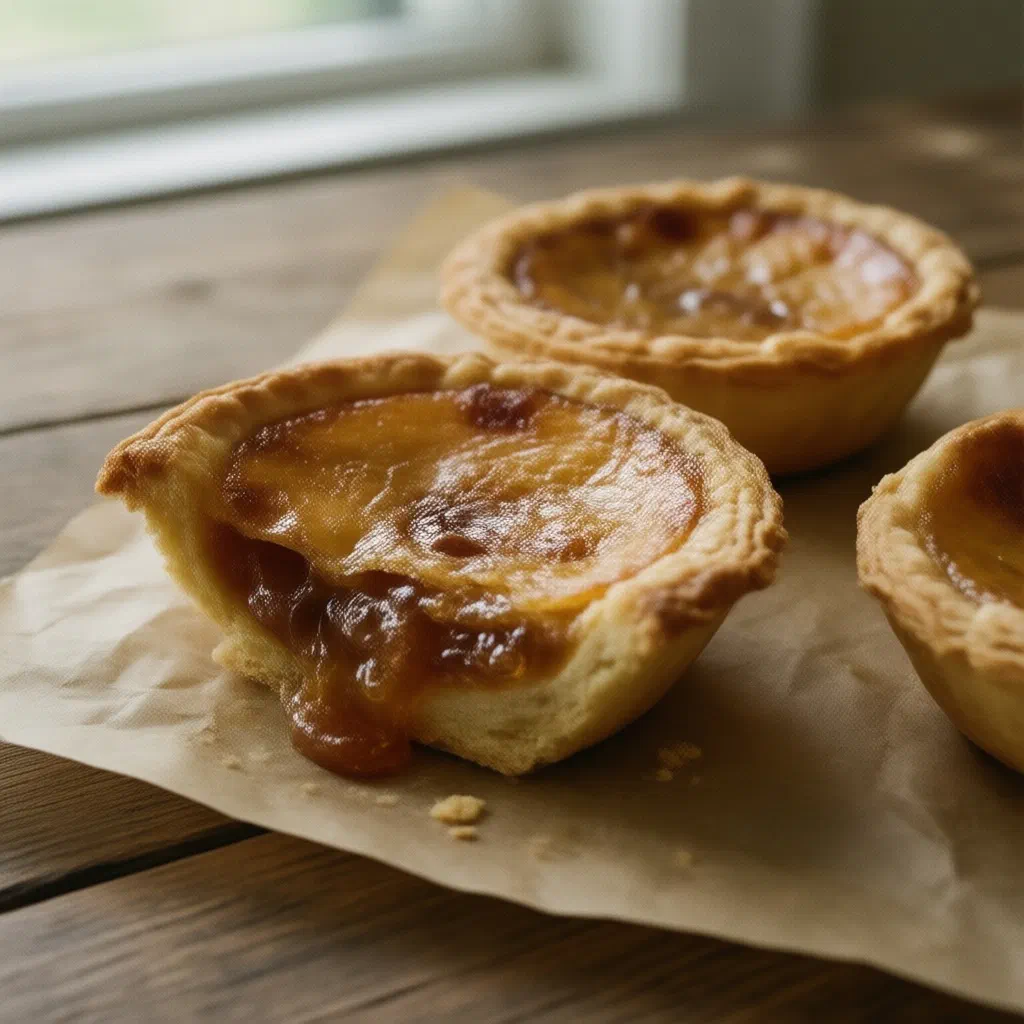
Butter Tarts are one of Canada’s most cherished sweets, famous for their rich, buttery filling and their very good bite. Each tart is little more than a crisp pastry case holding a glossy pool of brown sugar, butter, egg and maple syrup, baked until it just sets. That simplicity is the whole point: nothing distracts from the caramel depth of the filling. For anyone wanting to get to know Canadian baking, this is the obvious place to start.
Ingredients (serves 1–2)
- 150 g puff pastry (fresh or frozen)
- 75 g brown sugar (about 1/3 cup)
- 28 g butter, melted (2 tablespoons)
- 1 large egg
- 80 g maple syrup (about 1/4 cup)
- 1/2 teaspoon vanilla extract
- A pinch of salt
- 25 g chopped pecans or walnuts, optional (about 1/4 cup)
Shopping for the ingredients
Nearly everything on the list is a supermarket staple. For a properly authentic result, look for pure Canadian maple syrup rather than a flavoured table syrup, the difference in depth of flavour is immediately obvious. With the pastry, quality matters more than format: fresh or frozen both work beautifully, so long as it is an all-butter sheet. Pecans and walnuts are best bought in small quantities and stored somewhere cool, as their oils turn quickly.
Preparing the dish
- Heat the oven: Preheat your oven to 190 °C.
- Prepare the tin: Have a 12-hole muffin tin ready.
- Prepare the pastry: If you are using frozen puff pastry, defrost it according to the packet instructions. Roll it out and cut rounds large enough to line the hollows of the muffin tin.
Step-by-step instructions
- Press the pastry into each hollow of the muffin tin to form small tart cases.
- In a medium bowl, whisk together the brown sugar, melted butter, egg, maple syrup, vanilla extract and a pinch of salt until smooth.
- Stir in the chopped nuts, if using.
- Divide the filling evenly between the prepared pastry cases.
- Bake the tarts for around 15 to 20 minutes, until the filling has set and the shells are golden brown.
- Leave them to cool in the tin before easing them out carefully.
Gluten-free / lactose-free version
Butter tarts adapt well to both needs. A ready-made gluten-free shortcrust or puff pastry works perfectly in place of the usual sheet, and because the filling itself contains no flour, nothing else needs changing. For a lactose-free batch, swap the butter for a good plant-based margarine with a high fat content so the filling still sets firmly. The result is close enough to the original that few guests will notice.
Tips for vegans and vegetarians
For a vegan version, choose a dairy-free pastry, use plant-based butter and replace the egg with a suitable binder such as a flax or chia egg. Give the mixture a few extra minutes to thicken before it goes into the cases, as vegan fillings set a little more slowly. Vegetarians need only check that the pastry is made with butter or vegetable fat rather than lard, which some traditional recipes still use.
More tips and tricks
The eternal Canadian argument is runny versus firm: pull the tarts out at 15 minutes for a filling that oozes, or give them the full 20 for one that holds its shape. Fill the cases no more than three-quarters full, or the syrup will bubble over and weld the tarts to the tin. Chilling the lined tin for ten minutes before baking helps the pastry keep its crisp, flaky edges. And always cool them completely, warm butter tarts collapse the moment you lift them.
Adapting the recipe to your taste
There is plenty of room to make these your own. Reduce the brown sugar for a gentler sweetness, or swap part of it for honey or date syrup. Chocolate lovers can scatter a few chocolate chips into the filling, while a pinch of cinnamon or nutmeg adds warmth. Raisins are the traditional addition in much of Ontario, though whether they belong at all is a debate best settled at your own table.
Ingredient substitutions
If the cupboard is bare, alternatives abound. Golden syrup or a dark honey can stand in for maple syrup, though the flavour shifts away from the Canadian original. Walnuts, hazelnuts or even toasted pecans are interchangeable, and desiccated coconut works nicely for anyone avoiding nuts entirely. Muscovado in place of ordinary brown sugar gives a deeper, almost treacly note reminiscent of a good Maple Sugar Pie.
Drink pairing ideas
Butter tarts are sweet enough to want something to cut through them. Hot coffee is the classic choice across Canada, with strong black tea a close second. Hot chocolate suits a winter afternoon, while a small glass of chilled dessert wine or an ice wine turns the tarts into a proper end to a meal. A glass of cold milk remains the unbeatable pairing for anyone under twelve.
Serving and presentation ideas
Keep it simple: arrange the tarts on a plain white platter so the glossy filling does the talking. A few fresh berries or a single mint leaf lift the plate without competing. For a party, pile them onto a tiered stand alongside squares of Nanaimo Bars for a spread that covers the sweet end of Canadian cuisine rather thoroughly.
A bit of history
Butter tarts emerged in Canada in the early twentieth century, with the first printed recipes appearing in Ontario community cookbooks around 1900. They are closely related to the British treacle tart and to the sugar pies of Quebec, adapted by settler cooks to the ingredients at hand, above all maple syrup. Today they are so firmly part of the national identity that Ontario runs dedicated butter tart trails and festivals, and the recipe remains a fixture of Canadian home baking.
More recipe ideas
Summary: Butter Tarts
Canadian butter tarts strike a near-perfect balance of sweetness and butteriness, wrapped in crisp pastry that shatters at the first bite. They are quick to make, endlessly variable and just as happy at a bake sale as on a dinner table. With nuts or plain, this is a Canadian classic worth having in your repertoire, and one your kitchen will smell wonderful for.