National Dish Canada: Habitant Soup (Recipe)

In this article
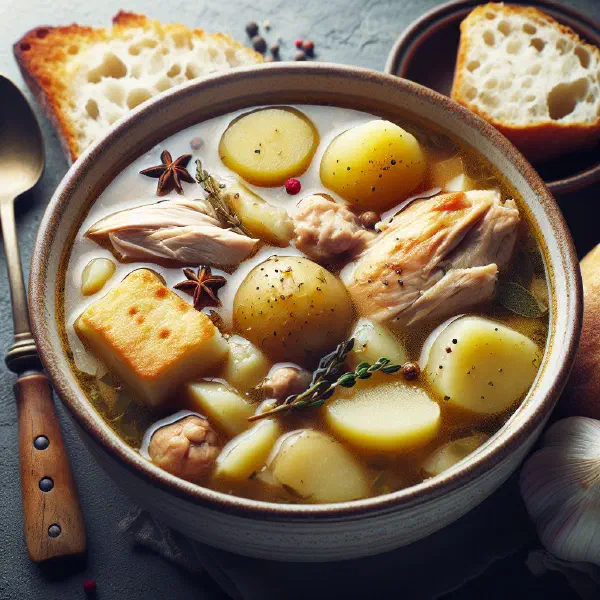
Warm up with Habitant Soup, a rustic bowlful straight from the farmhouse kitchens of Québec. Tender meat, sweet root vegetables and a gentle backbone of thyme and bay simmer together into a broth that tastes of long winters and generous hospitality. It asks for very little effort and rewards you with a great deal of comfort, the sort of soup that fills the house with a welcoming aroma long before anyone sits down to eat.
About Habitant Soup
Habitant Soup is a traditional Canadian dish that grew up in the kitchens of the Québec region. This hearty soup tells stories of farming tradition and of the local cooking that shaped it. The combination of tender meat, fresh vegetables and warming spices makes it a nourishing dish that families still turn to today. These are flavours that warm not only the body but the spirit too, much like a bowl of Three Sisters Soup on a cold evening.
Ingredients (serves 1–2)
- 200 g beef or chicken, diced
- 1 large carrot, diced
- 1 potato, diced
- 1 small onion, diced
- 500 ml vegetable or meat stock
- 1 tsp thyme
- 1 bay leaf
- Salt and pepper to taste
- Fresh parsley, to garnish
Shopping for the ingredients
When shopping for habitant soup, fresh produce is essential if you want the best flavour. Visit your local market or supermarket and look out for good-quality, ideally regional ingredients. That improves the soup both on the plate and in terms of sustainability. Where you can, choose organic meat and vegetables for an even better result.
Preparing the dish
Getting habitant soup ready is quick and straightforward, so a delicious meal is never far away. Start by dicing the vegetables and cutting the meat into bite-sized pieces. Thorough washing and careful, even cutting not only make the finished dish look good, they also help the texture. Choose a large soup pot so everything has room to move and cooks evenly.
Step-by-step instructions
- Heat a large pot over a medium heat and add the diced meat. Brown it lightly on all sides.
- Add the onion and vegetables and sweat everything for about 5 minutes.
- Pour in the stock and bring the mixture to the boil.
- Add the thyme, bay leaf, salt and pepper, then let the soup simmer gently over a low heat for around 30 minutes.
- Remove the bay leaf before serving and garnish the soup with fresh parsley.
Gluten-free / lactose-free version
Habitant soup is easy to make gluten-free and lactose-free, which puts it within reach of a wide range of diets. Simply use a gluten-free stock and check that the meat you choose contains no gluten-based additives. Alternatively, vegetable stock makes an excellent base for a wholesome, flavourful soup. That way the dish is accessible to everyone, whatever their individual dietary needs.
Tips for vegans and vegetarians
For vegans and vegetarians, habitant soup adapts easily: just replace the meat with plant-based alternatives. Tofu or tempeh both work well as a source of protein. Use vegetable stock in place of meat stock and you will still get a rich, savoury depth. Mung bean sprouts or chickpeas are worth adding too, for extra nutrients and a bit more texture, the same trick that lifts a bowl of Split Pea Soup.
More tips and tricks
To make your habitant soup even tastier, a few small touches go a long way. Let the soup rest for a couple of hours so the flavours can deepen and settle. A splash of red wine stirred in during cooking refines the whole thing beautifully. Experiment with spices such as paprika or cumin to give the pot your own signature.
Adapting the recipe to your taste
Habitant soup is highly adaptable and takes easily to different palates or dietary requirements. Add vegetables such as celery, peas or even spinach to boost the nutritional value. The choice of meat can vary too. Try game such as venison or wild boar for a particularly aromatic result. Let your creativity run and shape the dish to suit you.
Ingredient substitutions
If you do not have every ingredient to hand, there are plenty of alternatives. Instead of potatoes, try parsnips or butternut squash, which lend the soup an appealing sweetness. Where fresh vegetables are unavailable, frozen vegetables are often just as nutritious and work perfectly well. Do adjust the cooking times as you go, so everything keeps the best possible texture.
Drink pairing ideas
Habitant soup goes wonderfully with a range of drinks that support its savoury character. A full-bodied red wine is an excellent pairing and complements the flavours of the broth. For anyone avoiding alcohol, a fruity herbal tea or sparkling water with lemon is a good choice.
Serving and presentation ideas
Presentation can lift the habitant soup experience considerably. Serve it in attractive bowls and garnish with freshly chopped parsley or croutons. A clever touch is a scattering of grated cheese over the top, which adds another layer of flavour. Setting the bowls on a stylish board or tray also improves the visual impact of the meal, especially alongside warm Bannock for dipping.
A bit of history
The history of habitant soup runs deep in Canadian culture, and in Québec above all. This comforting soup reflects the way of life of the French settlers, who cooked robust, nourishing meals for their families. In essence it is a symbol of community and togetherness, often served at special occasions or shared around the family table. The recipe has shifted over the years but has remained a favourite of Canadian cuisine.
More recipe ideas
Summary: Habitant Soup
Habitant soup is more than just a meal; it is a piece of Canadian history and tradition. With its hearty combination of meat, vegetables and gentle seasoning, it is the perfect dish for cold days. Thanks to its adaptability and the ease with which it accommodates different dietary needs, it can be enjoyed by everyone. Give this comforting soup a place in your kitchen and savour a genuinely distinctive bowlful.