National Dish Canada: Three Sisters Soup (Recipe)

In this article
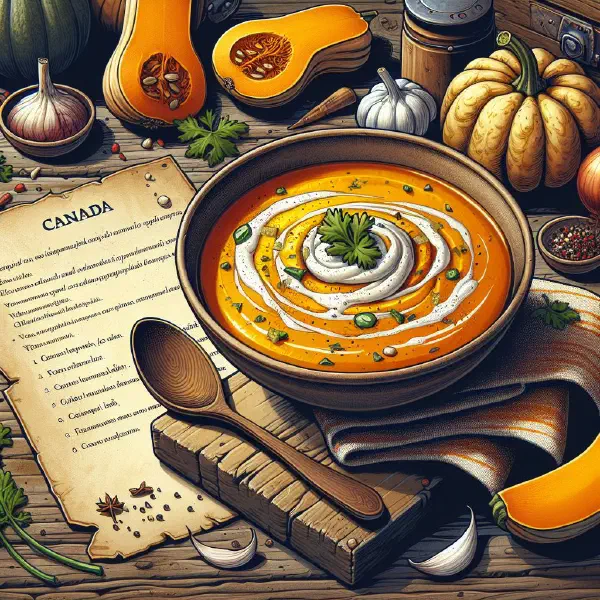
Discover Three Sisters Soup, one of Canada’s most meaningful bowls of comfort. Built on sweetcorn, beans and squash, the three crops that Indigenous farmers have grown side by side for centuries, it is hearty, warming and quietly nourishing. Every spoonful carries tradition as well as flavour, and the recipe comes together with little more than a pot, a knife and a good stock. It is the kind of soup that fills the kitchen with a gentle, golden aroma long before it reaches the table.
About Three Sisters Soup
Three Sisters Soup is a dish steeped in tradition, rooted deeply in the Indigenous cooking of Canada. It is built around the “three sisters”, sweetcorn, beans and squash, crops that are traditionally planted together in one garden bed. These ingredients are nourishing and rich in flavour and texture. The dish is a symbol of the link between food and culture, and it shows just how harmoniously three simple staples can work together in a single pot.
Ingredients (serves 1–2)
- 1 cup sweetcorn (fresh or frozen)
- 1 cup black beans (cooked)
- 1 cup squash, diced (fresh or tinned)
- 1 onion, chopped
- 2 cloves garlic, chopped
- 4 cups vegetable stock
- 1 tsp ground cumin
- Salt and pepper to taste
- Fresh herbs (coriander or parsley), to garnish
Shopping for the ingredients
When shopping for three sisters soup, look closely at the freshness of the vegetables. It makes all the difference to the finished flavour. The basics, sweetcorn, beans and squash, are all found in the fruit and vegetable aisle. Choose fresh, local produce wherever you can to lift the quality of your soup, and consider organic options to support both the environment and your own health. The same careful shopping pays off with a Squash Soup or a bowl of Wild Rice Soup.
Preparing the dish
Before you start cooking, it pays to prepare everything properly. Wash and dice the squash, then chop the onion and the garlic cloves. If you are using dried beans, soak and cook them well in advance so they are ready when you need them. Getting the ingredients sorted ahead of time keeps the cooking process running smoothly and lets you bring out the aromas in the soup to their very best.
Step-by-step instructions
- Sauté the chopped onions and garlic in a little oil in a large pan until translucent.
- Add the diced squash and cook for about 5 minutes, stirring now and then.
- Tip in the sweetcorn and the beans and mix everything together well.
- Pour in the vegetable stock and season with cumin, salt and pepper.
- Bring the soup to the boil, then leave it to simmer for around 20 minutes until the squash is tender.
- Garnish with fresh herbs before serving and enjoy warm.
Gluten-free / lactose-free version
Three sisters soup is naturally gluten-free and lactose-free, which makes it an ideal choice for anyone with those intolerances. Simply use a natural stock and check that none of the other ingredients hide any unexpected allergens. That way you can enjoy all the wholesome flavours without having to worry about your dietary sensitivities.
Tips for vegans and vegetarians
This soup is already vegetarian and vegan, which makes it a superb choice for plant-based eating. To boost the nutritional density, add extra green vegetables such as spinach or kale. Using a good vegetable stock also deepens the savoury character of the broth. These flexible adjustments keep the soup both delicious and nourishing for everyone at the table.
More tips and tricks
A slow cooking method intensifies the flavour of three sisters soup. Make it the evening before and let it rest overnight in the fridge; simply reheat the next day and the aromas will have melded beautifully. Experiment with different spice blends and herbs to adjust the soup to your own taste, the same trick works nicely with a pot of Barley Soup.
Adapting the recipe to your taste
The scope for variation in three sisters soup is almost endless. Add smoked paprika for a smoky note, or chilli flakes for a little heat. If you enjoy experimenting, try different varieties of bean, or stir in some pre-cooked quinoa for extra texture.
Ingredient substitutions
If a few ingredients are missing, there are plenty of alternatives. Instead of sweetcorn you can use peas, which sit very comfortably in the broth. Beans can be swapped freely between varieties, kidney or cannellini beans both work excellently. Sweet potatoes can stand in for the squash to give the soup a different sweetness and consistency.
Drink pairing ideas
Light drinks suit a warm bowl of three sisters soup particularly well. A refreshing lemon water or an unsweetened herbal tea harmonises beautifully with the flavours of the broth. If you are in a more sociable mood, serve a light wheat beer or a rosé wine, both of which underline the gentle, earthy character of the soup and turn the meal into something of an occasion.
Serving and presentation ideas
An attractive presentation makes any meal feel special. Serve the soup in colourful bowls that echo the shades of the vegetables inside. Decorate with fresh herbs and a squeeze of lemon juice for extra brightness. Add a few crisp croutons or toasted pumpkin seeds as a garnish to vary both flavour and texture, or serve it with warm Bannock on the side.
A bit of history
The three sisters have a long history in the Indigenous cultures of North America. The three plants were traditionally grown together because they support one another: the corn provides a natural support for the climbing beans, the beans in turn return nitrogen to the soil, while the broad leaves of the squash cover the ground and protect it from weeds. This method strengthens the soil and reflects a philosophy of sustainability and shared responsibility that remains a cornerstone of Canadian cuisine today.
More recipe ideas
Summary: Three Sisters Soup
Three sisters soup is not only delicious but genuinely meaningful, reflecting the cultural traditions of Canada in a single bowl. With simple ingredients that combine in perfect harmony, it offers an eating experience that is both nourishing and deeply satisfying. It brings warmth and goodness to the table. Give this recipe a try and discover the wonderful flavours, and the history, held in every spoonful.