National Dish Cape Verde: Bol de Cus-Cus (Recipe)
In this article
Say hello to Bol de Cus-Cus, a comforting cornmeal speciality from the islands of Cape Verde. Built around humble cornmeal and finished with the gentle sweetness of coconut, it is the kind of dish that feels equally at home as a hearty main or a moreish snack. Warm island spices give it a character all of its own, carrying a breezy, tropical flair to your table whether you are cooking for the family or laying on something special for guests.
About Bol de Cus-Cus
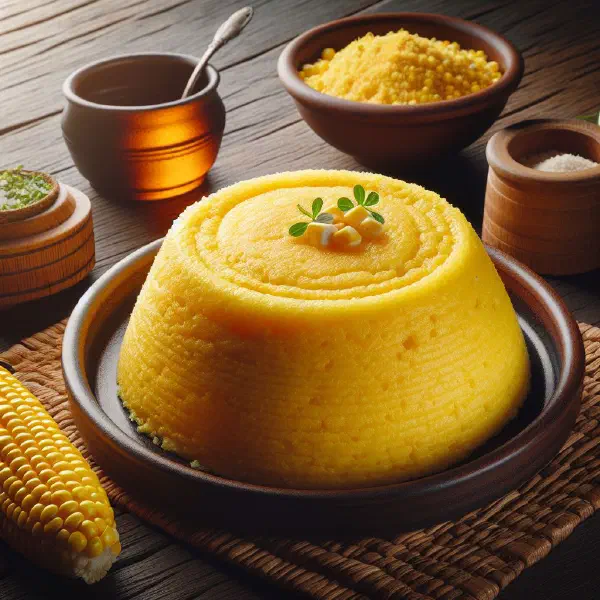
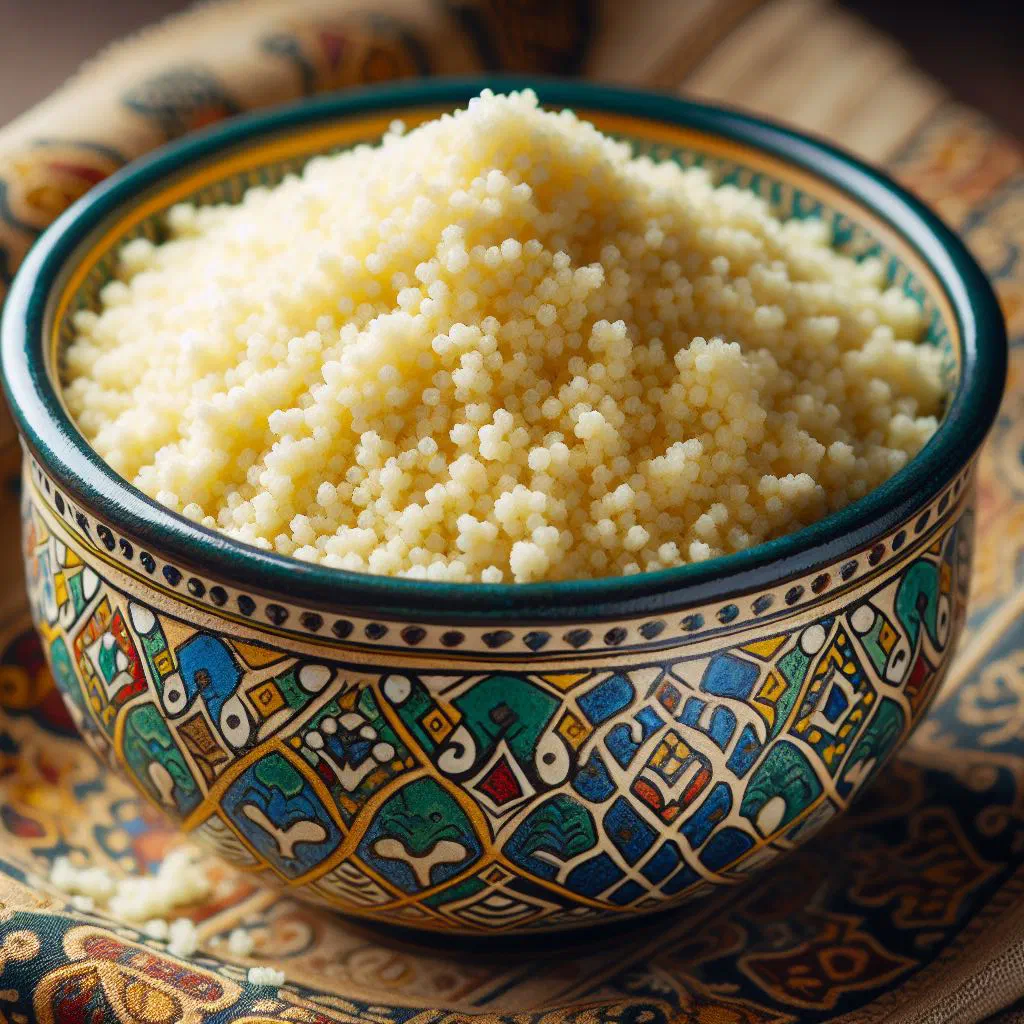
Bol de Cus-Cus is a traditional steamed cornmeal cake from Cape Verde, made from coarse cornmeal and prized for its simple, wholesome character. The distinctive pairing of warm, aromatic spices with coconut gives the dish its signature taste. It is often served as a hearty main or as a satisfying snack, making it ideal for just about any occasion. From a relaxed family meal to a lively celebration, Bol de Cus-Cus brings a touch of island flair straight to your plate.
Ingredients (serves 1–2)
- 200 g cornmeal
- 400 ml water
- 1 tsp salt
- 50 g grated coconut
- 1 tsp sugar
- 1 tsp olive oil
- Spices of your choice (e.g. cinnamon, nutmeg)
Shopping for the ingredients
The ingredients for Bol de Cus-Cus are easy to come by and can be found in most supermarkets or spice shops. Look for good-quality cornmeal that is fresh and well packaged. The grated coconut should be unsweetened to keep the flavour authentic. Your choice of spices matters too, as they are what lend the dish its personal touch, much like the warm notes that define a slice of Pao de Milho.
Preparing the dish
Before you start cooking Bol de Cus-Cus, gather all of your ingredients together. Measure out the quantities you need and have your equipment, a pan and a bowl, close to hand. It helps to weigh out the grated coconut and the spices in advance so the cooking runs smoothly.
Step-by-step instructions
- Bring the water to the boil in a pan and add the salt.
- Pour the cornmeal slowly into the boiling water, stirring constantly to avoid lumps.
- Reduce the heat and let the mixture cook, stirring all the while, until it is thick and even.
- Stir in the grated coconut, the sugar and the olive oil until well combined.
- Shape the mixture into small balls, or press it into a bowl to cut into portions later.
- Serve the Bol de Cus-Cus warm, ideally with an extra sprinkle of spices or a sauce alongside.
Gluten-free / lactose-free version
Bol de Cus-Cus is naturally gluten-free, as it is made entirely from cornmeal. That makes it an excellent choice for anyone with coeliac disease or a gluten intolerance. For an even richer texture, you can swap the water for coconut milk, which adds a lovely depth. Just take care that every ingredient you use is also certified gluten-free.
Tips for vegans and vegetarians
Bol de Cus-Cus is a great option for vegans, since the recipe contains no animal products at all. For extra flavour, you might use vegetable stock in place of plain water. The grated coconut brings a pleasant sweetness of its own, so the sugar is entirely optional. Experiment with different spices and vegetable additions to create a wholesome, nourishing meal.
More tips and tricks
When making Bol de Cus-Cus, small adjustments can make a big difference. Play with the consistency by adding a little more or less water to suit your liking. On the flavour front, work in different spices or fragrant herbs to refine the dish. A spicy sauce can also be added to introduce an extra savoury dimension.
Adapting the recipe to your taste
Bol de Cus-Cus is easy to adapt to your personal preferences. Feel free to fold in extra ingredients such as vegetables, nuts or dried fruit. These additions can boost the nutritional value and offer a range of new flavour experiences, in the same spirit as a bowl of Papas de Milho. That way your Bol de Cus-Cus never grows dull and stays a wonderfully varied dish.
Ingredient substitutions
Several ingredients in this recipe can be swapped out with ease. In place of cornmeal you might use other grains such as quinoa or rice. The grated coconut, meanwhile, can be replaced with other nuts or seeds for a fresh take on the flavour, as it is in the coconut-rich Bolinhos de Coco. Variations like these open up new ways to reinvent the traditional recipe creatively.
Drink pairing ideas
A number of drinks pair beautifully with Bol de Cus-Cus. A fresh fruit juice, such as pineapple or mango, complements the dish perfectly and brings a touch of sweetness. Alternatively, serve a refreshing lemonade or ice-cold water with a squeeze of lime. These drinks create a pleasant balance against the flavours of the dish and turn the meal into something memorable.
Serving and presentation ideas
An attractive presentation can lift the whole culinary experience. Serve Bol de Cus-Cus in a pretty bowl and garnish the dish with fresh herbs or a pinch of spice. Individual portions can also be arranged on leafy greens or wrapped in pastry for extra visual appeal. A decorative plate helps highlight the colours and textures of the dish and whets the appetite.
A bit of history
Bol de Cus-Cus has its roots in the long history of the Cape Verde islands. Through the exchange of cultures and traditions, this dish emerged as a blend of many different influences and remains a proud part of Cape Verdean cuisine. The word “cus-cus” originally comes from North African cooking and has been adapted in many parts of the world. On Cape Verde, a distinctive version has developed that makes the most of local ingredients and flavours.
More recipe ideas
Summary: Bol de Cus-Cus
Bol de Cus-Cus is a delicious and versatile dish from Cape Verde that is wonderfully easy to prepare. With its combination of cornmeal, coconut and aromatic spices, it delivers a truly authentic taste. It brings tropical flair to any kitchen. Thanks to a few simple tweaks and variations, you can adapt the recipe to your own preferences and rediscover it time and again.