National Dish Cape Verde: Bolo de Coco (Recipe)
In this article
Discover Bolo de Coco, a much-loved sweet treat from the sun-soaked islands of Cape Verde. This moist coconut cake makes the most of the tropical bounty that grows in abundance across the archipelago. With its tender crumb and deep, fragrant coconut flavour, it is pure indulgence with a cup of coffee or served as a dessert after a celebratory meal. Bring a little slice of island sunshine to your own table.
About Bolo de Coco
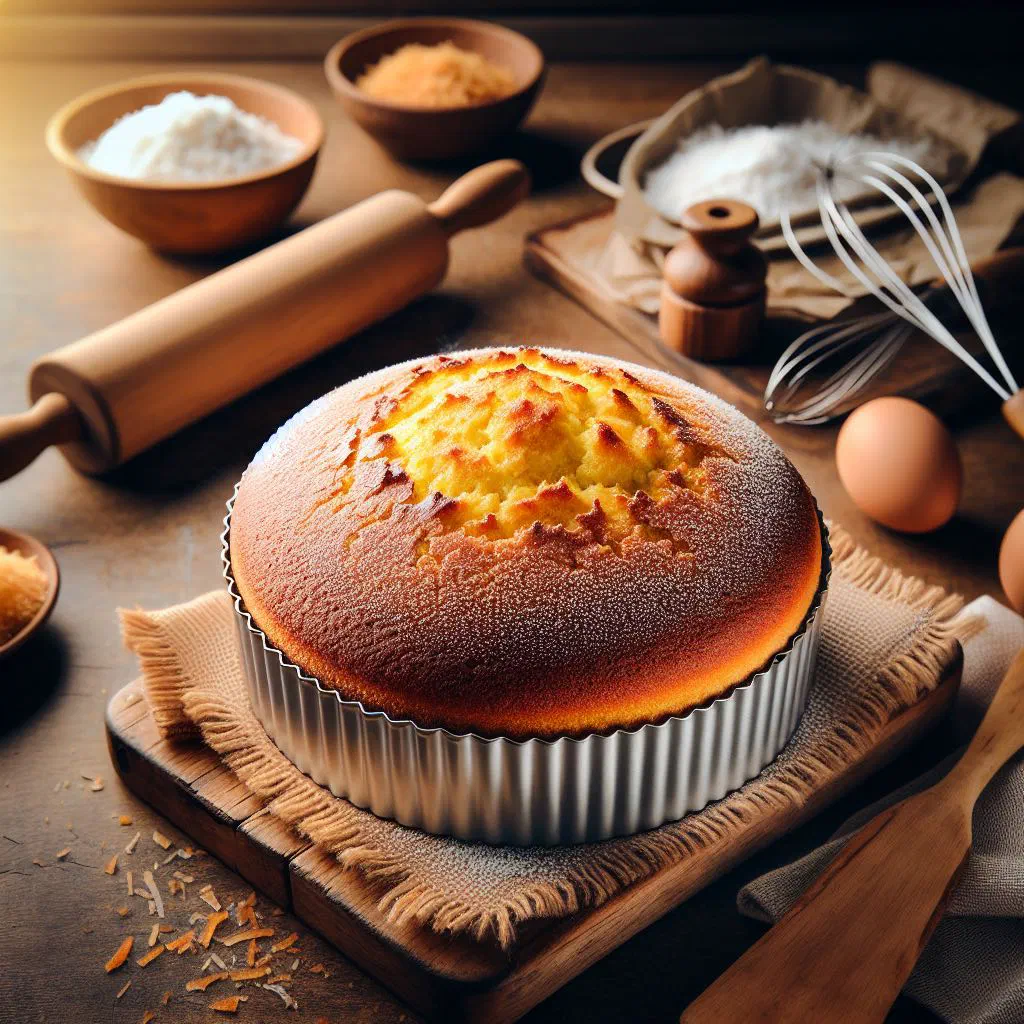
Bolo de Coco is a truly special part of the culinary heritage of the Cape Verde islands. This juicy coconut cake is built around one glorious ingredient, fresh coconut, which flourishes on the tropical islands. Enjoy it as a sweet indulgence alongside a coffee, or as a dessert to round off a feast, Bolo de Coco conjures up a piece of Cape Verde on your plate.
Ingredients (serves 1–2)
- 200 g fresh coconut, grated
- 150 g sugar
- 2 eggs
- 100 g plain flour
- 1 tsp baking powder
- 50 g butter, melted
- 1 pinch of salt
- A dash of vanilla extract
Shopping for the ingredients
To make Bolo de Coco you will want fresh ingredients, most of which are easy to find in supermarkets and at local markets. When choosing the coconut, look for one that is fresh and of good quality, as this makes all the difference to the flavour. The remaining ingredients, sugar, eggs and butter, should be as fresh as possible too, to bring out the full aroma of the cake. Where you can, opt for local produce to strengthen that connection to regional cooking.
Preparing the dish
Preparing Bolo de Coco is wonderfully straightforward and takes only a few simple steps. First, preheat the oven to 180°C so it is evenly hot by the time the cake goes in. It also helps to grease a cake tin with butter and dust it with flour to stop the cake sticking. This is especially important for the delicate Bolo de Coco, so it turns out of the tin cleanly when it comes time to serve.
Step-by-step instructions
- In a bowl, whisk the eggs with the sugar until pale and fluffy.
- Add the melted butter and the vanilla extract and mix well.
- Sift in the flour and the baking powder and fold them into the egg and sugar mixture.
- Stir through the grated coconut along with a pinch of salt.
- Pour the batter into the prepared tin and bake for around 30–35 minutes.
- Let the cake cool completely before serving.
Gluten-free / lactose-free version
If you would rather avoid gluten or lactose, Bolo de Coco adapts with ease. The gluten-free version can be made with gluten-free flour, widely available in health-food shops and supermarkets. Instead of the usual butter, reach for plant-based options such as margarine or coconut oil to cut the lactose. These swaps take nothing away from the delicious coconut flavour of the cake, if anything, they can enhance it.
Tips for vegans and vegetarians
Vegans can adapt the Bolo de Coco recipe simply by replacing the eggs with plant-based alternatives. A popular choice is flaxseed (mix 1 tbsp ground flaxseed with 2.5 tbsp water per egg) or chia seeds. These provide the binding and add to a wholesome, nourishing cake. Just make sure that everything you use, such as the plant-based butter, is genuinely vegan, so you end up with a fully plant-based version of Bolo de Coco.
More tips and tricks
To get the very best from your Bolo de Coco, a few tips and tricks go a long way. Make sure all the ingredients are at room temperature, as this helps achieve a better consistency. Always let the cake cool completely after baking before turning it out of the tin, to avoid it breaking. A skewer test is your friend here, insert one before removing the cake from the oven, and it should come out clean with no batter clinging to it.
Adapting the recipe to your taste
The Bolo de Coco recipe offers plenty of scope to tailor it to your own preferences. For an extra fruity note, try folding pineapple pieces or mashed banana into the batter. The sweetness is easy to adjust too, increase the sugar, or experiment with healthier sweeteners such as honey or stevia. You might also consider pairing the grated coconut with chocolate chips or nuts to create an entirely new flavour combination, much as you would with the sweeter side of Cape Verdean cuisine.
Ingredient substitutions
If you do not have certain ingredients to hand, there are plenty of alternatives you can call on. The baking powder, for example, can be replaced with bicarbonate of soda, as long as you add an acidic trigger such as lemon juice or vinegar. In place of fresh coconut, desiccated coconut works well and is stocked in many shops. Small adjustments like these let you make Bolo de Coco even when the usual ingredients are out of reach, the same resourceful spirit behind Doce de Coco.
Drink pairing ideas
Bolo de Coco is delicious with all sorts of drinks that round off the experience. A fresh coffee or tea are classic partners that perfectly complement the sweetness of the cake. A refreshing fruit juice, a homemade pineapple or mango juice, say, works especially well and underlines that tropical mood. For special occasions you might serve a cappuccino or a glass of Cape Verdean wine to complete the tasting experience.
Serving and presentation ideas
Presentation can add a great deal to the enjoyment of Bolo de Coco. Serve the cake on an attractive plate and garnish it with fresh fruit, such as kiwi or strawberries, for a splash of colour. A dusting of icing sugar gives it an inviting finish, while a scattering of cress or mint leaves adds a fresh touch. Little details like these turn the dessert into a real feast for the eyes and pleasure your guests, a lovely companion to a creamy Pudim de Coco.
A bit of history
Bolo de Coco has its roots in Cape Verdean cooking, which is a rich blend of African, Portuguese and Caribbean influences. The use of coconuts is a tribute to the tropical nature of the island nation, where they have been a key ingredient in the kitchen for centuries. Traditionally the cake was baked as part of festivals and celebrations, to honour and pleasure guests. Today Bolo de Coco is enjoyed well beyond Cape Verde and has become a symbol of Cape Verdean culture, sitting proudly alongside island classics like the honeyed Bolo de Mel.
More recipe ideas
Summary: Bolo de Coco
Bolo de Coco is an essential highlight of Cape Verdean cooking, winning hearts with its moist crumb and intense coconut flavour. With coffee, or as an inventive dessert, this coconut cake is a culinary experience that brings a taste of the islands to the plate. Its simple preparation and the ease with which it adapts to different dietary needs make it a perfect dessert for any occasion. Give Bolo de Coco a try and let the sweet temptation of Cape Verdean cuisine win you over.