National Dish Cape Verde: Cuscuz de Milho (Recipe)
In this article
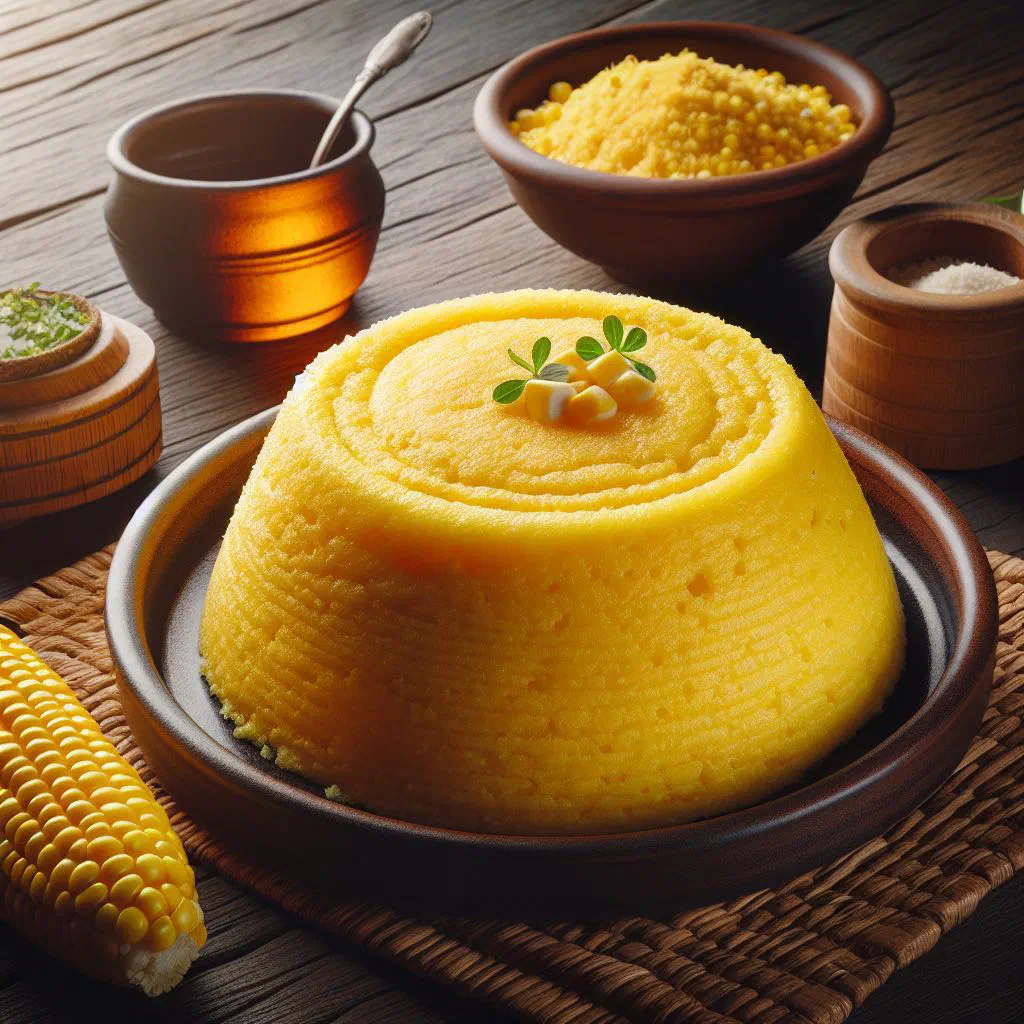
Say hello to Cuscuz de Milho, the humble corn couscous that sits at the heart of Cape Verdean home cooking. Made from little more than cornmeal, water and a pinch of salt, this gently steamed dish carries generations of island tradition in every fine, fluffy grain. Its mild, comforting flavour makes it the perfect canvas for whatever you serve alongside, from fresh vegetables to grilled fish. Bring a taste of the Atlantic archipelago straight to your own kitchen.
About Cuscuz de Milho
Cuscuz de Milho is a much-loved staple of Cape Verde, prized for its simple preparation and its distinctive, wholesome taste. This delicious corn dish has a long history and is passed down from one generation to the next. The fine grain of the cornmeal is perfect for soaking up the many aromas brought together in a meal, whether it is served as a side or paired with vegetables and meat. However you enjoy it, this dish is always a hit.
Ingredients (serves 1–2)
- 250 g cornmeal
- 300 ml water
- 1 teaspoon salt
- 2 tablespoons olive oil
- Optional: vegetables, meat or fish, to serve alongside
Shopping for the ingredients
To make Cuscuz de Milho, you will want fresh, good-quality ingredients. Look for cornmeal from a high-quality, ideally organic source so you can enjoy its full flavour. Many supermarkets and local markets now stock special ingredients from Cape Verdean cuisine as well. Pay a visit to your local markets or ethnic grocery shops to track down the very best produce.
Preparing the dish
Getting Cuscuz de Milho ready is straightforward and quickly done. First, bring the water to the boil and add the salt before carefully stirring in the cornmeal. It is important to stir well here to avoid any lumps forming. Let the mixture rest for a few minutes so the cornmeal can absorb the moisture and reach the right consistency.
Step-by-step instructions
- Bring the water to the boil in a pan and add the salt.
- Slowly scatter in the cornmeal, stirring constantly to prevent lumps.
- Keep stirring over medium heat for around 5–7 minutes, until the mixture is thick and smooth.
- Pour the mixture into a greased mould and press it down firmly.
- Steam the couscous for about 15–20 minutes, until it has set.
- Drizzle with olive oil to taste and serve with vegetables, meat or fish.
Gluten-free / lactose-free version
The recipe for Cuscuz de Milho is naturally gluten-free and lactose-free, as it is made mainly from cornmeal. That makes it ideal for anyone with an intolerance to these ingredients. When choosing what to serve alongside, take care to pick gluten-free and lactose-free options too. Vegetables, pulses or fish are excellent additions that round the dish off beautifully, much like the beans in a warming Feijoada.
Tips for vegans and vegetarians
For vegans, Cuscuz de Milho is a wonderful dish that is easy to adapt. Use fresh vegetables such as courgette, peppers or carrots on the side. Be sure to reach for plant oils rather than animal products. A tasty tomato sauce or a spoonful of pesto can also make a flavourful addition and lift the taste of the couscous even further.
More tips and tricks
To make Cuscuz de Milho especially aromatic, you can add different spices such as cumin or paprika. These give the dish an interesting note and bring extra depth of flavour. Many cooks also recommend dropping a bay leaf or a sprig of thyme into the water as it boils. This makes the whole mixture even more flavoursome.
Adapting the recipe to your taste
The recipe for Cuscuz de Milho is remarkably versatile and easy to tailor to different palates. You can vary the amount of spices and try out all sorts of sides as the mood takes you. The consistency can be adjusted too, simply by adding more or less water. Experiment with different combinations to find your perfect version of this dish, then round it out with something hearty like Jagacida.
Ingredient substitutions
If you do not have any cornmeal to hand, you can use polenta instead, or a blend of other gluten-free flours. There are plenty of alternatives for the sides too, such as chickpeas or lentils. The key is simply that your chosen ingredients harmonise well together, so they do not overpower the flavour of the Cuscuz de Milho.
Drink pairing ideas
A delicious dish like Cuscuz de Milho goes beautifully with fruity, refreshing drinks. A classic Cape Verdean cocktail based on rum, such as a Grogue Cocktail, or a freshly squeezed lemonade with mint both suit it well. A light, dry white wine also harmonises nicely with the flavours of the dish. Enjoy your meal with a well-matched drink and let the flavours work their magic.
Serving and presentation ideas
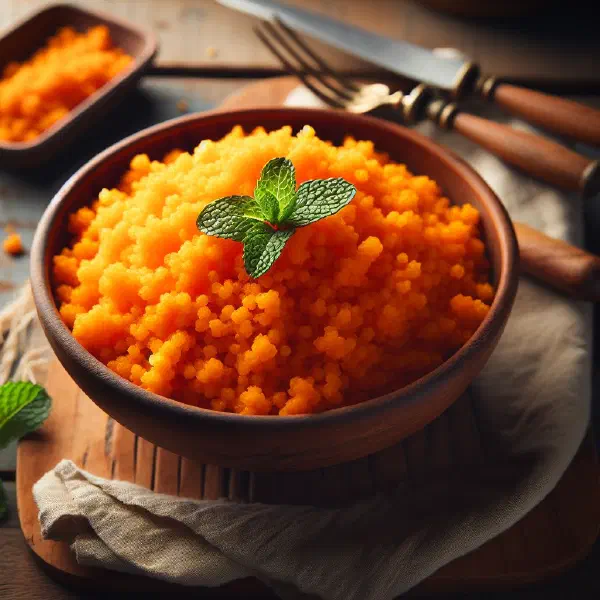
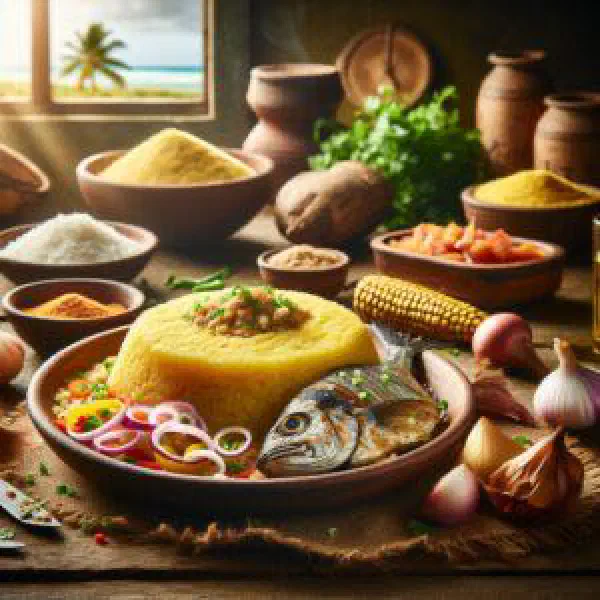
The way you present Cuscuz de Milho can make a real difference to that first impression. Serve the dish on a lovely plate and garnish it with fresh herbs such as parsley or coriander. A little olive oil can add an appealing sheen, too. If you are serving sides, arrange them colourfully and invitingly around the couscous to create an attractive plate.
A bit of history
Cuscuz de Milho has its roots in traditional Cape Verdean cooking and reflects the culinary diversity of the islands. It grew out of the need to turn simple ingredients into nourishing, flavourful meals. Preparing cuscuz is easy and can be adapted to suit all kinds of social occasions. Many families in Cape Verde have their own secret recipes, passed down from generation to generation, alongside island classics such as Cachupa and Xerem.
More recipe ideas
Summary: Cuscuz de Milho
Cuscuz de Milho is a marker of Cape Verde’s culinary tradition and a dish that adapts to all sorts of preferences. With its simple preparation and its endlessly variable ingredients, it is a perfect choice for many occasions. It offers a distinctive flavour that appeals to locals and visitors alike. Give it a go and let the flavours of Cape Verdean cuisine enchant you.