National Dish Cape Verde: Farinha de Pau (Recipe)
In this article
Say hello to Farinha de Pau, a wonderfully simple staple from the islands of Cape Verde. Made from little more than cassava flour, water and a splash of good olive oil, it delivers a hearty, comforting bite that has anchored island tables for generations. What makes it so appealing is its versatility: serve it plain as a soft, warming side, dress it up with vegetables or meat, or crisp it in the pan for extra texture. It is a taste of the Atlantic islands you can bring straight to your own kitchen.
About Farinha de Pau
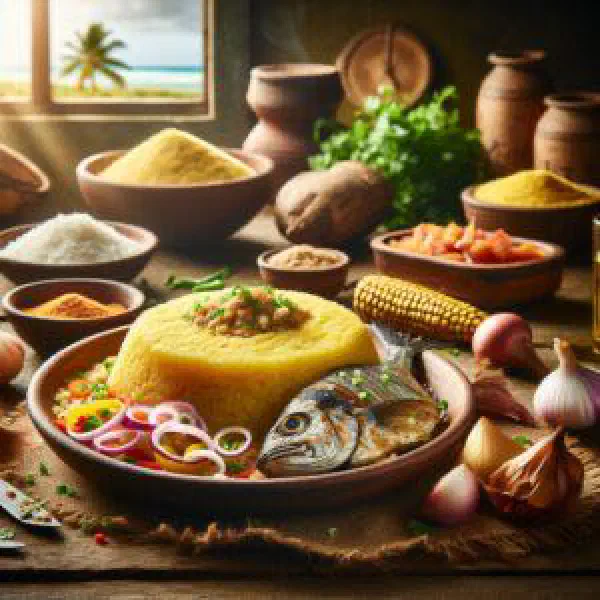
Farinha de Pau is a traditional dish from the Cape Verdean islands, prepared from cassava flour. It holds a special place in the archipelago’s culture and culinary tradition, prized for its savoury, satisfying flavour and for how flexibly it can be made and served. The combination of regional ingredients and time-honoured cooking methods turns this humble staple into a real treat, and its plain, adaptable base pairs beautifully with the bolder flavours of dishes like Cachupa.
Ingredients (serves 1–2)
- 200g cassava (manioc) flour
- 1 litre water
- 1 teaspoon salt
- 2 tablespoons olive oil
- Optional: vegetables or meat of your choice
Shopping for the ingredients
When shopping for the ingredients for farinha de pau, it is worth paying attention to the quality of the cassava flour. Specialist shops and online retailers often stock high-grade options that are ideal for this preparation. Beyond the flour, you can add fresh ingredients such as vegetables or meat according to taste and availability. Fresh produce helps the dish reach its full flavour, which is key to an authentic Cape Verdean experience.
Preparing the dish
To make farinha de pau, careful preparation of the ingredients goes a long way. Start by gathering and measuring everything out so the cooking process runs smoothly. Bring the water to the boil in a large pan while you keep the cassava flour ready to use. A little planning ahead lets you put the dish together quickly and efficiently.
Step-by-step instructions
- Bring the water to the boil in a large pan and add the salt.
- Reduce the heat and add the cassava flour, stirring constantly.
- Mix everything well until you have a smooth, even mixture.
- If you like, add vegetables or meat and let everything cook together for a few minutes.
- Take the pan off the heat and let the farinha rest for a few minutes before serving.
Gluten-free / lactose-free version
Farinha de pau is naturally both gluten-free and lactose-free, since it is made from cassava flour. That makes it a great option for anyone with intolerances or allergies. It is still worth checking any additional ingredients you use, in case they contain gluten or lactose. By sticking to safe, simple ingredients, everyone can enjoy the dish without compromising on flavour.
Tips for vegans and vegetarians
Farinha de pau is easily made vegan or vegetarian. Simply leave out any animal ingredients or swap them for plant-based alternatives. For an extra layer of flavour, stir in different vegetables such as peppers, courgettes or mushrooms. Nuts and pulses also work wonderfully to enrich the dish. Just remember to adjust the seasoning to keep both vegan and vegetarian palates happy.
More tips and tricks
To make farinha de pau truly your own, it is worth experimenting with your preparation. A little creativity with the seasonings, or trying out different ingredients, lets you tailor the dish exactly to your liking. For a crisp texture, briefly fry the finished dish in a pan before serving, much like you would with Mandioca Frita. These small tweaks keep the dish exciting in every variation.
Adapting the recipe to your taste
One of the great strengths of farinha de pau is the flexibility of the recipe. It can easily be adjusted to suit individual preferences. Experiment with different seasonings or use alternative ingredients to discover new flavour combinations. That way, everyone can create their own version of farinha de pau that matches their personal tastes.
Ingredient substitutions
If you do not have certain ingredients to hand, there are plenty of alternatives, for example, swapping the cassava flour for other gluten-free flours such as rice flour or cornflour. Adding plant-based proteins can also boost the dish’s nutritional value without altering its characteristic flavour. Use these substitutions to adapt farinha de pau to whatever your kitchen has available.
Drink pairing ideas
A range of drinks pairs harmoniously with farinha de pau. A classic Cape Verdean wine or a refreshing local beer makes an excellent companion. Fruity cocktails and soft drinks work well too. The right choice of drink helps draw out the flavours of the dish and rounds off the whole culinary experience.
Serving and presentation ideas
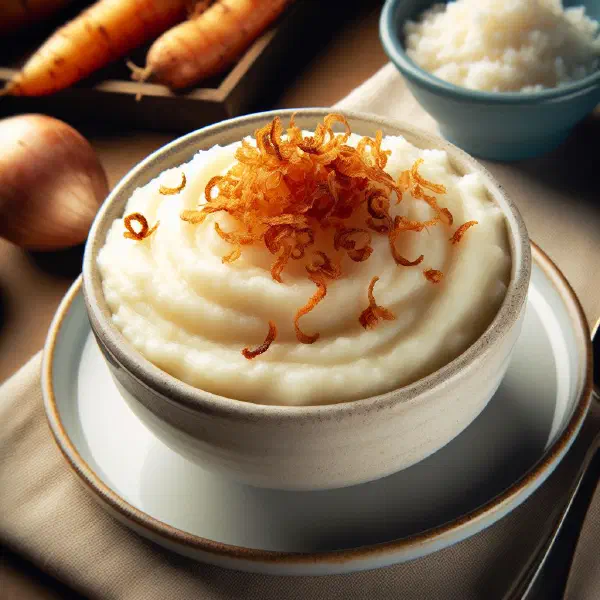
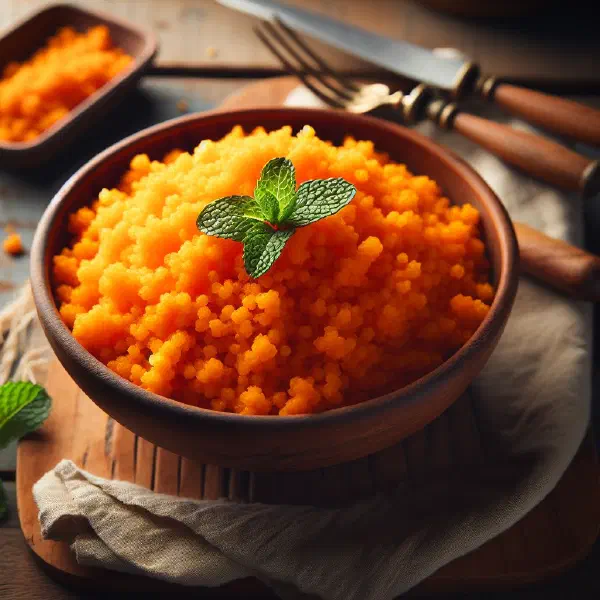
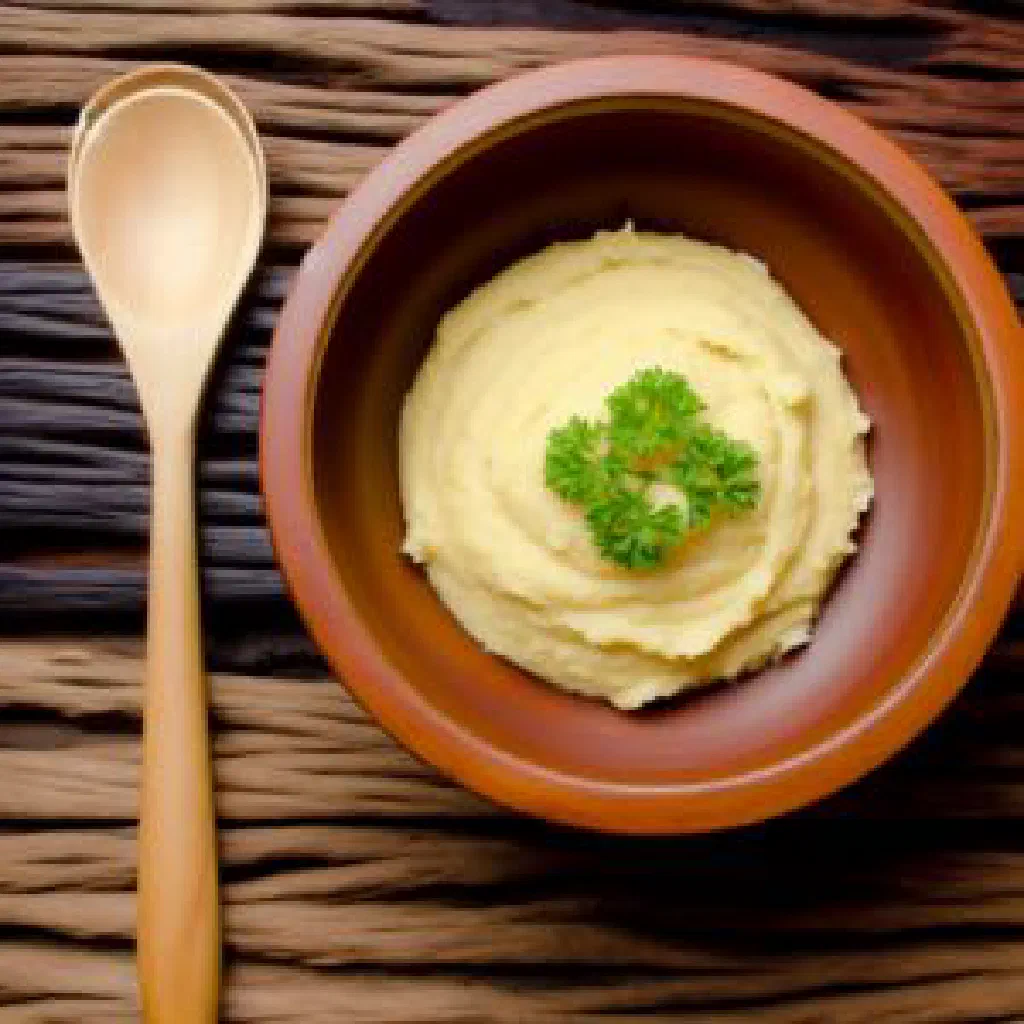
Presentation plays an important part in serving farinha de pau attractively. Arrange the farinha neatly in a bowl or on a plate and garnish with fresh herbs or colourful vegetables. These visual touches boost the appetite appeal and the pleasure of eating. Thoughtful presentation turns any meal into a small celebration.
A bit of history
Farinha de pau has a rich tradition on the Cape Verdean islands, one that runs deep in the region’s history. The dish reflects the culinary identity of the islanders as well as the influences of African and Mediterranean cooking. Thanks to the flexibility of its ingredients and preparation, it is a symbol of cultural diversity. Every family recipe tells a story and helps keep a living tradition alive, much like the cherished staples of Cape Verdean cuisine.
More recipe ideas
Summary: Farinha de Pau
Farinha de pau is a delicious and versatile dish that perfectly represents Cape Verdean cooking. With its savoury flavour and the scope to adapt it to your own taste, it is an ideal recipe for experiencing the cultural aromas of the Atlantic islands. Farinha de pau brings the diversity of Cape Verdean cuisine to your table. Let it inspire you and savour a piece of Cape Verdean culture.