National Dish Cape Verde: Pão de Milho (Recipe)
In this article
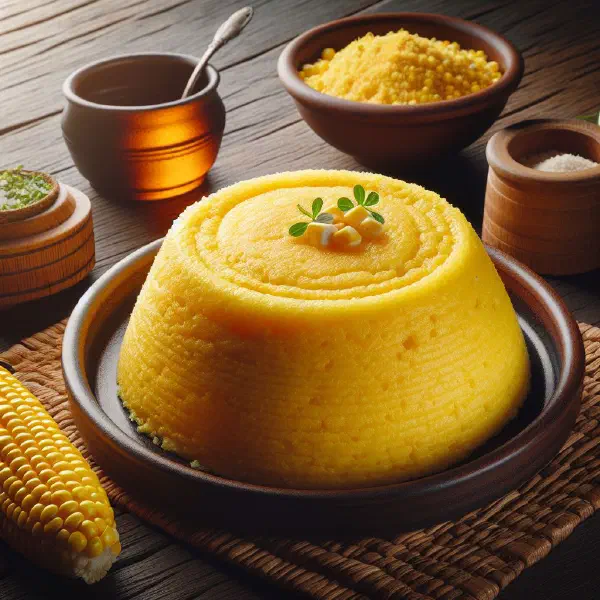
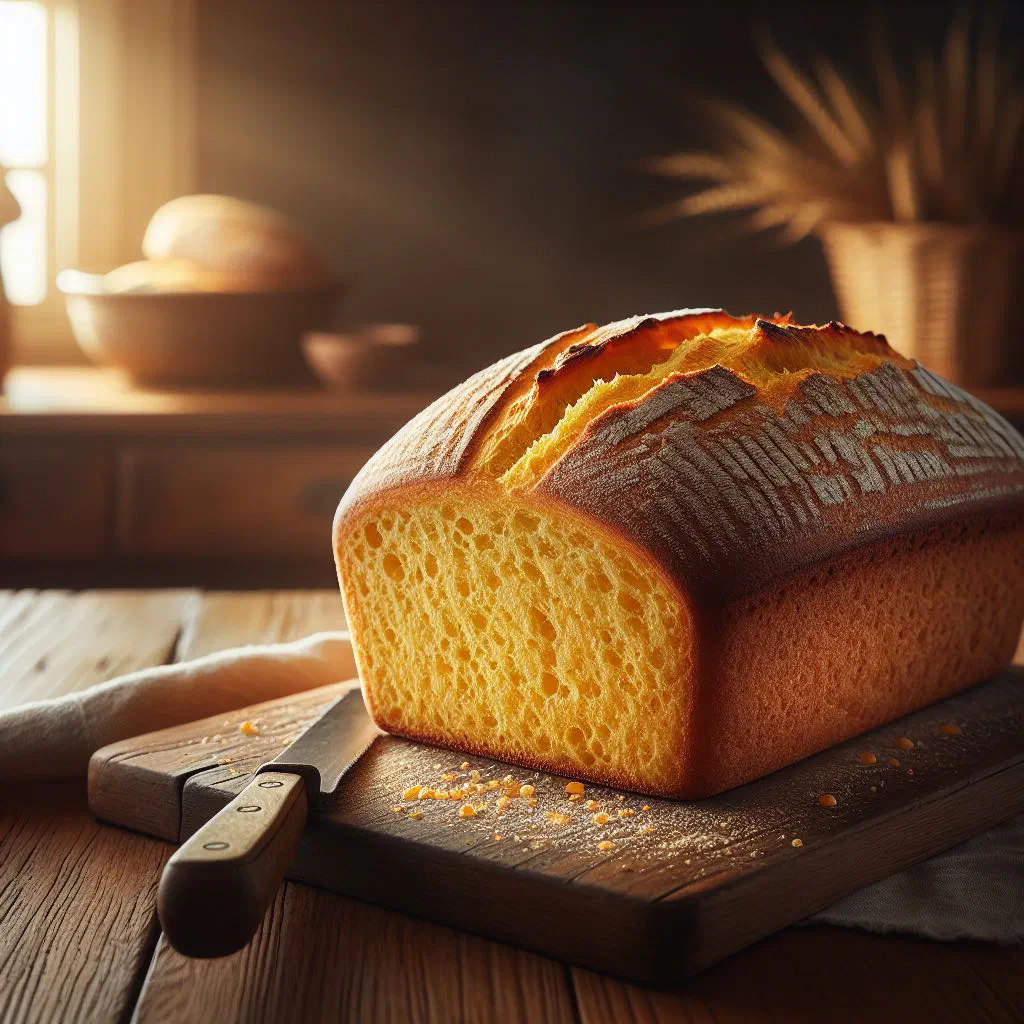
Say hello to Pão de Milho, the humble cornbread that sits at the heart of Cape Verdean home cooking. Made from little more than cornmeal, water and a splash of olive oil, this golden loaf carries the sun-warmed flavours of the islands in every slice. It is the kind of bread that partners just as happily with grilled fish or a rich meat stew as it does eaten on its own, still warm from the oven. Bring a taste of the mid-Atlantic archipelago straight to your own kitchen.
About Pão de Milho
Pão de Milho is a traditional cornbread that has its origins in the Cape Verde Islands. This tasty loaf reflects the cultural diversity and the gastronomic traditions of the region. The combination of local ingredients and a simple, distinctive method of preparation makes this dish something special. If you are looking for an authentic taste experience, Pão de Milho is the perfect choice, a cornerstone of everyday Cape Verdean cuisine.
Ingredients (serves 1–2)
- 200 g cornmeal
- 1 tsp salt
- 1 tsp sugar
- 2 tsp baking powder
- 300 ml water
- 1 tbsp olive oil
Shopping for the ingredients
The ingredients for Pão de Milho are easy to find in most supermarkets or in specialist African and international grocery shops. Pay particular attention to the quality of the cornmeal, as this is crucial to the texture of the finished bread. Fresh olive oil matters too, lending the loaf its warm, rounded flavour. A few extras, such as certain spices, can also be tracked down at a market for international products.
Preparing the dish
Before you start, weigh out all the ingredients carefully and have them ready to hand. A clean, tidy work surface makes the whole process far easier. It is also worth keeping your utensils, a bowl, a whisk and a baking tin, within easy reach. That way you can work smoothly from start to finish and avoid any unnecessary delays.
Step-by-step instructions
- Preheat the oven to 180°C.
- In a large bowl, combine the cornmeal, salt, sugar and baking powder well.
- Add the water and the olive oil to the mixture.
- Stir everything thoroughly until you have a smooth, homogeneous batter.
- Pour the batter into a greased baking tin.
- Bake the bread for around 30–35 minutes, or until golden brown.
- Once baked, remove the bread from the oven and let it cool a little before slicing.
Gluten-free / lactose-free version
Pão de Milho is naturally gluten-free, since it is made with cornmeal, which makes it a wonderful choice for anyone with a gluten intolerance. If you want to keep it lactose-free as well, simply use a plant-based oil rather than butter or margarine. Do double-check that the remaining ingredients are certified gluten-free to guarantee a safe meal for everyone at the table.
Tips for vegans and vegetarians
The recipe for Pão de Milho is already vegan, as it contains no animal products at all. That makes it an ideal option for anyone following a plant-based diet. Feel free to adapt it to your liking by using different sugar-free sweeteners or adding extra herbs for more flavour. A blend of unrefined cane sugar and agave syrup can also be used to fine-tune the sweetness to your taste.
More tips and tricks
For an especially light, airy loaf you can add a little dried yeast alongside the baking powder. Add the ingredients gradually and mix them well as you go. If the batter seems too dry, work in a touch more water or oil until it loosens. Using good-quality ingredients throughout is the surest way to get the best results.
Adapting the recipe to your taste
You might add spices such as caraway or paprika, for example, to give the bread an interesting twist. Stirring in some grated cheese lends a lovely savoury note, much like the corn-rich Pastel De Milho. For a sweeter version, simply fold through some dried fruit or nuts.
Ingredient substitutions
If cornmeal is not available, you can also use oat flour or rice or buckwheat flour, though this will change the texture of the bread. In place of sugar, honey or another sweetener works well. For even more aroma, try refined oils such as sesame or coconut oil. Substitutions like these open up a whole new dimension of flavour and let you tailor the loaf to what is in your cupboard. Just as the cooks behind Papas De Milho do with their cornmeal porridge.
Drink pairing ideas
Pão de Milho pairs beautifully with a range of drinks. A fresh fruit juice or a lightly sweetened herbal tea provides a refreshing contrast. A robust red wine or a crisp white can round out the meal nicely too. For an alcohol-free option, a spiced ginger tea sits well against the mellow flavours of the bread.
Serving and presentation ideas
To present Pão de Milho attractively, slice it and arrange the pieces on an appealing serving platter. Garnish the bread with fresh herbs or marinated peppers to add a splash of colour. A small bowl of olive oil with a balsamic dressing beside the loaf adds flavour and looks inviting. The whole arrangement is sure to please your guests, especially served alongside a comforting bowl of Sopa De Milho.
A bit of history
Pão de Milho has its roots in Cape Verdean cooking, a cuisine rich in tradition. It was developed by the islanders out of a practical need to prepare nourishing, long-keeping food. Maize was one of the region’s staple crops, and so the recipe for this delicious bread came into being. Today it enjoys great popularity and remains a fixture of many meals across the islands and beyond, sitting comfortably alongside cornmeal classics such as Cuscuz De Milho and Xerem.
More recipe ideas
Summary: Pão de Milho
Pão de Milho is a delicious, traditional cornbread that is easy to make and open to countless adaptations. With just a handful of simple ingredients you can create a nourishing, flavourful loaf that is sure to go down well with your guests. Its flavours will stay with you and your loved ones. Give this recipe a try and discover the culinary specialities of Cape Verde.