National Dish Central African Republic: Beignets de Manioc (Recipe)
In this article
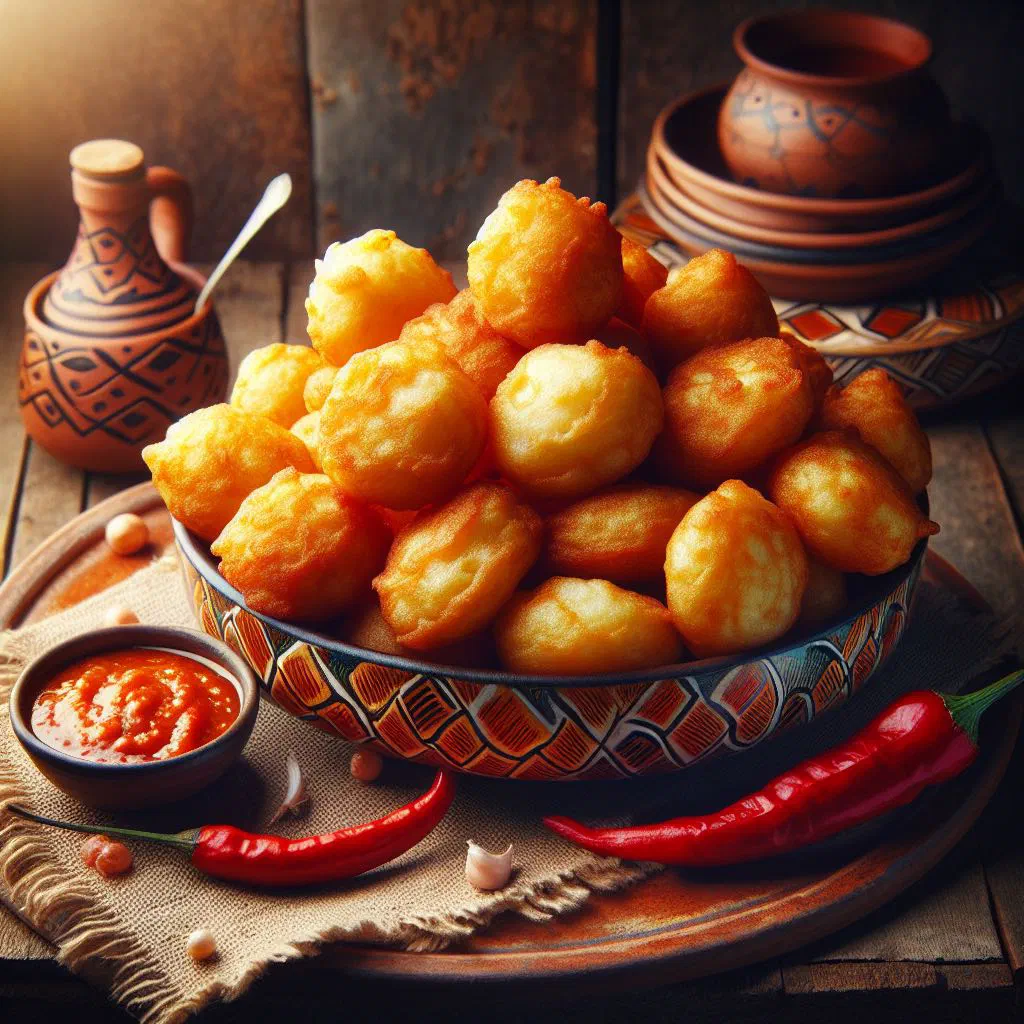
Crisp on the outside, soft and gently nutty within, Beignets de Manioc are one of the great little pleasures of Central African cooking. These fried cassava balls need barely a handful of store-cupboard ingredients, yet they deliver the kind of moreish crunch that empties a plate in minutes. Serve them as a snack, a nibble with drinks or a side to a saucy stew, and you bring a genuine taste of Central Africa to your own table.
About Beignets de Manioc
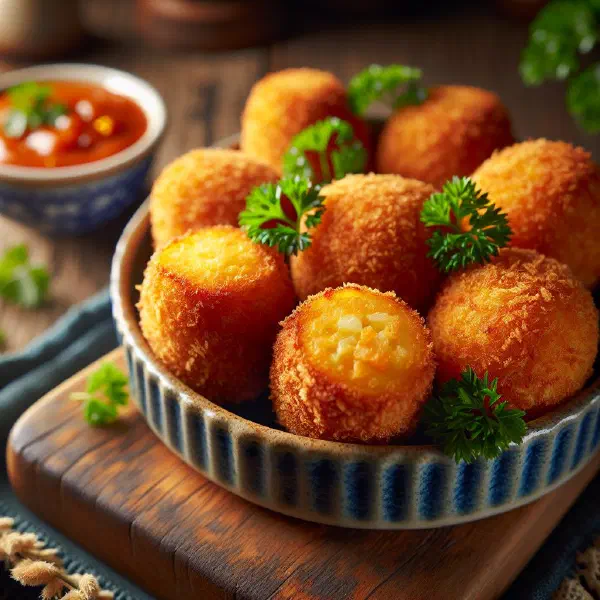
Beignets de Manioc are a traditional dish of the Central African Republic, made from cassava flour. These savoury little balls are prized for their crisp texture and their versatile flavour, working equally well as a snack or as a delicious side dish. Prepared with fresh ingredients, they reflect the culinary variety of the region and its deeply rooted traditions. The dish is straightforward to make and brings a piece of African culture straight to your table.
Ingredients (serves 1–2)
- 1 cup cassava flour
- 1/2 cup water
- 1/4 teaspoon salt
- Oil for deep-frying
- Optional: spices (e.g. pepper, garlic powder)
Shopping for the ingredients
When shopping for Beignets de Manioc, make sure you buy fresh cassava flour, since it forms the whole foundation of the dish. Many Asian and African grocers stock good-quality cassava flour. The cost of the ingredients is generally very low, which makes this both an economical and a tasty choice. Beyond the basics, you can add whatever spices take your fancy to tune the flavour to your own liking, the same well-stocked shelf will also cover you for Chips de Manioc.
Preparing the dish
Preparing Beignets de Manioc is simple and takes only a few steps. Start by combining the cassava flour in a bowl with the water and salt, stirring until you have a smooth, even mixture. This is also the moment to work in your preferred spices to deepen the flavour. Let the mixture stand briefly so it can swell: the ingredients bind together properly and the balls hold their shape later on.
Step-by-step instructions
- Combine the cassava flour, water and salt thoroughly in a bowl.
- Leave the mixture to swell for a few minutes.
- Heat the oil in a pan until it is properly hot.
- With damp hands, shape small balls and lower them carefully into the hot oil.
- Fry until golden brown, then drain on kitchen paper.
Gluten-free / lactose-free version
Beignets de Manioc are naturally gluten-free and lactose-free, since they consist of nothing more than cassava flour and water. That makes them an ideal choice for anyone with a gluten intolerance or lactose intolerance. Even so, it is worth checking that no additional ingredients sneak in that might contain gluten or lactose. Keep it simple and the dish stays perfectly enjoyable for everyone at the table.
Tips for vegans and vegetarians
Beignets de Manioc are an excellent snack for vegans and vegetarians, as they contain no animal products whatsoever. To make them more nourishing still, work grated vegetables such as courgette or carrot into the mixture. This adds nutrients and gives the fritters an appealing flecked look. For seasoning, fresh herbs such as parsley or coriander bring the whole thing to life, a trick that works just as well with Croquettes d’Igname.
More tips and tricks
To make Beignets de Manioc even crisper, make sure the oil is at the right temperature before the balls go in; too cool and they will turn greasy. You can also bake them in the oven rather than deep-frying them for a lighter version. Experiment with different spices to create your own signature flavour, and fry in small batches so the oil temperature never drops too far.
Adapting the recipe to your taste
Beignets de Manioc adapt easily to personal preference. Use different spices to vary the flavour, or add cheese for a richer, more tender variation if you like. Play with other additions too, to achieve different textures and taste directions. The one constant should be the cassava flour base, since that is what defines the character of the dish.
Ingredient substitutions
If you have no cassava flour to hand, try swapping it for rice flour or chickpea flour. These alternatives bring a flavour and texture very much of their own, so expect a different result rather than an identical one. For frying, you can reach for coconut oil or olive oil instead of standard cooking oil, both of which give delicious results. Experiment with the combinations to find out which one works best for you.
Drink pairing ideas
Plenty of drinks go beautifully with Beignets de Manioc. A refreshing sparkling drink or a fruity juice such as Jus de Gingembre makes a perfect partner. Traditionally, a strong beer or African tea is served alongside, both of which underline the flavour of the fritters and add to the authenticity of the meal. Pair the food with whichever drink appeals to you most to round off the experience.
Serving and presentation ideas
For an appealing presentation, arrange the fritters in a rustic basket or on a brightly coloured plate. Garnish with fresh herbs or a dipping sauce to add extra colour and flavour. Small portions served in individual bowls also create a convivial, sharing atmosphere. Creative presentation turns the food into something of an occasion and invites everyone to dig in.
A bit of history
The origins of Beignets de Manioc lie in the traditional cooking of the Central African Republic. Cassava is valued as a staple food across many African countries and therefore plays a central role in the local diet. This dish shows the creative possibilities that can emerge from such simple ingredients, and is a fine example of the variety within Central African cuisine. With every bite you taste the flavour and the history and tradition behind the dish.
More recipe ideas
Summary: Beignets de Manioc
In short, Beignets de Manioc are a delicious, easy-to-make dish that represents the culinary variety of the Central African Republic superbly. They make a great snack and can be adapted however you please. With a handful of ingredients and a little creativity, you can turn these crisp little balls into something genuinely memorable. Dive into African food culture and enjoy the singular flavour of this traditional treat.