National Dish Central African Republic: Boulettes de Viande (Recipe)
In this article
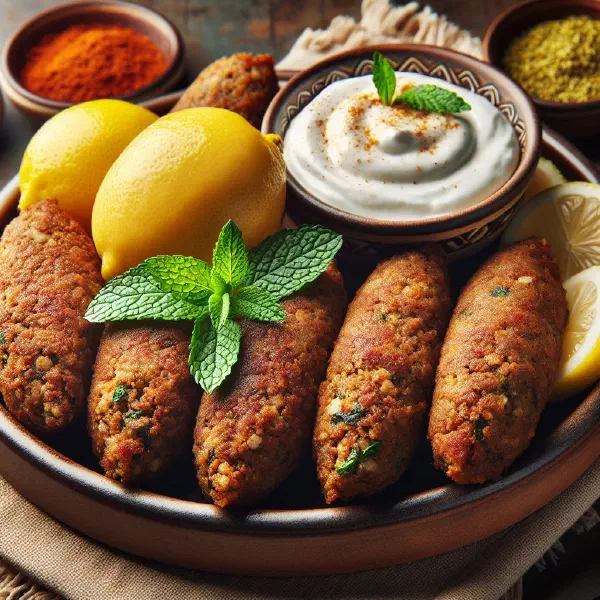
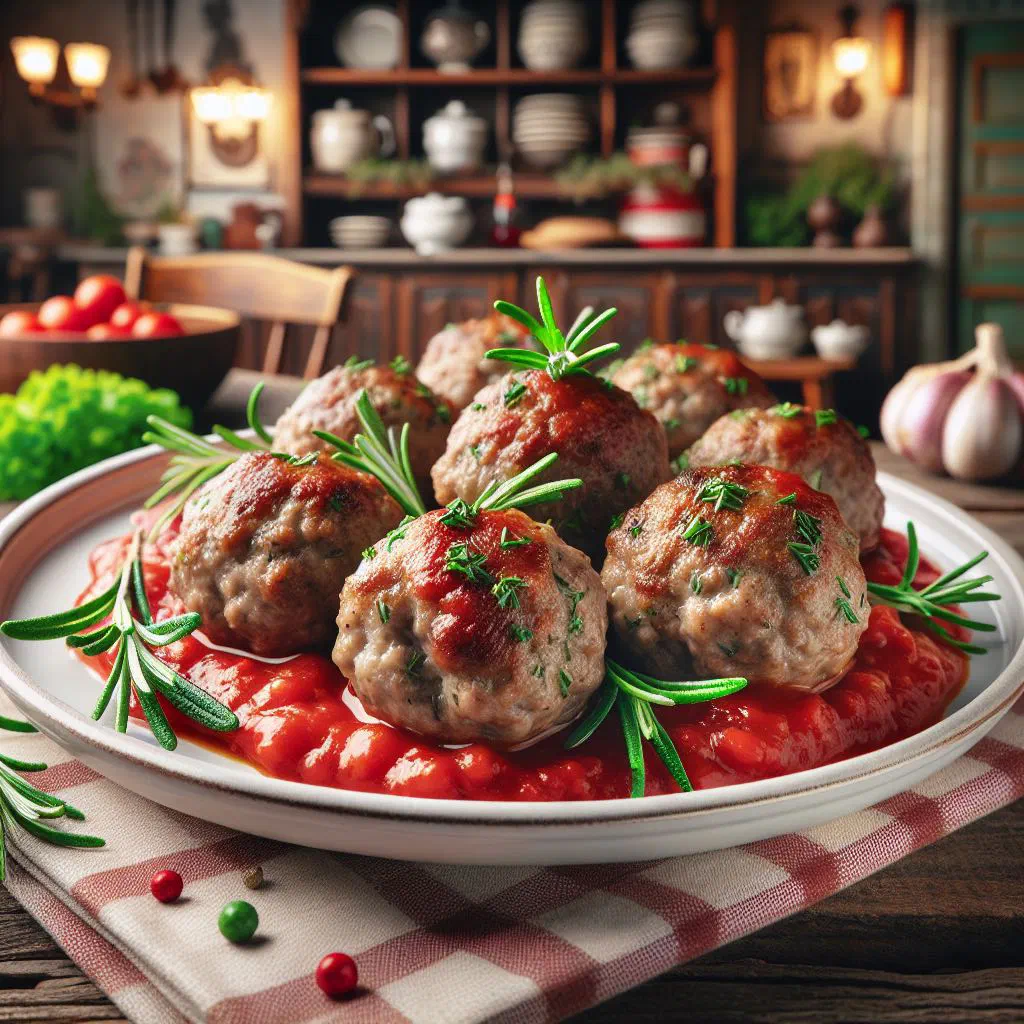
Say hello to Boulettes de Viande, the juicy spiced meatballs that Central African cooks turn to whenever there is something worth celebrating. Minced meat is worked together with onion, garlic and warm spices, then rolled into neat little rounds and fried until deeply golden. Served with a savoury sauce or simply with a scattering of fresh herbs, they are the kind of homely, generous food that fills a table and empties a plate in minutes.
About Boulettes de Viande
Boulettes de viande are classic meatballs held in high regard right across Central Africa. They are built from a mixture of minced meat, spices and herbs that gives them their unmistakable savoury character. More often than not they arrive at the table with a sauce that carries the flavours even further. In many Central African households they are a firm favourite, prepared especially for festive occasions and family gatherings alike.
Ingredients (serves 1–2)
- 250 g mixed minced meat
- 1 small onion, finely chopped
- 2 garlic cloves, crushed
- 1 tsp paprika
- 1 tsp ground cumin
- 1 egg
- Salt and pepper to taste
- 1 tbsp oil for frying
- Optional: fresh herbs such as parsley or coriander
Shopping for the ingredients
For boulettes de viande it pays to use fresh ingredients, as they make all the difference to the finished flavour. Head to a local market or a well-stocked supermarket to gather everything you need. Choose good-quality minced meat above all, since it forms the backbone of the dish. Fresh herbs are worth picking up too. They lift the meatballs considerably and cost very little.
Preparing the dish
Before you start shaping your boulettes, take a few minutes to get everything ready. Chop the onion and garlic finely so they distribute evenly through the meat rather than sitting in stubborn lumps. Line up the spices, paprika and cumin, so you can work without breaking off mid-mix. It also helps to lay out a sheet of baking parchment where the shaped meatballs can rest until the pan is hot.
Step-by-step instructions
- In a large bowl, combine the minced meat, chopped onion, crushed garlic, egg and spices thoroughly.
- Knead the mixture firmly until it comes together as a smooth, even mass; moisten with a splash of water if it feels dry.
- Roll the mixture into small balls, roughly the size of a walnut.
- Heat the oil in a frying pan and brown the boulettes on all sides.
- Lower the heat to medium and let them cook through for about 10 minutes.
Gluten-free / lactose-free version
Boulettes de viande are naturally gluten-free and lactose-free, provided you keep gluten-containing ingredients and lactose out of the mixture. If you want an extra binder, gluten-free breadcrumbs or ground oats do the job neatly. Check your spice blends as well, since some carry gluten-containing additives. That way you can enjoy this dish without giving your dietary needs a second thought.
Tips for vegans and vegetarians
Although boulettes de viande are traditionally made with meat, a vegan version works beautifully. Swap the mince for a mixture of chopped mushrooms, chickpeas or lentils, much as you would for the vegetable-led Caviar de Legumes. Getting the texture and seasoning right matters here, otherwise the balls will fall apart in the pan. Add plant-based binders such as linseed or chia seeds if the mixture needs help holding together.
More tips and tricks
To get the very best from your boulettes, a few habits are worth adopting. Handle the mixture lightly and avoid overworking it, so the meatballs stay tender and juicy. Play with different spices and herbs until you land on a blend that feels like yours. It is also good practice to fry a small test piece of the mixture before shaping the rest. That way you can adjust the seasoning while there is still time.
Adapting the recipe to your taste
Everyone has their own preferences, and boulettes de viande take kindly to adjustment. Use whichever meat you favour, whether beef, lamb or poultry. The spices can be dialled up for heat or held back for something gentler, much like the seasoning in a slow-cooked Ragout de Chevre. Tailor the recipe to your own palate and you will end up with a slightly different dish each time you make it.
Ingredient substitutions
If you do not have everything to hand, plenty of alternatives will serve. Instead of mixed minced meat, pure beef mince or minced chicken works just as well. Spring onions or shallots stand in nicely for regular onions and shift the flavour in an interesting direction. Be inventive with spice blends too, a peanut-rich sauce in the style of Sauce Pistache makes an excellent partner for the finished boulettes.
Drink pairing ideas
Choosing the right drink is what turns a good plate of food into a proper meal. Boulettes de viande go wonderfully with fresh non-alcoholic options such as elderflower cordial topped up with sparkling water, or a tart hibiscus infusion like Jus de Bissap. If you prefer something alcoholic, dry red wines and crisp white wines both make good company. Try a few combinations and see which flatters your meatballs most.
Serving and presentation ideas
How you present the dish makes a real difference to the eating experience. Arrange the boulettes on a handsome plate and garnish with fresh herbs such as parsley or coriander for colour and fragrance. A generous sauce or a crisp salad on the side adds to the appeal, and a starchy accompaniment such as Manioc Braise rounds the plate out nicely. A little care with the arrangement goes a long way towards impressing your guests.
A bit of history
Boulettes de viande have a long tradition within Central African cuisine. Their use of spices and herbs reflects the many cultural influences that have shaped the region’s cooking over the centuries. Originally they were made as a filling family dish, combining good nutrition with genuine flavour at modest cost. Today they are enjoyed far beyond Central Africa and have found an appreciative audience internationally.
More recipe ideas
Summary: Boulettes de Viande
Boulettes de viande are a flavourful, adaptable option that bends easily to personal taste. With a handful of straightforward steps you can put a traditional Central African dish on the table that is as nourishing as it is delicious. The possibilities are close to endless and the result is always distinctive. Give your creativity free rein and enjoy every last one.