National Dish Central African Republic: Dongo-Dongo (Recipe)
In this article
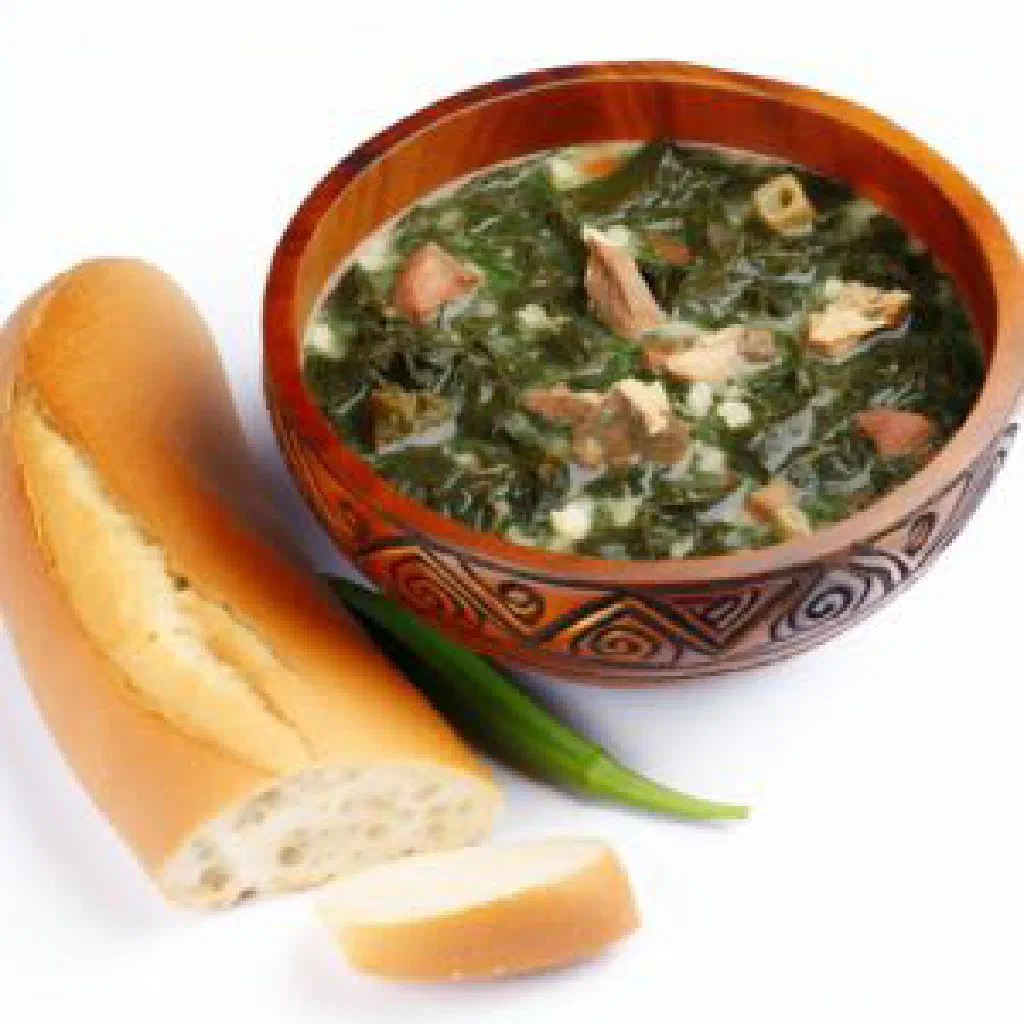
Meet Dongo-Dongo, a wonderfully simple green stew from the Central African Republic that proves how much flavour a handful of everyday ingredients can carry. Tender leafy greens are softened in oil with onion and garlic, then finished with roasted peanuts and a warm dusting of spice. It is quick, nourishing and naturally plant-based, the kind of everyday cooking that has fed families for generations, and an easy way into a cuisine you may not know yet.
About Dongo-Dongo
Dongo-Dongo is a national dish of the Central African Republic and a fine example of the breadth of African cooking. It is built around substantial leafy greens, usually enriched with peanuts and a handful of spices. You will meet the dish in many different versions, each region guarding its own small secrets. Preparing Dongo-Dongo is straightforward, and it offers a genuine taste of traditional African home cooking.
Ingredients (serves 1–2)
- 500 g fresh leafy greens (spinach or chard, for example)
- 100 g peanuts, roasted and roughly chopped
- 1 onion, chopped
- 2 cloves of garlic, chopped
- 1 teaspoon paprika, or other spices of your choice
- Salt and pepper to taste
- 2 tablespoons vegetable oil
Shopping for the ingredients
When shopping for Dongo-Dongo, choosing fresh leafy greens matters most, since they form the whole base of the dish. Local markets tend to offer the best selection, and they are often the place to find the freshest peanuts too. Look for unsalted peanuts so you keep full control over the seasoning. The remaining ingredients, onions and garlic, are easy to come by and give Dongo-Dongo its savoury backbone.
Preparing the dish
To prepare the dish, start by washing the greens thoroughly and cutting them into bite-sized pieces. Chopping the onion and garlic in advance speeds the whole process along nicely. Do not forget to chop the peanuts roughly, as they lend the dish both a distinctive aroma and a welcome crunch. Good groundwork means you can cook smoothly and efficiently once the pan is hot.
Step-by-step instructions
- Heat the vegetable oil in a large pan over a medium heat.
- Add the chopped onion and garlic and fry until golden brown.
- Tip the prepared leafy greens into the pan and stir well.
- After 5–7 minutes, add the chopped peanuts and the spices and cook everything together for a further 5 minutes.
- Season to taste with salt and pepper and serve hot.
Gluten-free / lactose-free version
Dongo-Dongo lends itself beautifully to a gluten-free and lactose-free diet. Every ingredient in the dish is naturally free from gluten. When buying peanuts and oils, simply check that no hidden gluten-containing additives have crept in. The dish is a particularly good option for anyone with food intolerances who still wants a genuinely delicious meal.
Tips for vegans and vegetarians
For vegans and vegetarians, Dongo-Dongo is a perfect choice, since it is plant-based from the outset. Just make sure the oils and spice blends you use are vegan, which is rarely a problem. If you would like to add extra protein, tofu or chickpeas fold in easily. Both options enrich the dish and make it more sustaining, much as they do in a hearty Koko a la Sauce d’Arachide.
More tips and tricks
A few extra tricks help intensify the aroma of Dongo-Dongo. Experiment with spices such as turmeric or cumin to give the dish your own signature. Adding fresh chilli brings a pleasant heat, depending on how you like it. Mixing several kinds of leafy green together also creates an interesting range of flavours, in the spirit of the greens-based Fumbwa.
Adapting the recipe to your taste
Adapting the recipe to personal preference could hardly be easier. Bring in whatever local vegetables are around to keep things seasonal and regional. You can also adjust the quantity of peanuts to strengthen the flavour as much as you like. Vary the cooking time to leave the greens either firmer or softer, depending on whether you prefer them with bite or thoroughly tender.
Ingredient substitutions
If you cannot find suitable leafy greens, kale or rocket make good alternatives. In place of peanuts, cashews or almonds deliver a fairly similar texture and taste, nuts also do much of the work in Ngunja aux Arachides. Experimenting with different spices can likewise lead to new discoveries. Give your creativity free rein and build your own perfect Dongo-Dongo.
Drink pairing ideas
Dongo-Dongo goes splendidly with African beers or a light wine such as a Sauvignon Blanc. If you prefer something alcohol-free, freshly pressed juices or herbal teas work well, and a chilled Jus de Bissap is a natural match. Choose drinks that support the flavours of the dish rather than overwhelming them. A simple sparkling water with lemon is refreshing alongside it too.
Serving and presentation ideas
Thoughtful presentation can lift the experience of Dongo-Dongo considerably. Serve the dish in an attractive bowl and garnish it with fresh herbs such as coriander or parsley. A scattering of roasted peanuts on top adds both crunch and a pleasing contrast in colour. A little care with the plating makes the meal a visual pleasure as well as a tasty one.
A bit of history
Dongo-Dongo has an interesting history rooted deep in the culture of the Central African Republic. The dish reflects the way of life and the culinary traditions of people who have long valued local, sustainable ingredients. The use of peanuts is regional too, as they play an important part in the diet there. Over the centuries the recipe has evolved, with each region adding its own variation to the wider story of Central African cuisine.
More recipe ideas
Summary: Dongo-Dongo
In short, Dongo-Dongo is a fascinating dish that is not only tasty but genuinely good for you. The combination of fresh leafy greens, peanuts and spices creates a harmonious, well-balanced result. It is simple to prepare and endlessly adaptable. Taste the magic of Central African cooking for yourself and enjoy Dongo-Dongo at your next meal.