National Dish Central African Republic: Fish Bouillon (Recipe)
In this article
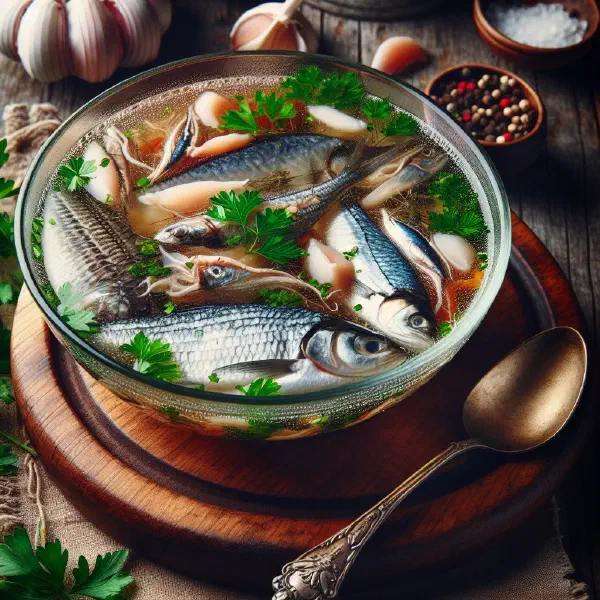
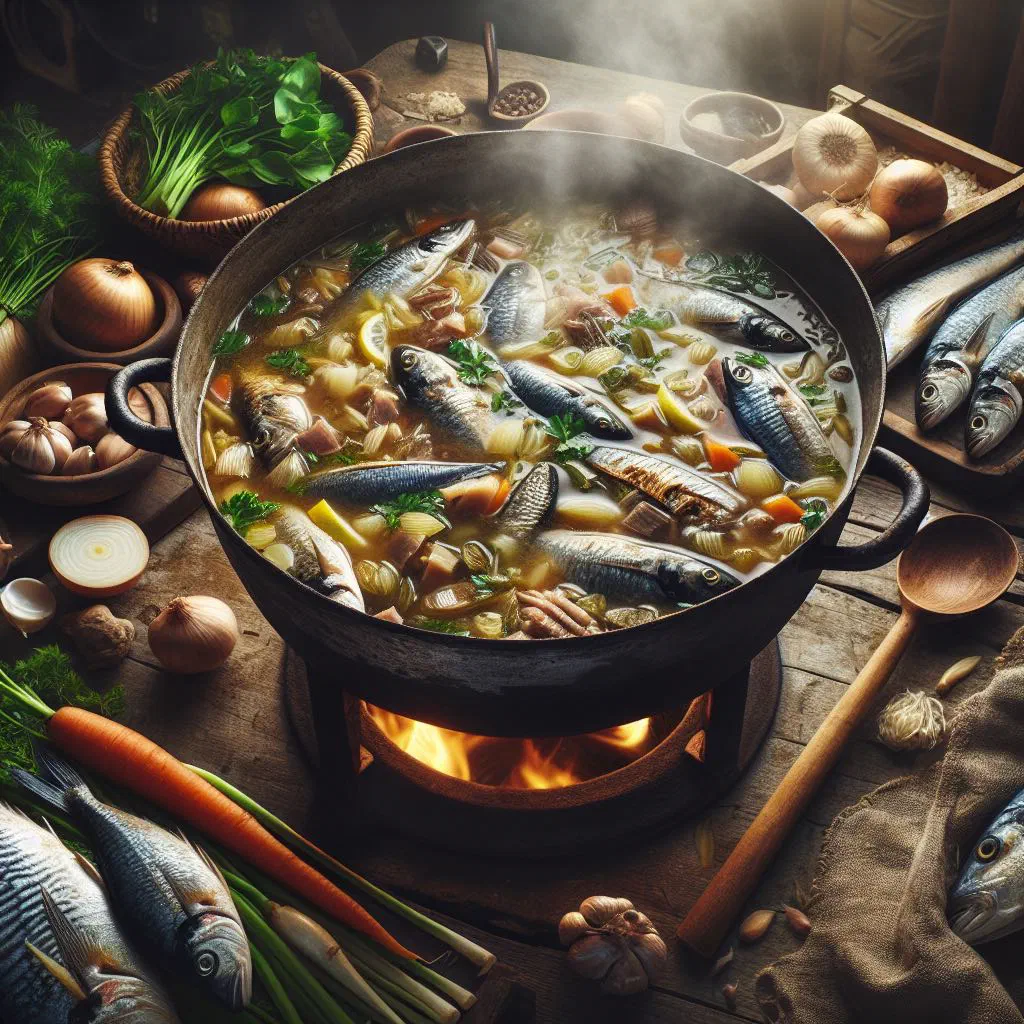
Discover the national dish of the Central African Republic: Bouillon de poisson. This fragrant fish broth brings together freshly caught fish, garden vegetables and a warm blend of spices to create something genuinely memorable. It is the kind of bowl that draws people to the table, light enough for a weekday supper, generous enough for a gathering of friends. One spoonful and you are tasting the rivers and markets of Central Africa.
About Bouillon de Poisson
Bouillon de poisson is a traditional dish from the Central African Republic that embodies the country’s cultural variety and its long-standing harvest traditions. This aromatic fish dish combines fresh ingredients such as river fish, vegetables and a generous handful of spices. Together these elements create a deeply flavoursome experience, perfect for sociable occasions or as a warming family meal. Preparing this dish offers a wonderful chance to experience the flavours of Africa.
Ingredients (serves 1–2)
- 300 g fresh fish (tilapia or perch, for example)
- 1 onion, chopped
- 2 tomatoes, diced
- 1 carrot, sliced
- 2 garlic cloves, finely chopped
- 1 litre fish stock
- 1 teaspoon paprika
- Salt and pepper to taste
- Fresh herbs (coriander or parsley), to garnish
Shopping for the ingredients
To make an authentic bouillon de poisson, buying fresh ingredients matters enormously. Visit a local fishmonger or a good wholefood shop to pick out the best fish available. Make sure the fish is genuinely fresh and of good quality, as this has a decisive effect on the flavour of the finished dish. The other ingredients, the vegetables and spices, should be just as fresh so that the full depth of flavour comes through, exactly as it does in a classic Soupe de Poisson.
Preparing the dish
The groundwork for your bouillon de poisson is simple and makes the whole process a pleasure. Begin by washing the vegetables and cutting them into the shapes you want. Chop the onion and the garlic finely to release their aromas. These small preparations keep the cooking running smoothly and mean you can put a delicious dish on the table in very little time.
Step-by-step instructions
- Heat a large pot over medium heat and add a little oil.
- Add the chopped onion and garlic and sauté until softened.
- Tip in the diced tomatoes and the sliced carrot and continue cooking until the vegetables have softened slightly.
- Pour in the fish stock and bring everything to the boil.
- Add the fish and the paprika. Let it simmer for around 10 minutes, until the fish is cooked through.
- Season with salt and pepper and garnish with fresh herbs.
Gluten-free / lactose-free version
Bouillon de poisson is naturally gluten-free and lactose-free, which makes it an excellent choice for anyone with intolerances. Do check that the stock you use is also labelled gluten-free, so you can be certain the dish contains no unexpected ingredients. Reading the labels when you buy your stock is a small step that guarantees worry-free eating.
Tips for vegans and vegetarians
Although the traditional bouillon de poisson contains fish, the recipe adapts easily to a vegan or vegetarian diet. Swap the fish for tofu or seitan to achieve a comparable flavour and texture. An intense vegetable or seaweed note can be introduced with kombu or other plant-based ingredients. Restrained spicing and plenty of fresh herbs give the bowl a distinctive character without any animal products, much as they do in Caviar de Legumes.
More tips and tricks
To get the very best from your bouillon de poisson, experiment with different spices and herbs. A little chilli, for instance, adds a welcome heat. Take care not to overcook the vegetables so they keep their texture and colour. And do not underestimate presentation, a well-served bowl lifts the whole culinary experience.
Adapting the recipe to your taste
Everyone’s palate is different, and bouillon de poisson leaves plenty of room for adjustment. If you want more vegetables, add whatever you fancy, broccoli or peppers work particularly well. Depending on your preference you can also vary the type of fish or try different stocks to create a flavour that is entirely your own. Adaptations like these make the dish unique and thoroughly satisfying.
Ingredient substitutions
Not every ingredient is easy to find, so it helps to have alternatives to hand. Instead of tilapia or perch you can use other fish such as cod or trout, the same flexibility that works so well in Poisson Braise. For a vegetarian version, replace the fish stock with an aromatic vegetable stock. That way you stay flexible and can adapt the dish to whatever your kitchen offers.
Drink pairing ideas
A number of drinks suit a good bouillon de poisson. A light white wine such as a Sauvignon Blanc complements the flavour of the fish perfectly. Alternatively, reach for a chilled ginger ale, which adds a fresh, lively note. For an alcohol-free option, sparkling water with lemon is wonderfully refreshing and sits well alongside the dish.
Serving and presentation ideas
Presentation plays an important part in any meal. Serve the bouillon de poisson in deep bowls that show off the freshness and aroma of the broth. Garnish generously with fresh herbs and a touch of lemon for an extra flash of colour. Consider using brightly coloured crockery too, to underline the vivid tones of the ingredients and make the dish as pleasing to the eye as it is to the palate.
A bit of history
Bouillon de poisson has a long history in the Central African Republic and reflects the culinary tradition of the region. Fish dishes are widespread across many African cultures because they are straightforward to prepare and provide a valuable source of protein. The use of fresh, local ingredients mirrors the geography and the influence of the various ethnic groups living in the area. This bowl is a prime example of the variety found in Central African cuisine.
More recipe ideas
Summary: Bouillon de Poisson
Bouillon de poisson is far more than a simple fish dish; it is a culinary experience that gathers up the flavours and traditions of the Central African Republic. With fresh ingredients and a straightforward method, it suits any occasion. This dish will certainly impress. Enjoy the flavours of Africa and give this timeless recipe a try.