National Dish Central African Republic: Fufu (Recipe)
In this article
Discover Fufu, the national dish of the Central African Republic. Made from little more than cassava or yam and a pinch of salt, it turns humble roots into a soft, pillowy staple that soaks up sauces beautifully. It is the kind of food that brings people around one shared bowl, and it asks for nothing more complicated than a pan of water and a little patience. Bring a piece of African cooking straight into your own kitchen.
About Fufu
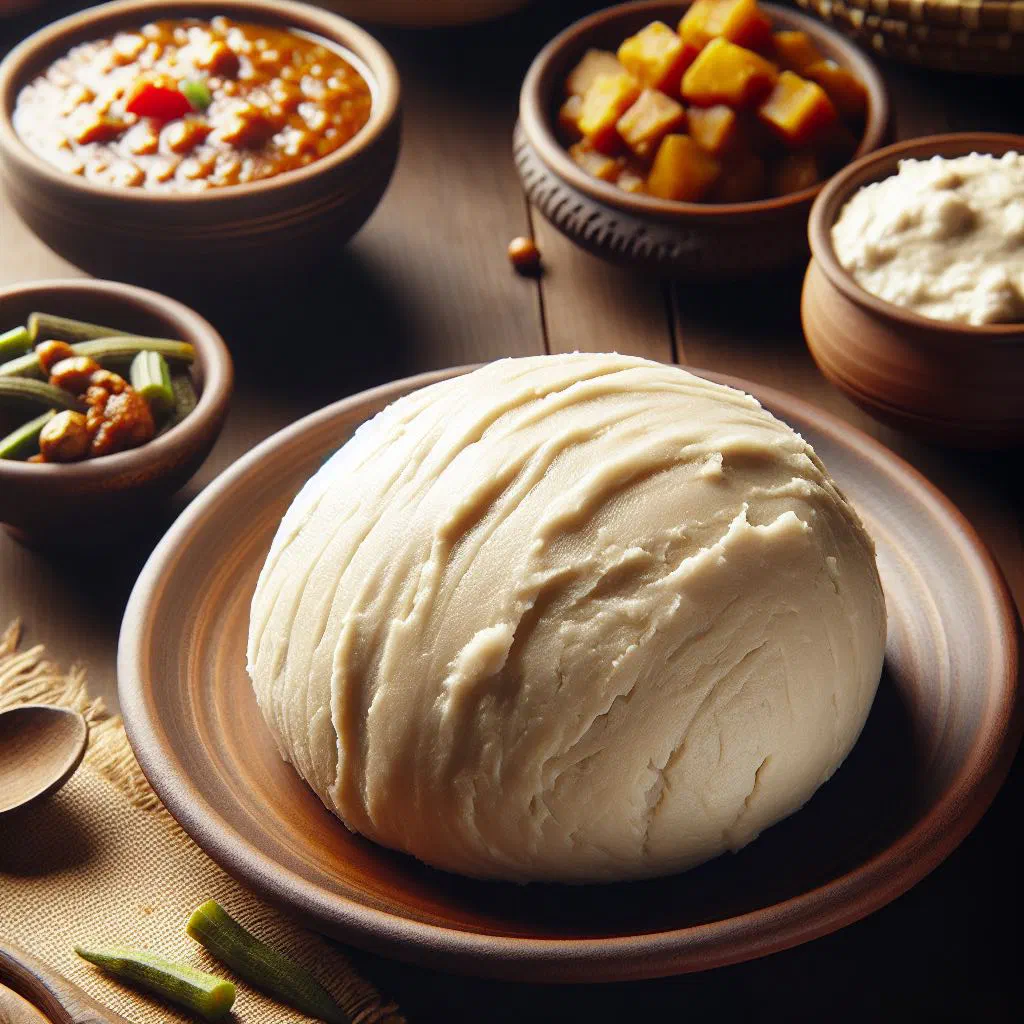
Fufu is a hearty national dish of the Central African Republic, made from cassava or yam. It has a soft, smooth consistency that makes it the ideal partner for all sorts of meat and vegetable dishes. Fufu is most often served as a side, and it complements the flavours of a main course wonderfully. The recipe is simple to follow and a marvellous way to bring a slice of African culture into your own cooking.
Ingredients (serves 1–2)
- 500 g fresh cassava or yam
- A pinch of salt
- Water, as needed
Shopping for the ingredients
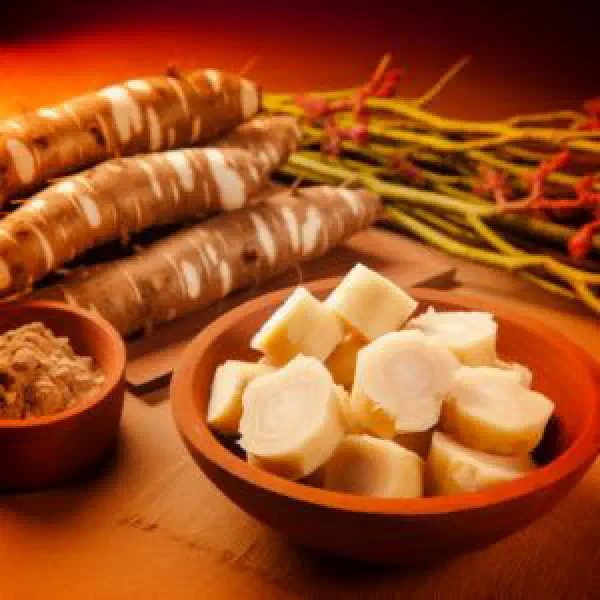
When shopping for fufu, it is important to choose fresh cassava or yam, since these form the very base of the dish. What you find in a local supermarket or at the market will vary from region to region. Look for roots that feel firm and are free of blemishes, as this is a good sign of freshness. For anyone who needs to avoid gluten or lactose, fufu is an excellent option, because it is naturally gluten-free and lactose-free.
Preparing the dish
Preparing fufu begins with a thorough cleaning of the roots. Trim off the ends and peel away the outer layer. The roots should then be cut into pieces so that they cook through evenly. Keep the pieces on the smaller side rather than the larger. This guarantees a quicker and more even cooking time, much as it does for a plate of Manioc Braise.
Step-by-step instructions
- Bring the prepared cassava or yam pieces to the boil in a large pan of water.
- Cook the roots for around 20–30 minutes, until soft.
- Drain the cooked pieces and let them cool a little in a bowl.
- Work the roots into a smooth mass with a pestle or in a food processor.
- Season with a pinch of salt to taste and keep pounding until you reach the consistency you want.
Gluten-free / lactose-free version
One of the great advantages of fufu is that it is naturally gluten-free and lactose-free. That makes the dish perfect for anyone with the corresponding intolerances. When choosing your side dishes, check that these too contain no gluten-based ingredients, so the whole meal stays safe to eat. Fufu can be paired with all manner of vegan and vegetarian dishes to suit every style of eating.
Tips for vegans and vegetarians
Fufu itself is vegan and slots easily into vegetarian or plant-based menus. Pair it with a rich vegetable sauce to make a complete meal, something in the spirit of Saka Saka works beautifully. Assorted vegetables, pulses or even nuts make fine accompaniments that satisfy on both flavour and nutrition. In this way fufu becomes more than a main course but a nourishing and varied option for everyone at the table.
More tips and tricks
To give fufu its perfect consistency, the pounding is what matters most. If you are using a food processor, take care not to run it for too long, as over-working the mixture will spoil the texture. A splash of water helps you adjust the consistency if it has turned out too stiff. It also pays to scrape the mixture down from the sides of the bowl with a spoon or spatula to avoid lumps.
Adapting the recipe to your taste
Fufu is a wonderfully adaptable dish. Depending on your preferences, you can add different seasonings to build extra layers of flavour. Try refining fufu with various herbs and spices to give it your own personal signature. The texture is in your hands too, depending on how vigorously you choose to pound or purée the roots.
Ingredient substitutions
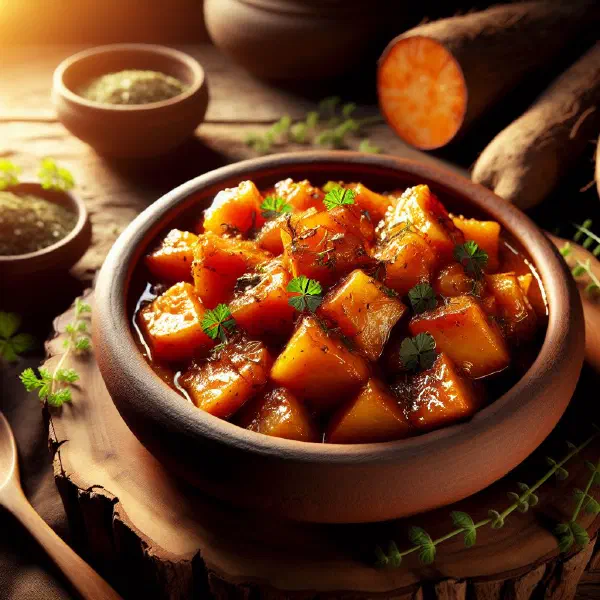
If cassava or yam are hard to come by, you can use other starchy staples such as sweet potato or plantain, the same base that gives Foutou Banane its character. These offer similar textures and can vary the dish in creative ways. Cooking times will differ, though, so it is worth checking the softness of the pieces before you start pounding. Experiment with the alternatives to enjoy fufu in new and interesting versions.
Drink pairing ideas
Refreshing drinks go splendidly with fufu. A classic African beer or a cool fruit juice complements the flavours of the meal nicely, and a glass of Jus De Gingembre adds a lively, spicy edge. Mint tea or a natural lemonade also make a lovely refreshment. The main thing is to choose the drink with care, so that it rounds off the whole culinary experience.
Serving and presentation ideas
Serving fufu can be simple and striking at the same time. Present it in a large bowl and arrange the main dishes around it. The whole arrangement can be finished with fresh herbs or edible flowers for a little visual flourish. This brings colour and life to your table and helps turn the meal into a genuine occasion.
A bit of history
Fufu has a long tradition in African cooking and is a staple food across many countries. It is the product of a culinary heritage that has developed over centuries. The method of preparation shifts from region to region, which reflects the sheer variety and cultural difference found within Africa. Fufu does more than simply fill you up: it carries real social meaning around the shared table, and it sits at the heart of Central African Republic cuisine.
More recipe ideas
Summary: Fufu
Fufu is a marvellous, versatile dish that represents the food culture of the Central African Republic. With its straightforward preparation and its many uses, it is a perfect example of African cookery. Fufu brings a flavour all of its own and opens the door to the tastes of the region. Try the recipe for yourself and let your guests dive into the world of Central African flavours.