National Dish Central African Republic: Gâteau de Manioc (Recipe)
In this article
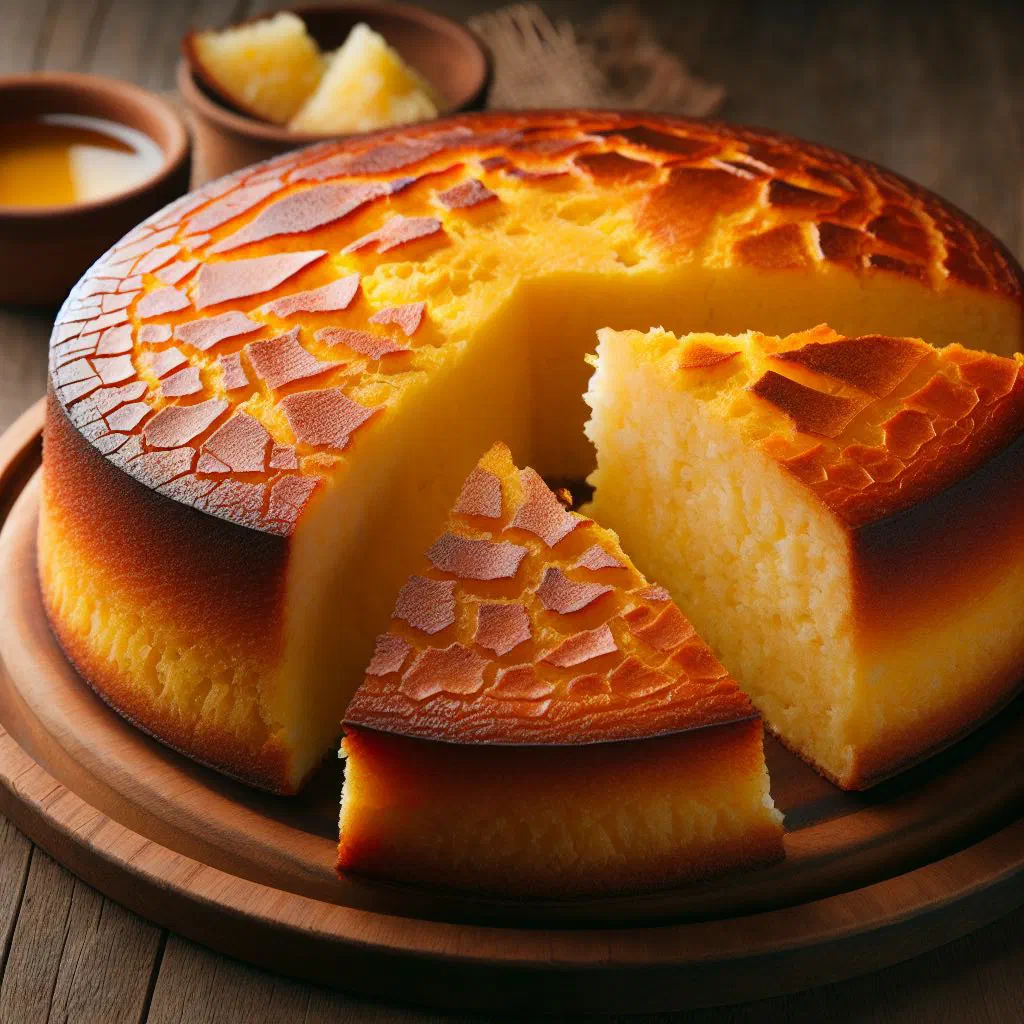
Meet Gâteau de manioc, the sweet, golden cassava cake that turns one of Central Africa’s most important staples into a proper treat. Dense yet tender, gently sweet and fragrant straight from the oven, it is the kind of bake that appears at celebrations, family gatherings and lazy afternoons alike. Best of all, it takes only a handful of everyday ingredients, and it happens to be both vegan and gluten-free without any effort at all.
About Gâteau de Manioc
Gâteau de manioc is a traditional dessert with its roots in Central African cuisine. The cake is built around cassava, one of the region’s cornerstone ingredients and a fixture in kitchens right across the continent. The combination of its delicate sweetness and its pleasantly firm, moist crumb makes it something rather special. It is often served at celebrations and remains a fixed part of local food culture, much like the savoury classics such as Kanda.
Ingredients (serves 1–2)
- 250 g cassava (raw or pre-cooked)
- 100 g sugar
- 1 teaspoon baking powder
- 1 pinch of salt
- 100 ml water
- 2 tablespoons vegetable oil
Shopping for the ingredients
The ingredients for gâteau de manioc are widely available in African and Asian grocery shops. The main component, cassava, can be bought either fresh or in dried form. Choose the freshest roots you can find to get the very best flavour, firm, unblemished and heavy for their size. In some areas you can also buy pre-cooked cassava, which makes the preparation considerably quicker.
Preparing the dish
Start by peeling the cassava thoroughly and cutting it into small pieces, which makes both cooking and mashing far easier. Simmer the pieces in a pan of water until they are soft enough to be crushed with a fork without resistance. Once cooked, let them cool properly before you carry on, warm cassava is harder to work into a smooth batter. With that groundwork done, the rest of the recipe comes together quickly.
Step-by-step instructions
- Tip the peeled, cooked cassava into a large bowl and mash it to a purée.
- Add the sugar, baking powder, salt and water, then mix thoroughly.
- Stir in the vegetable oil until you have a smooth, homogeneous batter.
- Pour the batter into a greased baking tin and level the surface.
- Bake in a preheated oven at 180°C for about 30–40 minutes, until the top is golden brown.
- Leave to cool after baking, then cut into squares and serve.
Gluten-free / lactose-free version
Gâteau de manioc is naturally gluten-free and lactose-free, since it contains neither wheat flour nor any dairy. That makes it an excellent choice for anyone living with intolerances. Simply take care when choosing your ingredients and make sure no gluten-containing extras sneak into the batter. This way you can enjoy the cake exactly as it is, without a single compromise.
Tips for vegans and vegetarians
The recipe is already vegan, as it relies solely on plant-based ingredients. You can still vary it, for example by swapping the sugar for a plant-based sweetener of your choice. This is particularly useful for anyone hoping to cut back on refined sugar. Small adjustments like these make the recipe even more versatile and welcoming to every kind of diet.
More tips and tricks
For an extra dimension of flavour, add vanilla or cinnamon to the batter. Nuts or dried fruit also work beautifully and give the cake a little more texture. Keep an eye on the consistency of the batter if you add extra ingredients. It should stay pourable rather than stiff. A few small experiments will soon lead you to your own favourite version.
Adapting the recipe to your taste
Gâteau de manioc is easy to tailor to personal preference. If you want a sweeter version, increase the sugar or use natural honey instead. For a more savoury take, add spices or herbs of your choice and serve it alongside something hearty like Poulet Braisé. Experiment freely until you have tuned the recipe perfectly to your own taste.
Ingredient substitutions
If you cannot track down fresh cassava, cassava flour makes an excellent stand-in and delivers equally delicious results. The sweetener is flexible too: agave syrup or coconut sugar both work well as gentler alternatives. Substitutions like these let you make the cake a little lighter while keeping its traditional character intact.
Drink pairing ideas
Plenty of drinks suit gâteau de manioc and complement its sweetness. Tea, rooibos or a fruit infusion in particular, pairs beautifully with this dessert. A fresh fruit juice such as mango or pineapple is another natural match; try it with a homemade Jus de Mangue. A plant-based milk such as almond drink also works nicely alongside a warm slice.
Serving and presentation ideas
Presentation can make a real difference to how the cake is enjoyed. Serve it on an attractive, colourful plate so the golden-brown surface really stands out. Decorate with fresh fruit or a light dusting of icing sugar just before it reaches the table. Small squares can also be wrapped in paper napkins and handed round as charming individual portions.
A bit of history
Gâteau de manioc has deep cultural roots in Central African cooking. Cassava itself is a mainstay of the diet in many African countries and is prepared in countless forms, from Fufu to crisp fried snacks. The recipe has been handed down across generations and reflects the traditions and resourcefulness of the region. It brings people together at celebrations, which goes a long way towards explaining its enduring popularity within Central African cuisine.
More recipe ideas
Summary: Gâteau de Manioc
Gâteau de manioc is more than just a dessert; it is a piece of Central African culture and a flavour experience well worth seeking out. With its short, straightforward ingredient list and its flexibility in the kitchen, it has something to offer everyone. This cake is guaranteed to go down well. Let the aromas and the sheer simplicity of gâteau de manioc inspire you.