National Dish Central African Republic: Goat Stew (Recipe)
In this article
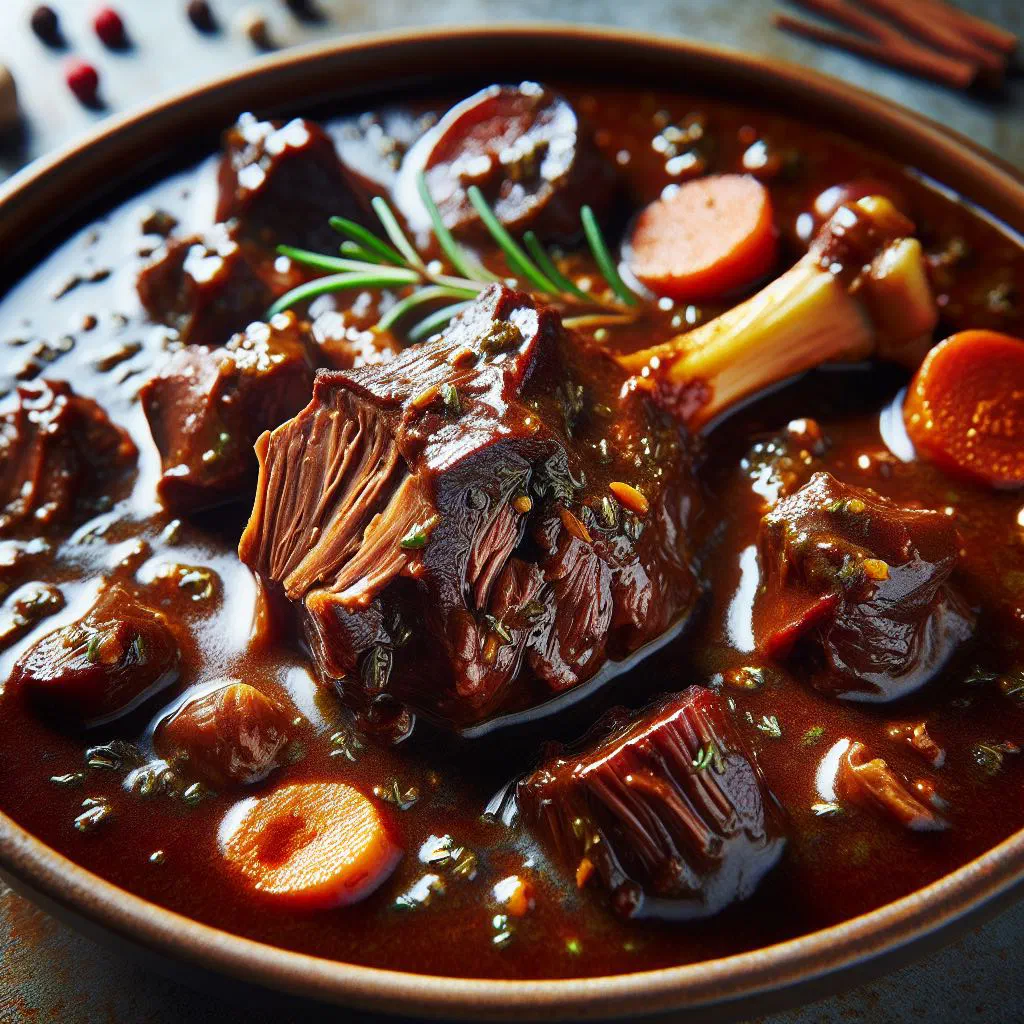
Few dishes capture the warmth of Central African home cooking quite like Goat Stew, known locally as ragout de chèvre. Tender pieces of goat are browned in hot oil, then left to simmer for hours with tomatoes, chilli and root vegetables until the meat falls apart at the touch of a spoon. It is a dish built for sharing, the sort of pot that appears at family gatherings and celebrations, filling the house with the smell of cumin and paprika long before anyone sits down to eat.
About Goat Stew
Goat Stew is a signature dish of the Central African Republic, one that satisfies as much through its deep, layered aromas as through its generosity. Goat meat, tender and full of character, is very much the star here. The dish is a pleasure at the table and a living link to African tradition. At festivities and family reunions this stew is a firm favourite, ladled out and enjoyed together from a single pot.
Ingredients (serves 1–2)
- 500 g goat meat
- 2 onions
- 2 tomatoes
- 3 cloves of garlic
- 1–2 fresh chillies
- 3 carrots
- 2 potatoes
- 1 litre vegetable stock
- Oil, for frying
- Spices (salt, pepper, cumin, paprika)
Shopping for the ingredients
When shopping for the ingredients, it pays to choose the freshest, best-quality produce you can find. A local market is the ideal place to pick up goat meat and seasonal vegetables. Make sure your spices are fresh and fragrant so the stew develops the intensity it deserves, tired, dusty spices will never give you the depth you are after. Where the budget allows, organic produce is a reliable way to guarantee the best flavours.
Preparing the dish
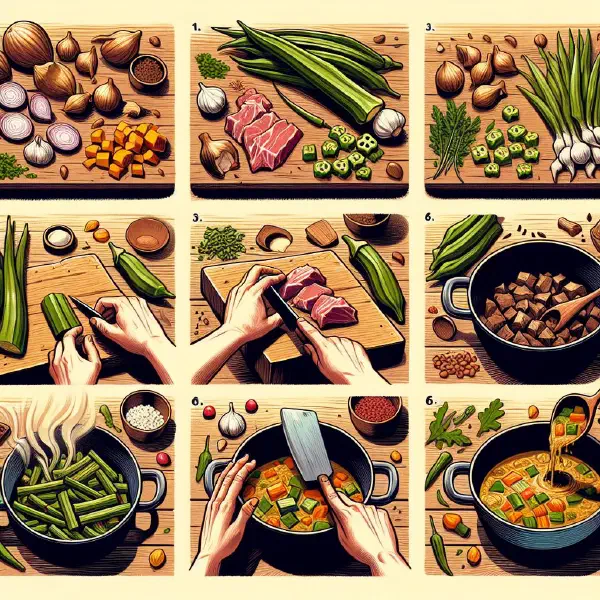
Careful preparation is what allows every flavour to come through properly. Begin by cutting the goat meat into bite-sized pieces. Next, finely chop the onions and garlic, and dice the tomatoes along with the rest of the vegetables. It is well worth laying everything out before you start cooking, exactly as you would when getting ready to make Kanda, so the process runs smoothly from start to finish.
Step-by-step instructions
- Heat the oil in a large pot and brown the goat meat until golden all over.
- Add the chopped onions and garlic and fry them alongside until translucent.
- Stir in the tomatoes and the spices and let everything bubble briefly.
- Add the remaining vegetables and the vegetable stock, then bring the mixture to the boil.
- Reduce the heat and let the stew simmer gently for around 1.5 hours, until the meat is meltingly tender.
Gluten-free / lactose-free version
Goat Stew is naturally gluten-free and lactose-free. Do check, however, that the spices and stock you use meet those requirements too. Choose a certified gluten-free stock and read the labels on any ready-mixed spice blends, which sometimes carry hidden thickeners. With those small precautions, the dish can be enjoyed without worry by anyone living with an intolerance.
Tips for vegans and vegetarians
For vegans and vegetarians there is a delicious alternative: replace the goat meat with chickpeas or firm tofu. Both take beautifully to the same spices and vegetables and give the pot plenty of aromatic depth. Swap the stock for a plant-based version and you have a meat-free meal that still speaks of the region, much in the spirit of Saka Saka, the cassava-leaf classic.
More tips and tricks
A few small touches can make the stew even better. Fresh herbs such as coriander or parsley, scattered over just before serving, bring a welcome lift of freshness. Let the pot rest off the heat for a while after cooking so the flavours settle and deepen. A squeeze of lemon juice at the last moment adds brightness and sharpens the whole dish.
Adapting the recipe to your taste
Everyone has their own preferences, and there are plenty of ways to make this stew your own. Vary the vegetables according to season and appetite, sweet potato and okra both work well. The heat is entirely up to you: more chillies for a fiery pot, fewer for something gentler. You can also reach for other local cuts of meat to discover fresh combinations of flavour.
Ingredient substitutions
There are useful substitutions to know when the cupboard is bare. Lamb stands in perfectly for goat if you want a slightly milder, sweeter result. For the liquid, a homemade vegetable stock works nicely, or you can use coconut milk to give the stew a creamier body, a trick borrowed from dishes like Sauce Graine. Adaptations of this kind keep the recipe endlessly varied.
Drink pairing ideas
When it comes to drinks, a robust red wine complements the stew’s savoury depth handsomely. A fruity homemade lemonade or a light spritz make refreshing companions too, cutting through the richness of the meat. For anyone avoiding alcohol, sparkling mineral water with lemon or herbs harmonises the flavours nicely, as does a chilled glass of Jus De Bissap.
Serving and presentation ideas
A thoughtful presentation genuinely heightens the enjoyment. Serve the stew in traditional clay pots or a handsome deep bowl, finished with a handful of fresh herbs. A side of rice or polenta on the plate provides colour contrast while soaking up all that fragrant sauce. We eat with our eyes first, so it is worth being a little creative with the plating.
A bit of history
The history of this stew runs deep in Central African culture, where goats have long been valued livestock. Traditionally, goat meat was reserved for feasts and special occasions. The dish reflects a Central African Republic cuisine shaped by regional cooking methods and natural, close-to-hand ingredients. Influences from many different cultures have shaped it over the years, and it remains a much-loved staple to this day.
More recipe ideas
Summary: Goat Stew
In short, Goat Stew is a delicious and thoroughly traditional dish from the Central African Republic, distinguished by its tender goat meat and generous use of spices. Simple ingredients and a patient, time-honoured method combine to create something genuinely memorable. Whether for a festive occasion or an ordinary weeknight supper, this dish brings a piece of African culture straight to your table. Let the aromas carry you away, and enjoy both the cooking and the eating in good company.