National Dish Central African Republic: Gombo Sauce (Recipe)
In this article
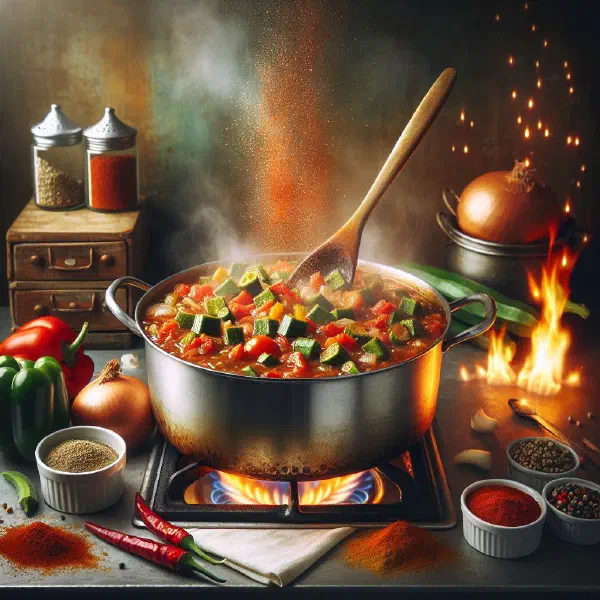
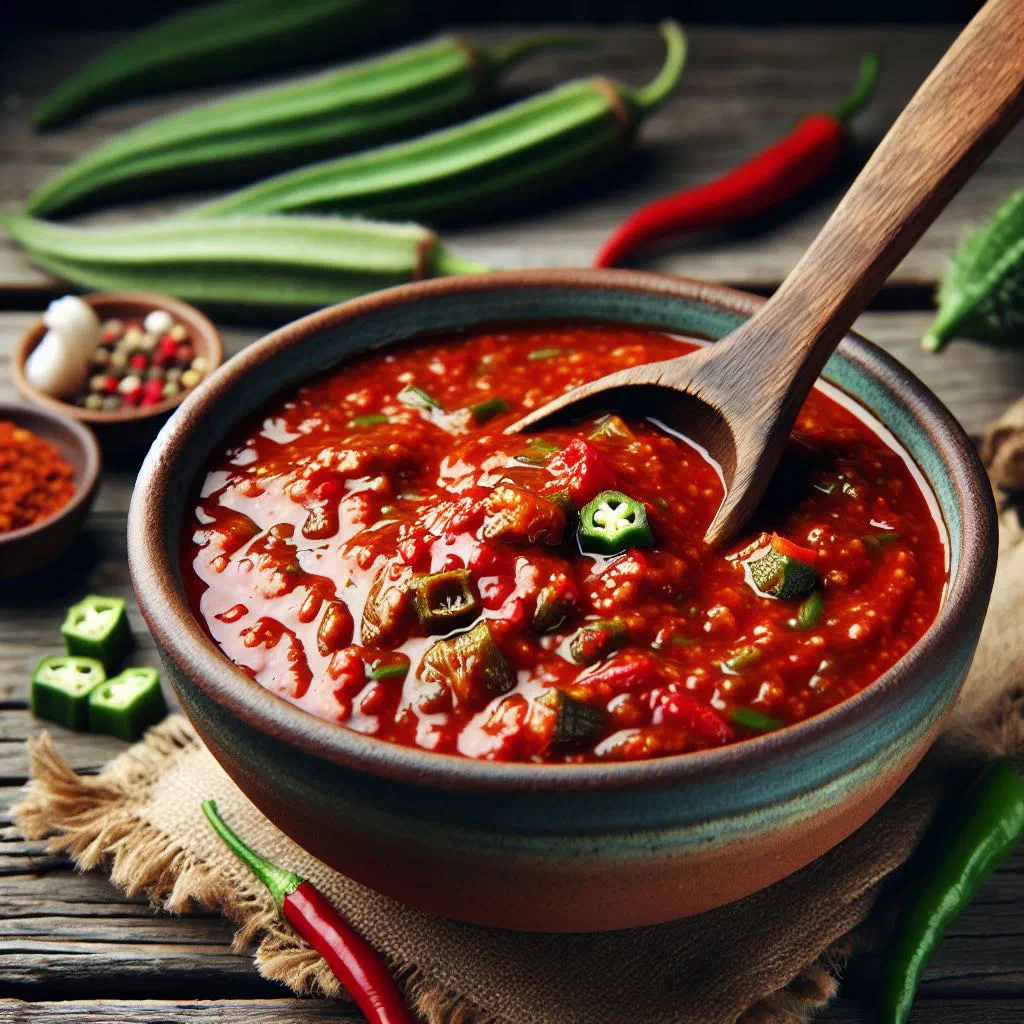
Meet Gombo Sauce, the national dish of the Central African Republic and a wonderfully unfussy way into the flavours of the region. Built around fresh okra pods simmered with tomatoes, onions and garlic, it has a silky, gently thickened texture that is quite unlike anything else on the table. It is the sort of everyday cooking that appears in homes across the country, ladled over rice or scooped up with flatbread, and it comes together in well under half an hour.
About Gombo Sauce
Gombo Sauce is an authentic dish of the Central African Republic, and one that captures the close bond between food and culture in this part of the continent. The sauce is built on okra pods, which give it its unmistakable body and mouthfeel. That combination of deep, savoury aroma and a soft, slightly viscous consistency is what makes the dish so distinctive. It is most often served with rice or flatbreads, and it remains a firm favourite in kitchens throughout Central Africa, a natural companion to hearty staples like Fufu.
Ingredients (serves 1–2)
- 200 g fresh okra
- 1 onion, diced
- 2 garlic cloves, chopped
- 2 tomatoes, diced
- 1 teaspoon vegetable stock powder
- 2 tablespoons vegetable oil
- Salt and pepper to taste
- 150 ml water
Shopping for the ingredients
For a good gombo sauce the ingredients should be fresh and of decent quality. Okra pods are stocked by most Asian and African grocers and should feel crisp and firm. That snap is essential to the finished flavour. Look for pods that are bright green and not overripe, as these give the best texture in the sauce. Fresh tomatoes and onions deserve the same care, since together they form the flavour base of the whole dish.
Preparing the dish
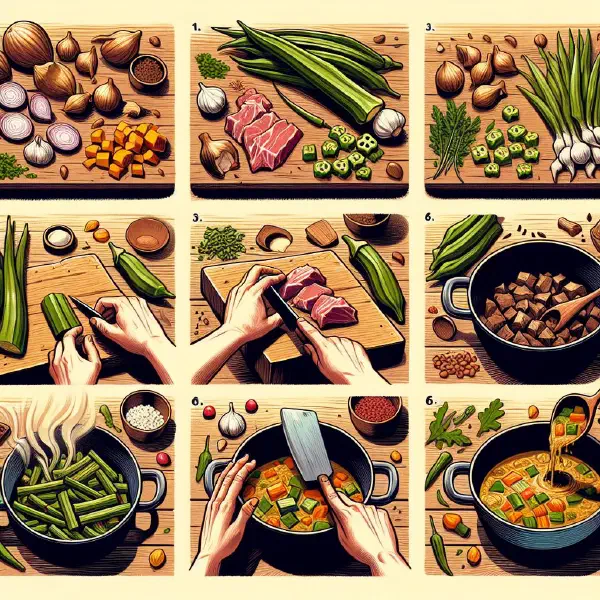
Before you start cooking, get everything prepared properly. Wash the okra thoroughly and trim off the ends before cutting the pods into small pieces. The onion and garlic should be finely diced so they release their aroma quickly in the pan. The tomatoes likewise need washing and dicing, so that they melt evenly into the sauce as it simmers.
Step-by-step instructions
- Heat the vegetable oil in a pan and add the diced onion. Fry until golden brown.
- Add the chopped garlic and fry briefly until fragrant.
- After a few minutes, add the diced tomatoes and the okra and stir everything well.
- Pour in the water and add the vegetable stock along with salt and pepper.
- Cook over a medium heat until the okra is tender, around 15–20 minutes.
Gluten-free / lactose-free version
Gombo sauce is naturally gluten-free and lactose-free, which makes it an easy choice for anyone with those intolerances. Do check, though, that all the spices and stocks you use are certified free from gluten. If you plan to serve the sauce with rice or flatbread, simply pick gluten-free alternatives to keep the whole plate safe. Nothing is lost in flavour, and the dish stays open to everyone at the table.
Tips for vegans and vegetarians
Because gombo sauce contains no animal products at all, it is naturally plant-based and ideal for vegans and vegetarians alike. To deepen the flavour, use a good plant-based vegetable stock. For extra nutrition you can also stir in leafy greens or pulses, much as you would in a dish of Saka Saka. Experiment with spices such as turmeric or paprika to give the sauce your own signature.
More tips and tricks
When making gombo sauce, take care not to overcook the okra, or it will lose both its consistency and its texture. One appealing variation is to add hot chilli peppers for a gentle kick of heat. To round out the flavour further, scatter over some toasted nuts as a topping just before serving. Small adjustments like these make the dish far more versatile and give you something new each time.
Adapting the recipe to your taste
Gombo sauce is extremely adaptable and easy to bend to personal preference. If you prefer something milder, simply cut back on the garlic and onion. For a more intense result, try a blend of different spices to build an entirely new aroma profile. There is no limit either to the vegetables you can add, depending on what happens to be in season where you are.
Ingredient substitutions
If you cannot find fresh okra pods, frozen ones work perfectly well. They are just as nutritious and hold their consistency nicely in the pan. In some cases peppers or beans make a good stand-in and still deliver a delicious result, the sort of swap that also works in a bowl of Dongo Dongo. Just remember to adjust the cooking time when you use other vegetables, so you land on exactly the right texture.
Drink pairing ideas
Refreshing drinks suit gombo sauce best, complementing rather than competing with the food. A light wheat beer or a fruity cocktail both make excellent partners. For alcohol-free options, fruit juices or a lemonade with lemon and mint work beautifully, as does a chilled glass of Jus de Bissap. These drinks help lift the flavours of the sauce and keep the palate pleasantly fresh.
Serving and presentation ideas
Presentation can raise the whole gombo sauce experience considerably. Serve the sauce in deep bowls and garnish with fresh herbs such as coriander or sliced spring onions to add colour and freshness. A colourful selection of vegetable sides lifts the plate and makes it far more appealing to the eye. Serving the sauce alongside warm rice or freshly baked flatbread also lets every guest adjust their portion exactly as they like.
A bit of history
Gombo sauce has its origins in the traditional cooking of the Central African Republic and is a symbol of the region’s food culture. Okra has been an important ingredient across Africa and beyond for centuries. The name gombo most likely derives from one of several African languages, a reminder of the cultural variety woven into this cuisine. Dishes like this carry social as well as culinary weight, since they are so often served at shared meals, a defining trait of Central African cuisine that brings people together around one pot.
More recipe ideas
Summary: Gombo Sauce
Gombo Sauce is a culinary highlight of the Central African Republic and a dish that brings people together. With its straightforward preparation and its many possible variations, it is an excellent choice for any kind of gathering. The range of ingredients and aromas creates a genuinely distinctive taste experience that appeals to the palate. Enjoy the cooking as much as the eating, and let the rich traditions and culture held in every spoonful inspire you.