National Dish Central African Republic: Maboké (Recipe)
In this article
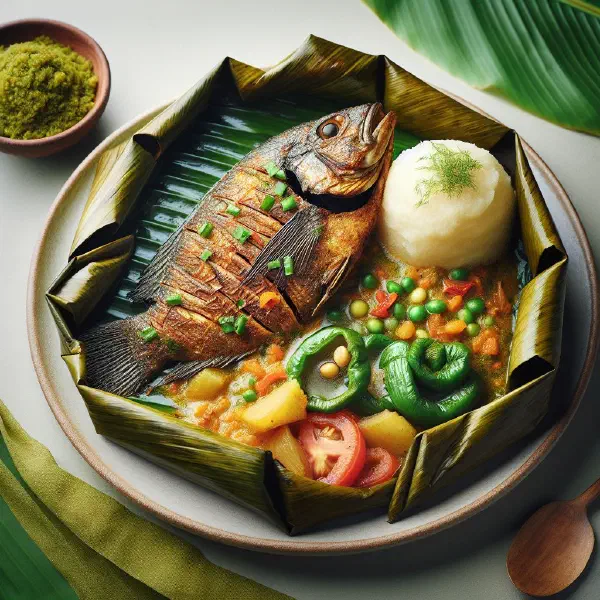
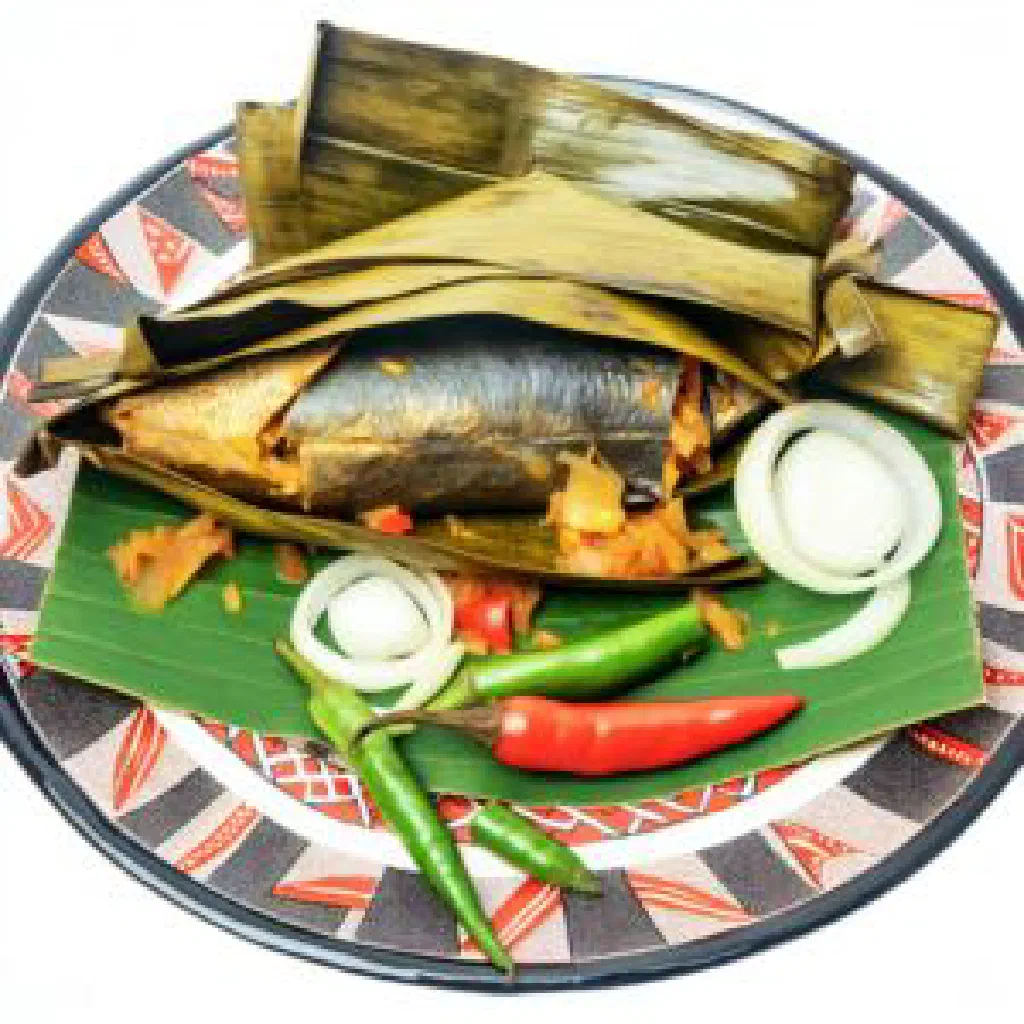
Meet Maboké, the fragrant parcel-steamed fish dish that sits at the heart of cooking in the Central African Republic. Fresh river fish is bathed in a lively marinade of onion, garlic, ginger and lime, then bundled into banana leaves and gently steamed until it falls apart at the touch of a fork. The leaves do more than hold everything together. They trap every drop of moisture and lend the fish a subtle, grassy perfume you simply cannot get from a pan.
About Maboké
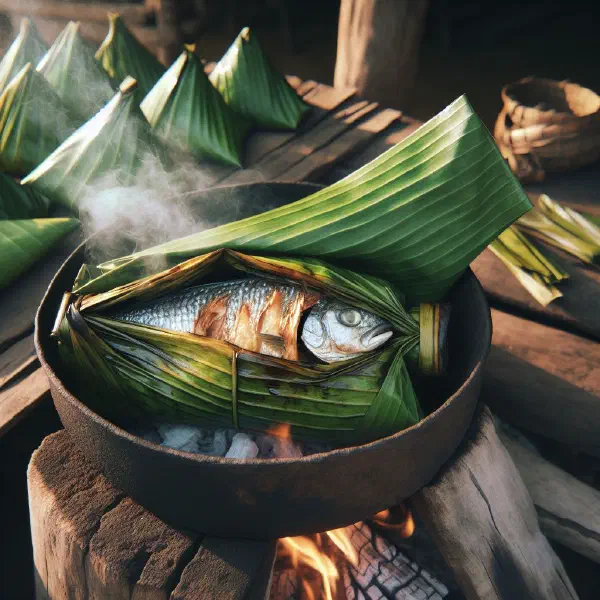
Maboké is a traditional dish from the Central African Republic, celebrated for its distinctive aromas and its unusual method of cooking. The dish is built around fresh fish, fragrant herbs and spices, all wrapped up in banana leaves before cooking. This approach creates an unmistakable flavour and cooks the fish very gently indeed. Wrapping food in banana leaves is common practice across many African kitchens, since it gives the finished dish a tender, wonderfully moist texture.
Ingredients (serves 1–2)
- 250 g fresh fish (tilapia or catfish, for example)
- 2 banana leaves
- 1 onion, finely chopped
- 2 cloves of garlic, crushed
- 1 teaspoon fresh ginger, grated
- Juice of one lime
- A handful of fresh herbs (parsley or coriander, for example)
- Salt and pepper to taste
Shopping for the ingredients
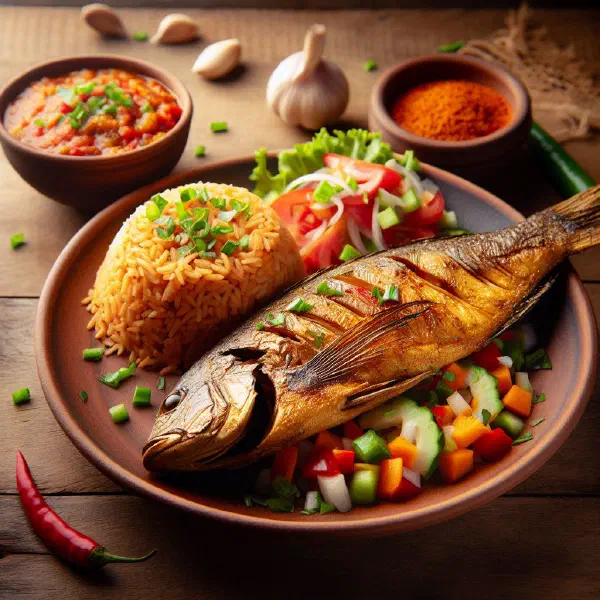
To make an authentic maboké, it pays to be fussy about the quality of your ingredients. Head to a local fishmonger or a well-stocked supermarket for the fresh fish. Check that it smells clean and fresh and that the flesh is firm to the touch. This makes all the difference to the finished dish. The other ingredients, such as vegetables and herbs, should be equally fresh and of the best quality so the flavours of the dish can really come through. If the same counter stocks whole tilapia, it is worth picking up an extra for Grillé de Tilapia another day.
Preparing the dish
Getting maboké ready involves several important steps that let the flavours work their way through properly. Begin by cleaning the fish thoroughly and cutting it into evenly sized pieces. This ensures it cooks uniformly and gives the herbs and spices a chance to penetrate the flesh. Next, prepare the marinade with onion, garlic, ginger and lime juice, and leave the fish to sit in it for a while so the flavours intensify. Finally, cut the banana leaves into suitable pieces ready for wrapping the fish.
Step-by-step instructions
- Rub the fish thoroughly with the marinade and leave it to stand for at least 30 minutes.
- Warm the banana leaves briefly so they become pliable.
- Take a piece of banana leaf and place a portion of fish in the centre.
- Fold the sides of the leaf over the fish and wrap it up securely.
- Repeat until all the portions are wrapped.
- Place the parcels in a steamer basket and steam for around 30 minutes.
- Unwrap the maboké carefully and serve immediately.
Gluten-free / lactose-free version
Maboké is naturally free from gluten and lactose, which makes it an ideal choice for anyone with those intolerances. When choosing your ingredients, simply check that no gluten-containing spice blends or marinades sneak in. That keeps the recipe gluten-free and remarkably wholesome. The fresh fish and herbs are nourishing in their own right while keeping common allergens well out of the picture.
Tips for vegans and vegetarians
For vegans and vegetarians, maboké adapts easily: swap the fish for vegetables or tofu. Marinate aubergine, courgette and peppers in the same mixture to draw out the full depth of flavour. The method stays exactly the same, though the cooking time may change since vegetables need less time than fish. Adjustments like these make maboké a flexible dish that suits a wide range of dietary preferences, much like the meat-free Caviar de Légumes.
More tips and tricks
To push the aroma of maboké even further, you can add extra spices such as chilli or cumin. These bring an additional kick of heat and complexity to the parcels. Another way to deepen the flavour is to grill the fish briefly before wrapping it, which introduces a gentle smokiness. Experimenting with different herbs can also produce exciting results while still respecting the traditions behind the dish.
Adapting the recipe to your taste
The regional variations of maboké open up plenty of scope for making the recipe your own. Depending on what you enjoy, you can choose a different fish altogether or even work with a mixture of seafood. The herbs and spices can vary too, according to what is available locally or simply what you prefer. The essential thing is that the dish brings all its flavours together into one unmistakable eating experience.
Ingredient substitutions
If the recommended fish is nowhere to be found, other varieties such as squid or mackerel work perfectly well. These alternatives are widely available in many regions and offer similar flavour characteristics. The banana leaves can be replaced with aluminium foil if they prove hard to track down, though the texture and taste will shift slightly. Be creative with your ingredients and build a version of maboké that suits your own region, the same spirit that shapes a good Poisson Braisé.
Drink pairing ideas
Maboké goes beautifully with refreshing drinks such as a citrusy iced tea or a light white wine. The zestiness of the tea harmonises perfectly with the flavours of the fish and lifts the whole dish. For something soft, a chilled Jus de Gingembre is a fine match for the bold aromas of maboké. Pairing the right drink with the food does a great deal for the atmosphere of the meal.
Serving and presentation ideas
Presentation plays an important part in how maboké is enjoyed. Arrange the parcels on a large platter and carefully peel back the banana leaves to reveal the fish inside. Garnish with fresh herbs and lime wedges to bring out colour and freshness. A pretty flourish of edible flowers can lift the dish further, making sure it is as pleasing to look at as it is to eat. A bowl of Saka Saka alongside rounds out the table nicely.
A bit of history
Maboké has its origins in African cooking and is a fine example of the diversity and cultural cross-currents found within the Central African Republic. The dish is often served at celebrations and showcases the use of local ingredients and traditional cooking methods. In recent years its popularity has spread well beyond the region, with more and more people discovering its delicious flavours and cultural significance. Traditionally it is enjoyed among family or with friends, which underlines the communal spirit that runs through Central African cuisine.
More recipe ideas
Summary: Maboké
Maboké is not merely a culinary experience; it also reflects the cultural richness and traditions of the Central African Republic. The combination of fresh fish, fragrant herbs and that distinctive method of cooking makes this dish quite unlike any other. Because it can be adapted so readily to personal taste and dietary needs, maboké is versatile and welcoming to almost everyone. Let the flavours and the history of this dish inspire you, and enjoy cooking and serving maboké in your own home.