National Dish Central African Republic: Manioc Braisé (Recipe)
In this article
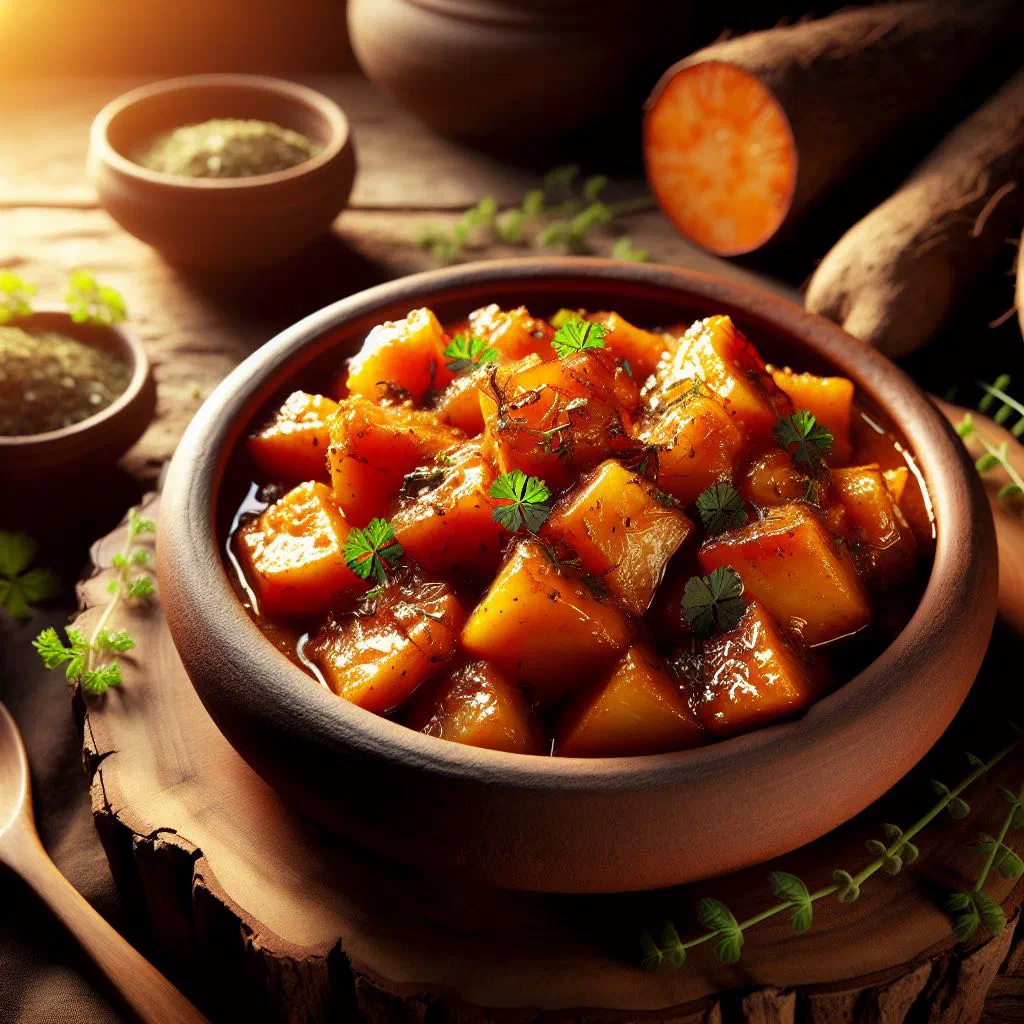
Meet Manioc Braisé, a wonderfully straightforward classic from the Central African Republic that turns one humble root into something genuinely memorable. Cassava is peeled, blanched and then fried until the edges turn golden and crisp while the inside stays soft and faintly nutty. A little onion, garlic and paprika is all it takes. Simple, filling and quietly brilliant. This is everyday cooking at its best.
About Manioc Braisé
Manioc Braisé is a traditional dish from the Central African Republic, celebrated for its uncomplicated preparation and its hearty, savoury character. The star ingredient, manioc, also known as cassava, is a versatile root vegetable found in kitchens across Africa, Asia and South America. Cooked properly, manioc reveals a lovely nutty flavour and makes a perfect partner to countless other dishes. With Manioc Braisé you bring a genuine piece of African food culture straight to your plate.
Ingredients (serves 1–2)
- 400 g manioc (cassava)
- 2 tablespoons olive oil
- 1 onion, finely chopped
- 2 cloves of garlic, crushed
- 1 teaspoon paprika powder
- Salt and pepper, to taste
- Fresh herbs, to garnish (parsley or chives, for example)
Shopping for the ingredients
The ingredients for Manioc Braisé are available in most supermarkets and Asian or African grocery shops. Manioc is often sold as fresh roots or in dried form as flour. If you are buying fresh manioc, check that the roots are firm and free of blemishes or soft spots. Onions, garlic and fresh herbs are equally easy to find and add freshness and depth to the dish. It is worth choosing a good-quality olive oil, as it has a noticeable effect on the finished flavour.
Preparing the dish
Before you start cooking, peel the manioc thoroughly and cut it into evenly sized pieces so everything cooks at the same rate. It is important to blanch the manioc before frying to remove its bitter compounds. Bring a pan of water to the boil, add the manioc pieces and let them cook for about ten minutes. Drain the blanched manioc well, then prepare the remaining ingredients while it cools slightly.
Step-by-step instructions
- Fry the blanched manioc in a pan with olive oil over medium heat.
- Add the chopped onion and crushed garlic and fry for a further five minutes, until the onions have softened.
- Stir in the paprika powder, salt and pepper and mix everything together well.
- Continue frying the manioc for another ten minutes, until golden brown and crisp.
- Take the pan off the heat and garnish with fresh herbs before serving.
Gluten-free / lactose-free version
Manioc Braisé is naturally gluten-free and lactose-free, which makes it an ideal dish for anyone with particular dietary needs. The main ingredient, cassava, contains no gluten at all, so the recipe is suitable for people with coeliac disease or a gluten sensitivity. The dish also contains no dairy, making it equally appropriate for those who are lactose intolerant. You can enjoy it without a second thought, and without compromising on your requirements.
Tips for vegans and vegetarians
Manioc Braisé is already a vegan dish and fits effortlessly into any plant-based diet. That said, vegans can add extra ingredients such as vegetables or pulses to make the meal even more nourishing. Fried peppers or courgettes work particularly well as an addition, much as they do in a bowl of Caviar De Legumes. To deepen the flavour, try spices such as cumin or chilli, which lift the taste and bring their own health benefits.
More tips and tricks
If you want your Manioc Braisé to turn out especially crisp, dust the pieces lightly with flour before frying. This adds an extra layer of texture and improves the bite. Timing in the pan matters just as much, since it keeps the ingredients from turning soggy. Take care not to set the heat too high, or the outside will burn before the inside is done. A gentler heat preserves the aromas and helps everything cook through evenly.
Adapting the recipe to your taste
The great thing about Manioc Braisé is how easily it bends to personal preference. Fancy something with more of a kick? Simply add a pinch of chilli flakes or a fresh chilli. For a Mediterranean twist, stir in olives or sun-dried tomatoes. Experiment with different spices and herbs to make the dish your own and tune it precisely to your liking.
Ingredient substitutions
If you do not have certain ingredients to hand, or would rather avoid them, there are plenty of alternatives. Instead of olive oil you can use coconut oil or rapeseed oil to create a different flavour profile. If onions are not for you, spring onions or shallots make a good stand-in. Manioc itself can be replaced with other root vegetables such as sweet potatoes or potatoes, which takes the dish in a new direction. Try the same approach in Pile De Patate Douce.
Drink pairing ideas
A number of drinks round off the Manioc Braisé experience nicely. A light red wine or a fresh white wine complements the savoury notes of the dish beautifully. If you would prefer something alcohol-free, try a fruity iced tea or a homemade lemonade to balance the spice. A tropical fruit smoothie also makes a refreshing companion, as does a chilled glass of Jus De Mangue.
Serving and presentation ideas
Presentation can make a real difference to how appetising a dish feels. Serve Manioc Braisé in a decorative bowl and garnish it with fresh herbs for a splash of colour. Natural materials such as wooden boards or ceramic dishes help underline the rustic character of the food. Dressing the table with bowls of tropical fruit or green side dishes complements the African theme and creates a warm, welcoming atmosphere.
A bit of history
Manioc has its origins in South America, yet it is prized as a staple food across many tropical regions. In the Central African Republic it is an essential foodstuff, prepared in a great variety of ways. The tradition of frying and braising manioc is part of a long culinary history that has developed over centuries. Manioc Braisé is more than a simple meal: it reflects the traditions and culture of the region, and sits at the heart of Central African cuisine.
More recipe ideas
Summary: Manioc Braisé
In short, Manioc Braisé is a hearty, flavourful dish that wins people over through sheer simplicity and versatility. The combination of manioc and a handful of well-chosen spices offers an excellent way to bring the flavours of Central African cooking into your own kitchen. This classic suits anyone in search of new tastes and new experiences. Let Manioc Braisé inspire you and add it to your culinary repertoire.