National Dish Central African Republic: Ngondzi (Recipe)
In this article
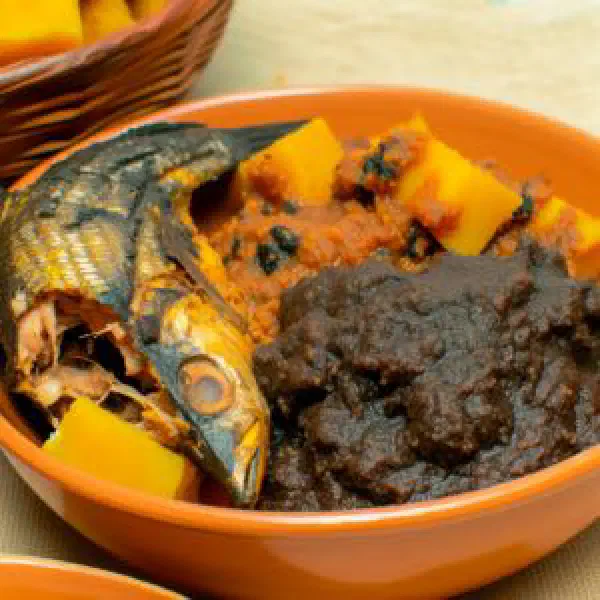
Meet Ngondzi, the national dish of the Central African Republic and a wonderful introduction to the country’s river-fed cooking. Fresh fish is simmered in a warmly spiced tomato sauce until it flakes at the touch of a fork, then served with rice or cassava to soak up every last spoonful. It is straightforward, generous food, the kind of meal that fills a kitchen with the smell of frying onions and garlic and brings everyone to the table early.
About Ngondzi
Ngondzi is the national dish of the Central African Republic and a fine ambassador for the country’s varied and flavourful cooking. The dish pairs fresh fish with a sauce built on ripe tomatoes and aromatic spices, each element given room to come through. What stands out most is the way cooks in the region balance those flavours so nothing dominates. Served with rice or cassava, it makes a complete and satisfying meal, and it sits comfortably alongside other river-fish classics such as Poisson Braise.
Ingredients (serves 1–2)
- 2 fresh fish (tilapia works well)
- 2 large tomatoes
- 1 onion
- 2 garlic cloves
- 1 teaspoon paprika
- 1 teaspoon ground cumin
- Salt and pepper to taste
- 2 tablespoons vegetable oil
- Rice or cassava, to serve
Shopping for the ingredients
To cook Ngondzi well, it pays to choose the freshest ingredients you can find. Visit a local market where you can buy fish straight from the counter and check it over yourself. Make sure the tomatoes are ripe and juicy, as they shape the sauce more than anything else. Onions and garlic should be firm and fresh too, so the base of the sauce carries plenty of aroma.
Preparing the dish
Preparing Ngondzi is simple, though a few basic steps make all the difference. Begin by cleaning and scaling the fish thoroughly. While you work, get the vegetables ready by dicing the tomatoes and finely chopping the onion and garlic. Good preparation keeps the cooking itself relaxed and lets every flavour land where it should.
Step-by-step instructions
- Heat the vegetable oil in a frying pan over a medium heat.
- Add the chopped onion and garlic and fry until golden brown.
- Add the diced tomatoes to the pan and let them simmer for a few minutes.
- Season the mixture with paprika, cumin, salt and pepper.
- Lay the cleaned fish carefully into the pan and cook for around 5–7 minutes on each side, until cooked through.
- Serve Ngondzi hot with rice or cassava.
Gluten-free / lactose-free version
Ngondzi is naturally gluten-free and lactose-free, which makes it an excellent choice for anyone with food intolerances. Just take care not to introduce gluten through the side dishes when you adapt the meal. Rice and cassava are perfect options, wholesome and free of gluten, much like the cassava used in Manioc Braise. Most spices are gluten-free as well, though it is worth checking the labels to be certain.
Tips for vegans and vegetarians
Although Ngondzi is traditionally made with fish, vegan and vegetarian versions work beautifully. One approach is to replace the fish with tofu or a mix of vegetables cooked in the same sauce. Lentils or beans make a protein-rich alternative that stands up well to the spices. Experiment with different vegetables and seasonings and you will end up with something just as satisfying.
More tips and tricks
To get the most out of Ngondzi, play with different spices and herbs. Coriander or parsley add a fresh note that lifts the sauce. Keep a close eye on the cooking time for the fish or the plant-based alternative, as overcooking is the one thing that spoils the dish. Fresh ingredients, once again, make a noticeable difference to the finished result.
Adapting the recipe to your taste
Ngondzi adapts easily to personal preference. Like it hotter? Add chilli or a hot pepper to give the sauce more bite. A squeeze of lemon or lime juice brings a fresh acidity that sharpens the flavours nicely.
Ingredient substitutions
If some ingredients are not to hand, there are plenty of alternatives. Instead of tilapia you can use other fish such as trout or pike. Tinned or passata tomatoes work in place of fresh ones and make the cooking quicker still, the same shortcut that suits a Soupe De Poisson. Bear in mind that every substitution shifts the flavour a little, so choose accordingly.
Drink pairing ideas
Several drinks pair happily with Ngondzi. Sparkling mineral water or freshly pressed lime juice is a good choice, as neither competes with the spices. If you prefer something alcoholic, a light white wine or a fruity cocktail works well. Experiment a little to find the combination you enjoy most.
Serving and presentation ideas
Presentation plays its part in the whole experience. Serve Ngondzi on an attractive plate and garnish it with fresh herbs such as parsley or coriander. The rice or cassava can be arranged thoughtfully alongside to create contrast on the plate. Take a moment over the arrangement. We eat with our eyes first.
A bit of history
Ngondzi carries real cultural weight and reflects the traditional food culture of the Central African Republic. The dish makes use of fish caught fresh from the region’s lakes and rivers, which have long been an important source of protein. Historically, Ngondzi shows the connections between the country’s different ethnic groups and their culinary practices, much as dishes like Kanda do. It is not simply a meal but part of a shared identity and heritage, and a cornerstone of Central African cuisine.
More recipe ideas
Summary: Ngondzi
Ngondzi is more than a dish. It is an experience that captures the variety and richness of Central African cooking. The pairing of fresh fish with an aromatic sauce gives it a character all its own. Ngondzi will broaden what you thought African food could be. Let the aromas draw you in and enjoy this culinary highlight.