National Dish Central African Republic: Pilé de Patate Douce (Recipe)
In this article
Meet Pilé de Patate Douce, one of the Central African Republic’s most comforting plates. This gently sweet mash of sweet potatoes and coconut milk turns a handful of humble ingredients into something silky, warming and genuinely memorable. It is quick to make, naturally suited to almost every diet, and it carries the unmistakable flavour of home cooking across the region. One spoonful and you will understand why it has stayed on the table for generations.
About Pilé de Patate Douce
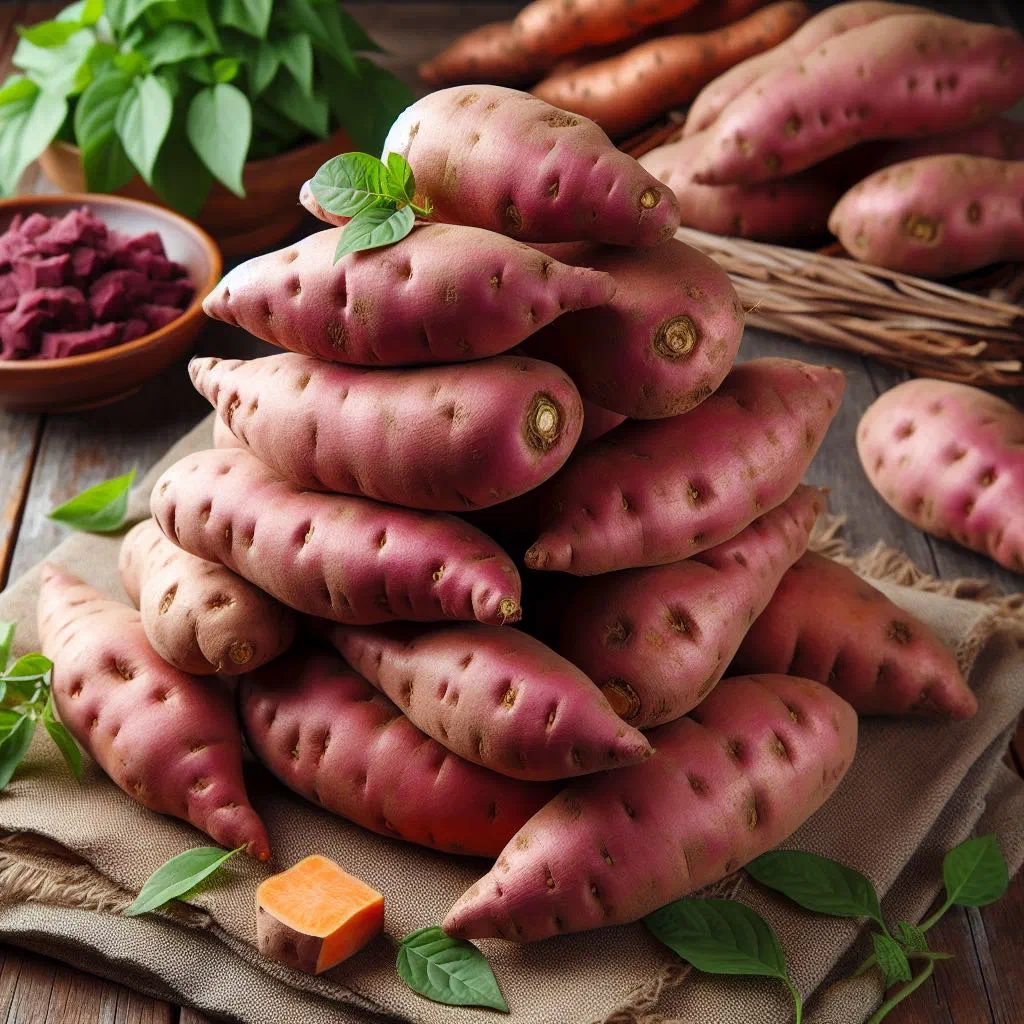
Pilé de patate douce is a traditional dish from the Central African Republic, built around sweet potatoes that are boiled and then pounded to a smooth purée. It appears most often alongside a main course, and it wins people over with its creamy consistency and gentle natural sweetness. Because it relies almost entirely on local produce, it has become an important part of the national kitchen and a small symbol of cultural identity in the region. It is a pleasure to eat and a nourishing choice for anyone who cares about eating well.
Ingredients (serves 1–2)
- 500 g sweet potatoes
- 100 ml coconut milk
- 2 tablespoons butter or plant-based margarine
- 1 pinch of salt
- Optional: spices such as cinnamon or nutmeg
Shopping for the ingredients
When shopping for pilé de patate douce, quality really does show in the finished dish, so look for fresh ingredients wherever possible. Seek out organically grown sweet potatoes. They taste better and tend to be more nutrient-rich. The coconut milk should be unsweetened and free from additives; the same tinned milk works beautifully in a Sauce Graine. Fresh spices add an extra layer of flavour and lift the whole plate.
Preparing the dish
Getting ready for pilé de patate douce is refreshingly straightforward. Begin by peeling the sweet potatoes thoroughly and cutting them into even pieces, which encourages uniform cooking. It also helps to set out every other ingredient in advance so you are not hunting for anything mid-cook. Allow a little time overall, as the potatoes need to be properly soft before they will mash into that signature creamy texture.
Step-by-step instructions
- Bring the sweet potatoes to the boil in a pan of water.
- Cook for around 20–25 minutes, until they are soft all the way through.
- Drain the potatoes and tip them into a bowl.
- Add the coconut milk and the butter, then mash or purée until smooth.
- Season with salt and any optional spices to taste.
Gluten-free / lactose-free version
Pilé de patate douce is naturally gluten-free, since not a single gluten-containing ingredient goes into it. To make it lactose-free as well, simply use plant-based margarine in place of butter and stick to unsweetened coconut milk. These small swaps make the dish ideal for people with differing dietary needs without taking anything away from the flavour, so everyone at the table can tuck in.
Tips for vegans and vegetarians
For vegans, pilé de patate douce is a genuine highlight, because it contains no animal products at all. Instead of butter, reach for vegan margarine to keep that creamy texture intact. There is also endless room to play with plant-based ingredients, so the dish never grows dull.
More tips and tricks
A few small touches make the dish even better. Stir a little honey or agave syrup into the mashed potatoes to intensify their natural sweetness, or toast your spices briefly beforehand to coax out their aromas. Fresh herbs such as coriander or parsley scattered over the top also add a welcome lift. Above all, keep an eye on the consistency and adjust the coconut milk as you go until the texture is exactly where you want it.
Adapting the recipe to your taste
Pilé de patate douce takes gladly to personal tweaks. If you like a bit of heat, add a pinch of chilli or another warming spice. Experimenting with other vegetables such as carrots or pumpkin brings fresh character to the bowl, much as it does in a Caviar de Legumes. The consistency is entirely yours to decide, simply by adding more or less liquid.
Ingredient substitutions
If you are missing something, there are plenty of workable alternatives. Instead of coconut milk, oat or almond milk will give you a different but equally pleasant flavour. Should sweet potatoes prove hard to find, ordinary potatoes step in happily, the result tastes different, yet still delicious. The butter can be replaced by any other plant-based fat you have to hand, so you can vary the recipe without giving up an ounce of enjoyment.
Drink pairing ideas
Certain drinks flatter the flavour of pilé de patate douce especially well. Cool, clear water or a lightly sweetened fruit tea are both excellent companions. If you would rather have something alcoholic, a light white wine or a fruity cocktail rounds off the meal nicely. A homemade fruit juice such as Jus de Mangue also makes a refreshing partner that plays up the sweetness of the potatoes.
Serving and presentation ideas
Presentation matters more than people often assume. Serve pilé de patate douce in an attractive bowl and garnish it with fresh herbs or edible flowers. A final thread of olive oil across the surface deepens the visual impression. For an extra splash of colour, play with brightly coloured vegetables around the edge and arrange everything on a vivid plate to make the whole thing look as lively as it tastes.
A bit of history
The Central African Republic has a rich culinary history shaped strongly by indigenous traditions. Pilé de patate douce reflects the ingredients to hand and the culture of the areas where it is most often cooked. Countless regional versions exist, a reminder that food is an universal language that brings people together. Historically the dish has appeared at festivals and celebrations, which is part of why it holds such a fond place in the heart of Central African cuisine.
More recipe ideas
Summary: Pilé de Patate Douce
Pilé de patate douce is far more than a side dish. It is an expression of the culture of the Central African Republic. With its long history and its reliance on local produce, it delivers a flavour experience you will not find anywhere else. The recipe bends easily to different tastes. Enjoy more than a delicious plate of food, but a piece of culinary history on your table.