National Dish Central African Republic: Riz Gras (Recipe)
In this article
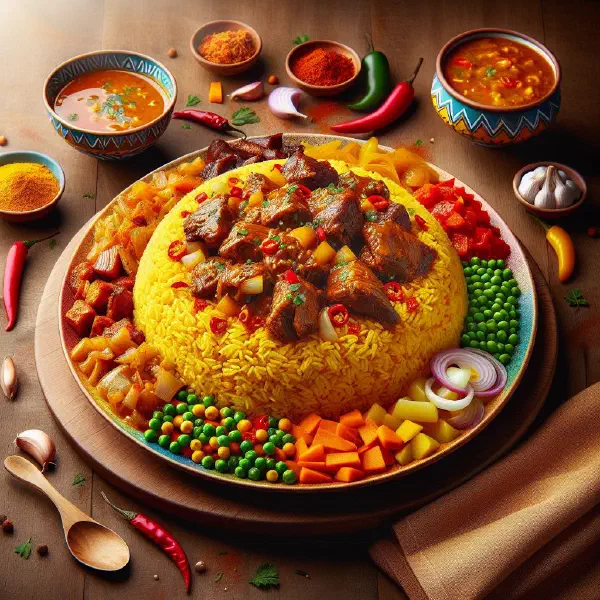
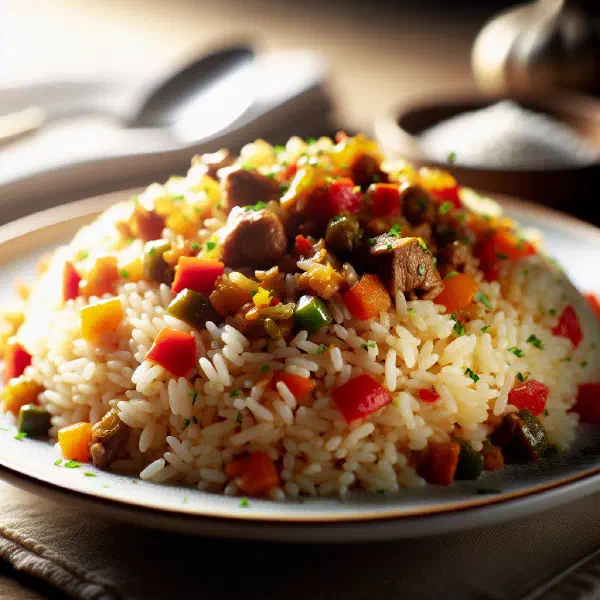
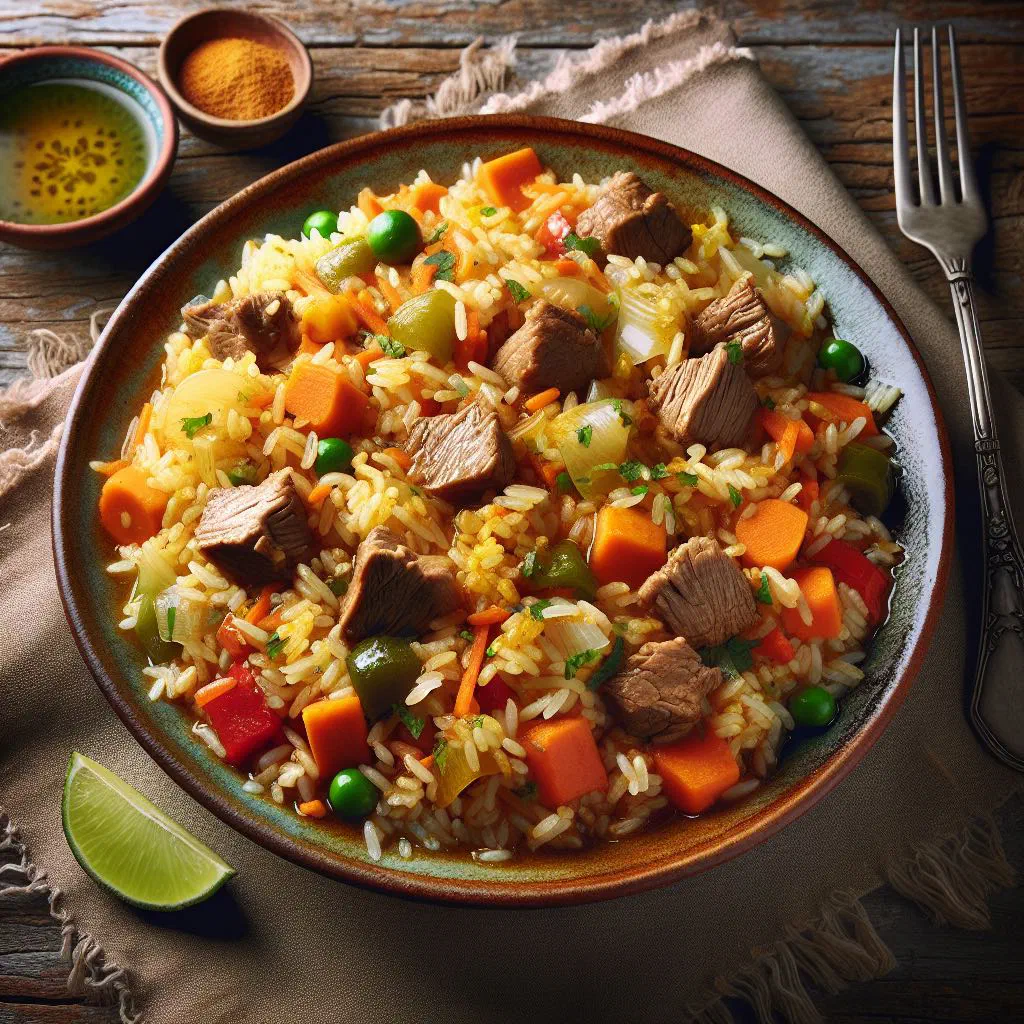
Meet Riz Gras, the rich, savoury rice dish that sits at the heart of Central African home cooking. Rice is simmered directly in a fragrant broth alongside meat, carrots and peppers, so every grain soaks up the flavour of the pot. It is generous, forgiving and endlessly variable, the kind of one-pot meal that feeds a whole family and still tastes different every time it is made.
About Riz Gras
Riz Gras is a hearty national dish of the Central African Republic and a perfect reflection of the country’s home kitchen. Its foundation is rice, combined with a wide range of ingredients such as meat, vegetables and aromatic spices. That variety is exactly what makes each family version unique. No two pots are ever quite the same. The dish is not only nourishing but a genuine pleasure for the senses, and it sits comfortably alongside other staples of Central African cuisine.
Ingredients (serves 1–2)
- 200 g rice
- 300 g meat (chicken or beef)
- 1 onion
- 2 carrots
- 1 pepper
- 2 cloves of garlic
- 1 teaspoon tomato purée
- 300 ml vegetable or meat stock
- Spices to taste (salt, pepper, paprika)
- 2 tablespoons vegetable oil
Shopping for the ingredients
Before you start cooking riz gras, it is worth sourcing the right ingredients. Most of them are available in ordinary supermarkets or at local markets, particularly if you live in a larger town or city. Choose fresh vegetables and good-quality meat to get the best possible flavour. If you come across special spices used in Central African cooking, do not hesitate to add them to your shopping list. They will bring the dish closer to the original.
Preparing the dish
Preparation is an important step in making sure your riz gras turns out delicious. Begin by washing the vegetables thoroughly and cutting them into small pieces. The meat should also be rinsed and cut into bite-sized chunks. These preparations shorten the cooking time and guarantee that everything in the pot cooks through evenly.
Step-by-step instructions
- Heat the oil in a large pan and fry the onions until golden brown.
- Add the chopped meat and brown it well on all sides.
- Stir in the carrots, pepper and garlic and let the vegetables cook for a few minutes.
- Add the tomato purée and stir everything together thoroughly.
- Pour in the stock and bring the mixture to the boil.
- Once it is bubbling, add the rice, reduce the heat to low, cover the pan and let it simmer for 15–20 minutes.
- Check occasionally that there is still enough liquid and top up with a little water if needed.
Gluten-free / lactose-free version
Riz gras is naturally a dish that can be prepared gluten-free and lactose-free. Simply use gluten-free rice and check that any stock you use is certified free from gluten. Since the dish is built mainly on rice and fresh vegetables, it is ideal for anyone with particular dietary needs. Take care to choose oils and spice blends that carry no hidden gluten either.
Tips for vegans and vegetarians
For vegetarians and vegans, riz gras adapts easily to a plant-based diet. Instead of meat you can use tofu, tempeh or pulses such as chickpeas for a protein-rich alternative, much the same approach that works so well in Riz à la Sauce d’Arachide. You can also extend the dish with a wider range of vegetables to boost both flavour and nutrition. Extra herbs and spices help deepen the taste even further.
More tips and tricks
To get the most out of your riz gras, keep a close eye on the cooking times. Do not overcook the rice, as this leads to a mushy texture. Another useful tip is to let the finished dish rest briefly before serving so the aromas have time to settle and develop. Serve it with fresh coriander or parsley for a welcome splash of colour on the plate.
Adapting the recipe to your taste
Everyone has different flavour preferences, and the beauty of riz gras is how readily it bends to them. Feel free to use your favourite vegetables or a different cut of meat entirely. Experiment with spices such as turmeric or cumin to shift the character of the pot. In this way you can create your own signature version, tuned exactly to the way you like to eat.
Ingredient substitutions
If certain ingredients are not to hand, there are plenty of alternatives to fall back on. Quinoa or couscous can stand in for rice and make an interesting change of pace. If you would rather skip the meat, plant-based alternatives such as jackfruit or seitan are excellent options, and smoked fish works beautifully too, as it does in Poisson Braisé.
Drink pairing ideas
With a hearty dish like riz gras, choosing the right drink matters. For alcohol-free options, freshly pressed juices or a cool sparkling water work well, and a chilled Jus de Bissap is a wonderfully authentic match. Among alcoholic drinks, local beers or a light white wine pair splendidly. These complement the flavours of the food and turn the meal into something of an occasion.
Serving and presentation ideas
Presentation contributes a great deal to the eating experience. Serve riz gras in an attractive bowl and garnish it with fresh herbs. A few slices of lemon or lime alongside bring not only colour but extra flavour as well. Remember to arrange the portions with a little care. It appeals to your guests and makes the meal all the more enjoyable.
A bit of history
Riz gras has its roots in the cultural traditions of the Central African Republic. It is often prepared for festive occasions and family celebrations, where it helps foster a sense of community and togetherness. The dish reflects the diversity of local produce and shows just how rich and varied Central African cooking really is. Eating riz gras is also a way of honouring the cultural values and heritage of this beautiful country.
More recipe ideas
Summary: Riz Gras
Riz gras is not simply a rice dish; it is a symbol of the rich culture of the Central African Republic. With its combination of fresh ingredients, warming spices and near-limitless room for adaptation, it suits a festive gathering just as well as a relaxed family supper. It brings both flavour and tradition to the table and offers a wonderful way into Central African cooking. Let this dish inspire you and enjoy its wealth of aromas.