National Dish Central African Republic: Soupe de Poisson (Recipe)
In this article
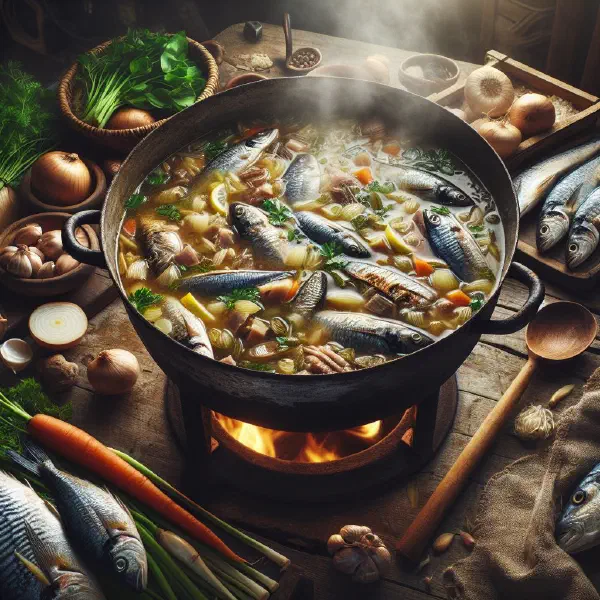
Few dishes speak of the Central African Republic’s rivers quite as clearly as Soupe de Poisson. Freshly caught fish simmers with tomatoes, onions and warming spices until the broth turns golden and fragrant, ready to be ladled out for a celebration or a quiet family supper. It is simple, generous cooking, the kind that fills a kitchen with aroma long before anyone sits down to eat.
About Soupe de Poisson
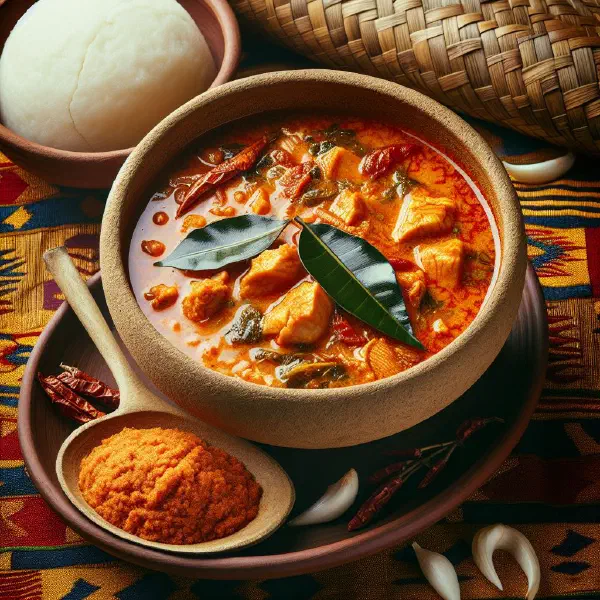
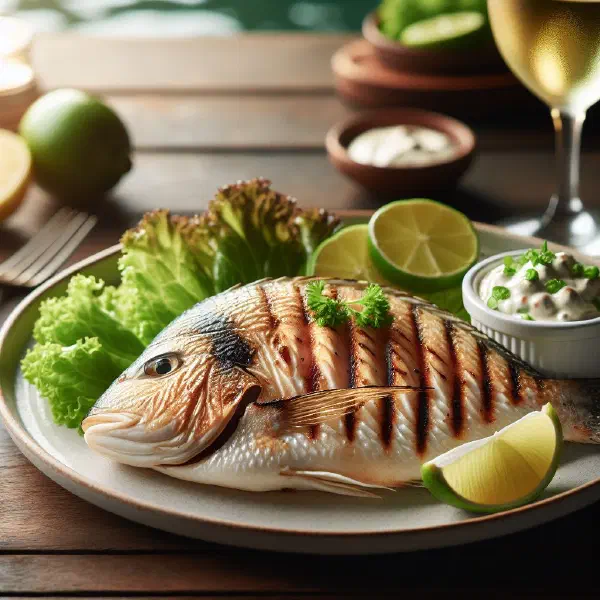
Soupe de Poisson is a traditional dish from the Central African Republic, distinguished by its layered aromas and its unfussy preparation. It brings together freshly caught fish, fragrant spices and local vegetables in a combination that turns an everyday pot into a genuine feast. Making it is straightforward and a way of getting to know the culinary roots of the region, much as a plate of Poisson Braise does. The soup wins people over with its unmistakable African character.
Ingredients (serves 1–2)
- 300 g fresh fish (tilapia or perch, for example)
- 1 onion, chopped
- 2 garlic cloves, crushed
- 2 tomatoes, diced
- 1 carrot, finely sliced
- 1 litre fish stock
- 2 tablespoons vegetable oil
- 1 teaspoon paprika
- Fresh herbs (parsley or coriander)
- Salt and pepper to taste
Shopping for the ingredients
Shopping for soupe de poisson should be guided above all by freshness. Visit a local market or a good fishmonger to find the best fresh fish on offer. Take equal care over the vegetables, since the quality of the produce decides how the finished soup tastes. Where you can, choose regional ingredients so the flavours of the Central African Republic come through as clearly as possible.
Preparing the dish
Before you start cooking, it pays to have everything prepared. Wash the vegetables and cut them into even pieces so they cook at the same rate. Remove the bones and the skin from the fish, then cut it into bite-sized chunks. Careful preparation keeps the cooking quick and relaxed, and the finished dish tastes all the better for it.
Step-by-step instructions
- Heat the vegetable oil in a large pan and add the chopped onion. Fry until translucent.
- Add the crushed garlic and the diced tomatoes and cook for around 5 minutes.
- Stir in the sliced carrot and the fish stock and bring the mixture to the boil.
- Reduce the heat and let the soup simmer for 15 to 20 minutes, until the vegetables are tender.
- Add the pieces of fish and the paprika and cook for a further 10 minutes, until the fish is done.
- Season with salt, pepper and fresh herbs, then serve.
Gluten-free / lactose-free version
Soupe de poisson is naturally gluten-free and can be enjoyed without difficulty by anyone who is lactose intolerant. Simply check that the stock and oils you use contain no gluten and no dairy. By choosing fresh, unprocessed ingredients you can be confident the dish stays wholesome and allergy-friendly. That flexibility makes the recipe an easy fit for a wide range of dietary needs.
Tips for vegans and vegetarians
For anyone who would like a vegan or vegetarian version, the fish can be replaced with tofu or chickpeas. Use a well-flavoured vegetable stock in place of the fish stock to keep the broth tasting rich. Add further vegetables and perhaps a few extra spices to build depth, an approach that also works beautifully in Caviar de Legumes. The soup stays every bit as satisfying while suiting plant-based diets.
More tips and tricks
To make soupe de poisson even more flavourful, experiment with the seasoning. Add a little chilli for heat, or try the local spices favoured across the Central African Republic. You can also change the texture by blending part of the soup and stirring it back into the pot for extra body. Small adjustments like these let you shape the dish around your own palate.
Adapting the recipe to your taste
One of the great strengths of soupe de poisson is its versatility. Depending on what you enjoy, you might add seafood such as prawns or mussels to lift the dish further. The choice of vegetables is equally open, so everyone can work in their favourite ingredients. That freedom makes each pot a slightly different culinary experience.
Ingredient substitutions
If one of the main components is unavailable, there are plenty of alternatives to fall back on. Instead of fresh fish you can use frozen fish fillets, thoroughly defrosted and rinsed before cooking. Where a particular spice is hard to find, reach for a similar blend from your own cupboard. The trick is to stay creative while keeping the soup tasting good, the same instinct that shapes a bowl of Bouillon de Poisson.
Drink pairing ideas
A hearty soup like this one goes particularly well with something refreshing. A cold, light beer or a lively lemonade makes an excellent choice. Wine drinkers should look to a dry white wine, which underlines the flavours of the broth nicely. A fruity juice or simple sparkling water rounds the meal off just as pleasantly.
Serving and presentation ideas
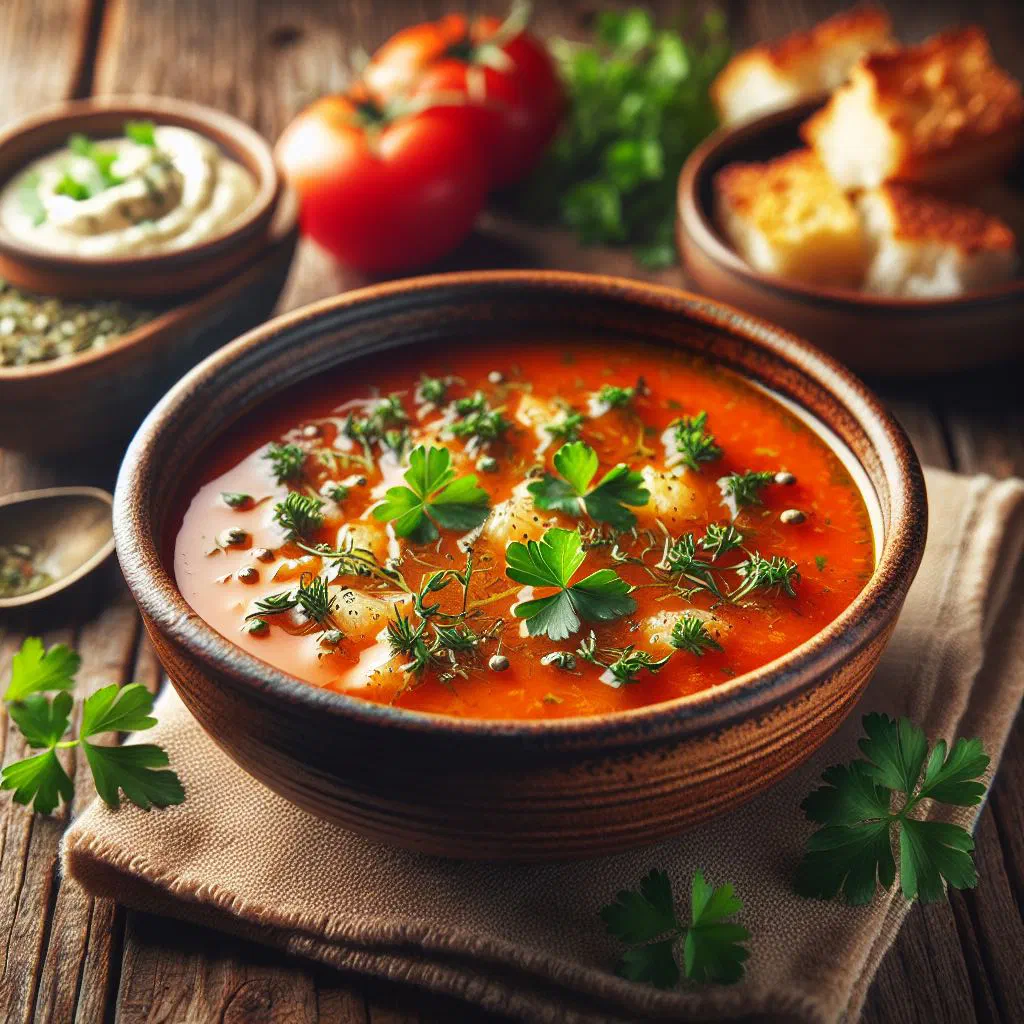
An attractive presentation can improve the whole experience of eating soupe de poisson. Serve it in colourful bowls and garnish each portion with fresh herbs or a squeeze of lemon. Crusty bread on the side adds flavour as well as visual appeal. A carefully laid table with a few thoughtful details heightens the anticipation before anyone lifts a spoon.
A bit of history
Soupe de poisson has a long history, closely bound up with the culture and traditions of the Central African Republic. It is often cooked at home and stands for both togetherness and hospitality. In many regions its preparation is treated almost as an art form, with each family guarding its own recipe and technique. The influence of local ingredients and spices reflects the richness of Central African cuisine and makes the soup an important part of the country’s food culture.
More recipe ideas
Summary: Soupe de Poisson
In short, Soupe de Poisson is far more than a good bowl of soup: it is an expression of the rich culinary tradition of the Central African Republic. With its simple method and its reliance on fresh, local ingredients, it slots easily into any kitchen. Whether for a special occasion or an unhurried family dinner, this soup brings African flair straight to the table. Give it a try and let the fragrant spices and hearty flavours win you over.