National Dish Chad: Akara (Recipe)
In this article
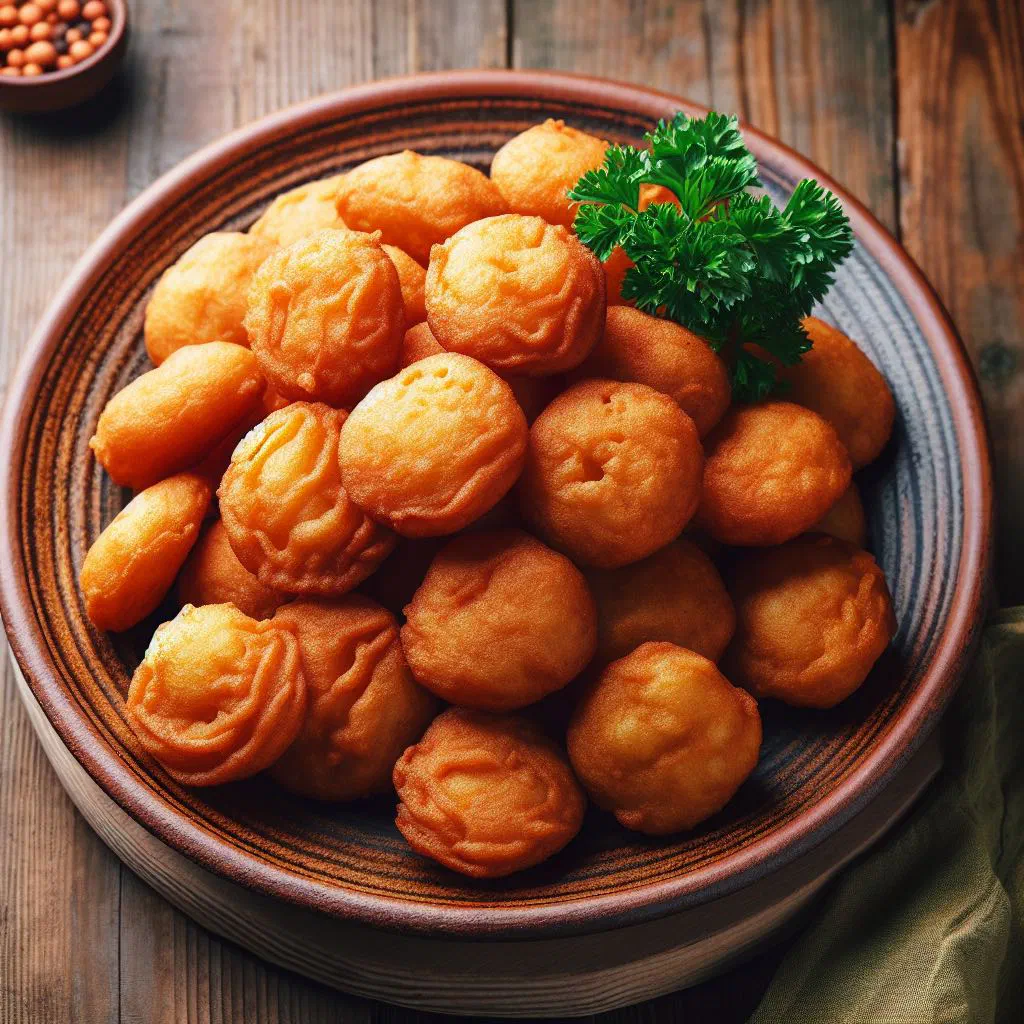
Discover Akara, the crisp little fried chickpea balls that Chad loves. Golden and crunchy on the outside, soft and fragrant within, they turn up everywhere from busy street stalls to family celebrations. A handful of everyday store-cupboard spices is all it takes to bring the warm, generous flavours of Africa into your own kitchen, as a snack, a starter or a light main.
About Akara
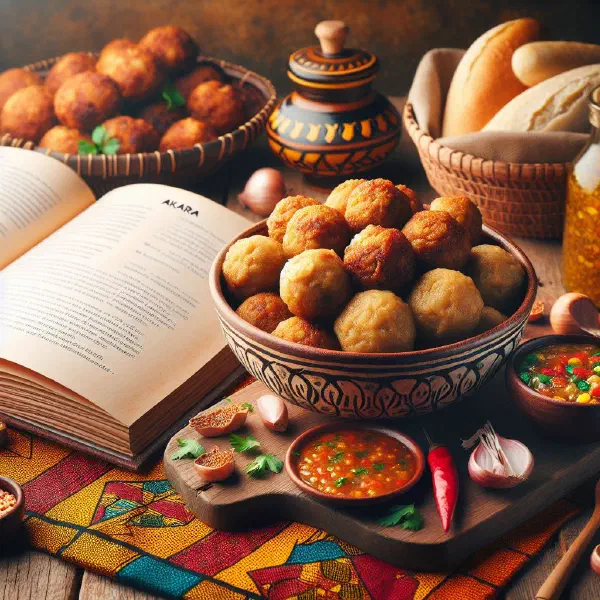
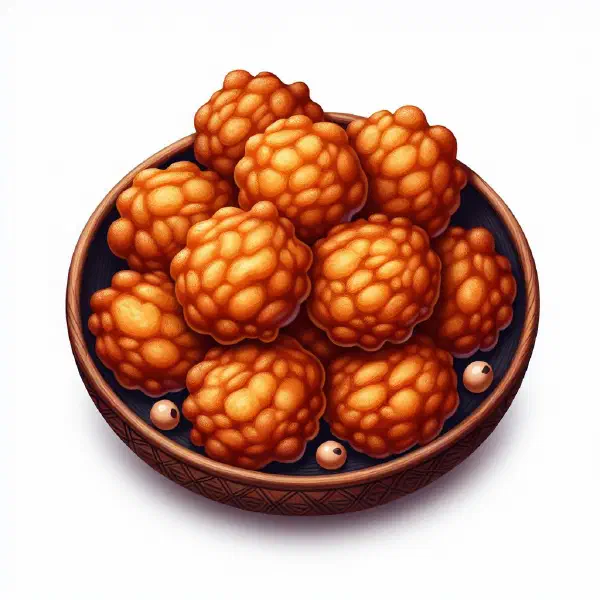
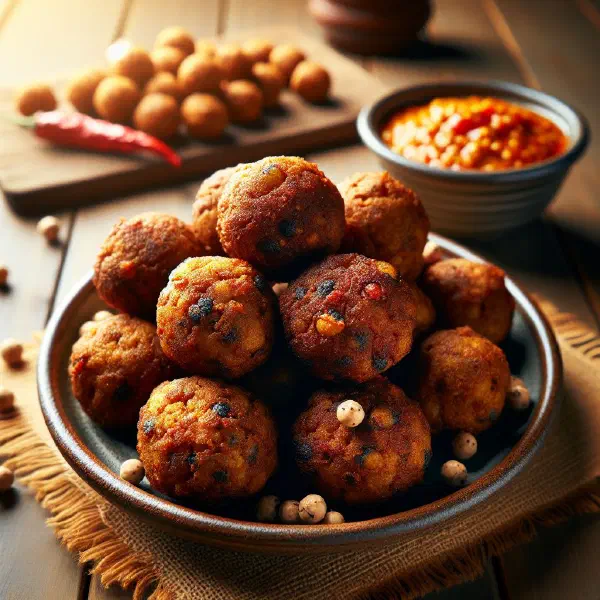
Akara are deep-fried chickpea balls that play a central role in Chadian cooking. These delicate morsels are a popular street food and a fixture at family gatherings and social occasions. Akara are known for their crisp exterior and their tender, aromatic centre, which takes on a distinctive character from the spices and fresh herbs worked into the mixture. These little bites are a perfect way into the rich food culture of Chad.
Ingredients (serves 1–2)
- 200 g dried chickpeas
- 1 onion, finely chopped
- 2 garlic cloves, crushed
- 1 tsp ground cumin
- Salt and pepper, to taste
- Oil, for deep-frying
Shopping for the ingredients
The ingredients for akara are relatively easy to track down. Many supermarkets, and certainly any African grocery shop, will stock the dried chickpeas that form the backbone of this dish. Spices such as cumin are widely available too, while onions and garlic are on the shelves of every food shop. Choose the freshest produce you can find to get the best flavour and the highest quality.
Preparing the dish
Preparing akara is straightforward, though it does call for a little patience, particularly when it comes to soaking and grinding the pulses. Begin by soaking the dried chickpeas in water for at least 8 hours, or overnight. This improves the texture and makes them far easier to blend. Once soaked, drain the chickpeas thoroughly, then blitz them with the remaining ingredients in a food processor until you have a smooth, even paste.
Step-by-step instructions
- Soak the chickpeas in water overnight, then drain well.
- Tip the soaked chickpeas into a food processor with the onion, garlic and cumin.
- Blend to a smooth paste and season with salt and pepper.
- Heat the oil in a deep fryer or a deep pan.
- Using a spoon, drop small portions of the chickpea batter into the hot oil.
- Fry the akara until golden brown, then drain on kitchen paper.
Gluten-free / lactose-free version
Akara are naturally gluten-free and lactose-free, since they are made almost entirely from chickpeas. That makes them a brilliant option for anyone with the corresponding intolerances. It is worth checking that the frying oil is gluten-free as well, though standard cooking oils are generally fine. Enjoy akara with complete confidence as part of a gluten-free or lactose-free diet.
Tips for vegans and vegetarians
Akara are a genuinely vegan and vegetarian-friendly dish, as they contain no animal products whatsoever. To boost the nutritional value, stir in extra ingredients such as finely chopped vegetables or fresh herbs like parsley or coriander. These lift the flavour and give the fritters a prettier colour. Playing with different spices, paprika or chilli, for instance, is another rewarding way to make the recipe your own, much as cooks do with a bowl of Lablabi.
More tips and tricks
For perfect akara, keep a close eye on the temperature of the oil. Oil that is too cool lets the balls soak up fat and taste greasy, while oil that is too hot scorches the outside before the middle has cooked through. Avoid overcrowding the pan so everything cooks evenly. You can also scatter a little flaky salt over the akara just before serving to sharpen the flavour.
Adapting the recipe to your taste
The mixture for akara is highly adaptable, so feel free to play with it according to your own preferences. Add diced peppers or hot chillies, for example, for more flavour and heat. The consistency can be adjusted too: a splash more water gives a creamier texture. Experiment with the seasoning and find the combination that suits you best, the same spirit of improvisation that shapes dishes like Bissara.
Ingredient substitutions
If you have no chickpeas to hand, red lentils will give you a similar texture and flavour. A spoonful of oat flour is another interesting variation that firms the mixture up slightly. Onions can be swapped for spring onions for a milder note. Choosing your own ingredients lets you build a dish that fits your taste exactly.
Drink pairing ideas
There are plenty of good drinks to serve alongside akara. A refreshing mint tea or a fruit smoothie makes a harmonious partner to the chickpea balls, a chilled Mango Smoothie works particularly well. For something more savoury, cucumber or tomato juice also pairs beautifully. Try a few different options and find the combination that pleases you most.
Serving and presentation ideas
Presentation can add a great deal to the pleasure of eating akara. Serve the freshly fried balls on an attractive plate or in a decorative bowl. Bring in some colour with fresh herbs or a few slices of cucumber or tomato. You might also offer a hot sauce or a yoghurt dip on the side to add richness and variety to the spread.
A bit of history
The roots of akara run deep into the African continent, and the fritters are especially widespread across West Africa. Over the years they have become a firm fixture in Chadian and broader African food culture. They are traditionally served at breakfast or as a snack, and are both nourishing and a quick answer to hunger. Akara therefore enrich the culinary heritage of Chadian cuisine and bring people together at holidays and festivities.
More recipe ideas
Summary: Akara
Akara are a piece of Chadian culture. Their simple preparation and sheer versatility make them ideal for any occasion. Akara bring joy and flavour to every plate. Let the aromas of Chad tempt you and rediscover the pleasure of cooking this traditional treat.