National Dish Chad: Bissara (Recipe)
In this article
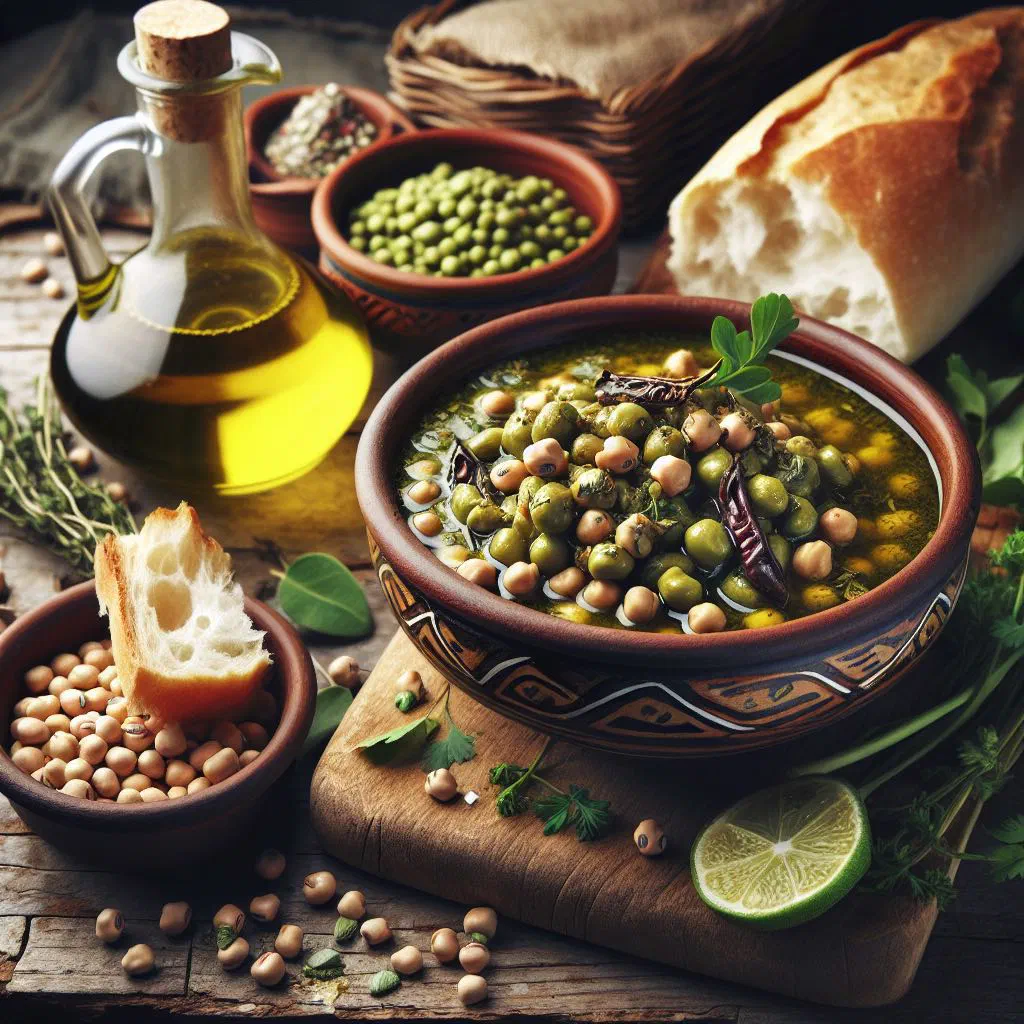
Discover Bissara, a wonderfully simple classic of Chadian home cooking. This creamy purée of peas, warm spices and good olive oil proves how much flavour a handful of humble ingredients can deliver. It is filling, nourishing and endlessly forgiving, the sort of dish that works as a main meal, a side or a generous dip. Bring a taste of authentic Chadian cooking to your own kitchen.
About Bissara
Bissara is a traditional dish from Chad that wins people over with its simplicity and its deep, rounded flavour. At its heart is a smooth paste of puréed peas, finished with spices and a good drizzle of olive oil. It can be served as a main meal or as a side, and it is one of the easiest ways into the wider world of African cooking. Bissara is not only delicious but genuinely nutritious, being rich in both protein and fibre.
Ingredients (serves 1–2)
- 200 g peas (dried or fresh)
- 2–3 tablespoons olive oil
- 1–2 cloves of garlic, chopped
- 1 teaspoon ground cumin
- Salt to taste
- Pepper to taste
- Fresh herbs (parsley or coriander), to garnish
Shopping for the ingredients
The ingredients for bissara are easy to come by and can be found in most supermarkets or at a local market. Choose fresh peas if you have the option, or fall back on dried peas, which keep far longer in the storecupboard. Olive oil is a defining part of the dish, so it is worth investing in a good bottle to lift the finished result. Spices such as cumin are equally decisive for the characteristic flavour, freshly ground is almost always more aromatic than pre-ground.
Preparing the dish
Before you start cooking bissara, rinse the peas thoroughly and, if you are using dried ones, soak them overnight. This shortens the cooking time considerably and helps the peas cook through evenly. The amount of garlic is entirely a matter of taste, so feel free to hold back or add more depending on how you like it. Preparing the fresh herbs for the garnish in advance is another small step that saves time when it comes to serving.
Step-by-step instructions
- Bring the peas to the boil in a pan of plenty of water and cook until soft (about 15–20 minutes).
- Drain the cooked peas and tip them into a bowl.
- Add the garlic, olive oil, cumin, salt and pepper to the peas.
- Blend everything with a stick blender to a smooth paste.
- Spoon the bissara into a bowl and garnish with fresh herbs to taste.
Gluten-free / lactose-free version
One of the great advantages of bissara is that the recipe is naturally gluten-free and lactose-free, since it consists entirely of peas and plant-based ingredients. That makes it an ideal choice for anyone with intolerances or particular dietary needs. Using olive oil rather than butter or cream also keeps the dish on the lighter, healthier side. You can enjoy bissara without a second thought about gluten or lactose, while still eating something nourishing and full of flavour.
Tips for vegans and vegetarians
Bissara is already an excellent choice for vegans and vegetarians, as it contains no animal products whatsoever. To make it even higher in protein, stir through extra pulses or a spoonful of quinoa, much as you would with the Lentilles Aux Epices. Adjust the spices to your own palate to bring the aromas forward. The dish is not only nourishing but remarkably versatile, so you can vary the ingredients freely to create new flavour combinations.
More tips and tricks
To make bissara even tastier, try different spice blends, a pinch of chilli or paprika, for instance, adds a welcome touch of heat. Blending the peas to your preferred consistency lets you control the texture exactly. If you would like a creamier version, add a splash of vegetable stock while you blend. Experiment with toppings such as toasted nuts or seeds to give the dish an interesting contrast.
Adapting the recipe to your taste
Bissara adapts beautifully to personal preference. You can vary the type of peas you use or even try other pulses such as chickpeas. If you fancy a hint of sweetness, a little honey or agave syrup can be surprisingly effective. Seasonal vegetables can also be added to lift the dish, making bissara both healthier and more interesting, a trick that works equally well in a hearty Daraba.
Ingredient substitutions
If you do not have every ingredient to hand, there is no need to worry. Instead of olive oil you can use other plant oils such as rapeseed or sunflower oil. For a different flavour direction, try smoked paprika in place of the cumin. Dried mixed herbs work perfectly well when fresh ones are unavailable. The recipe stays flexible and easy to adjust to whatever is in your cupboard.
Drink pairing ideas
Light, refreshing drinks suit bissara particularly well. A chilled sparkling water with a squeeze of lemon cleanses the palate and complements the flavour of the dish. For those who enjoy a glass of wine, a fruity white works nicely. If you prefer something alcohol-free, try a fruity iced tea, a coconut drink or a glass of Jus De Bissap to round the meal off.
Serving and presentation ideas
Presentation is an important part of serving bissara. Bring the dish to the table in an attractive bowl, decorated with fresh herbs and a final swirl of olive oil. A few edible flowers add a splash of colour if you want to make more of an occasion of it. The interplay of colours and textures creates an inviting, appetising look that guests will notice straight away.
A bit of history
Bissara has its origins in Chadian culture and is served most often in the rural parts of the country. It is a dish that has brought generations of families together, and it reflects the wider tradition of African cooking: making the most of simple but nourishing ingredients. In many households bissara is a fixed part of the weekly menu. That deep-rooted tradition offers more than a delicious meal but a genuine insight into the cultural identity of Chad and its broader Chadian cuisine.
More recipe ideas
Summary: Bissara
Bissara is a delicious, nourishing dish that reflects the rich culture of Chad. It is straightforward to make and offers plenty of scope for adaptation to personal taste. With its creamy texture and its warm, aromatic spicing, bissara quickly becomes a favourite in any kitchen. Dive into the world of African flavours and enjoy a hearty meal that satisfies the palate and the soul alike.