National Dish Chad: Boule (Recipe)
In this article
Boule is millet flour and water, stirred until stiff enough to hold a shape. It has no seasoning and it is not meant to. Chad eats it twice a day with a sauce poured over, and the sauce is where the cooking happens.
About Boule
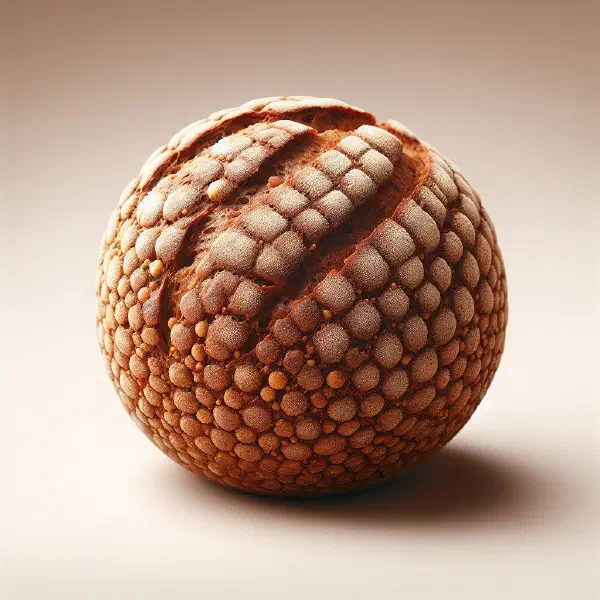
Boule is the staple of Chad and the base of nearly every meal. Millet or sorghum flour goes into boiling water and is beaten until it forms a smooth, dense mass, then shaped into a ball and served in the centre of the table with daraba, okra sauce or a peanut sauce around it.
Millet grows where almost nothing else will, which is why it feeds the Sahel.
Ingredients (serves 1–2)
- 200 g millet flour
- 750 ml water
- A pinch of salt (optional)
Shopping for the ingredients
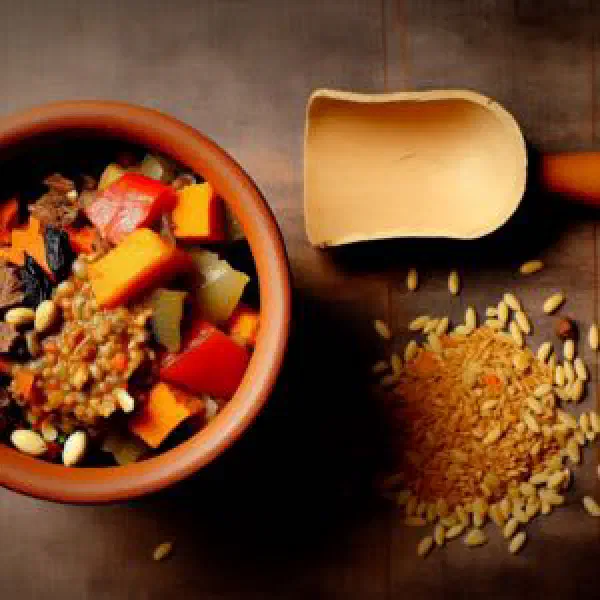
Millet flour is sold in African and health-food shops. Sorghum flour is equally traditional and slightly darker. Buy it fresh: milled grain goes rancid within a few months, and stale flour makes a bitter boule.
Preparing the dish
Mix a portion of the flour with cold water into a slurry before the rest goes into the boiling pot. Use a heavy pan and a sturdy wooden spoon or paddle. This is physical work: properly made boule takes real effort to stir near the end.
Step-by-step instructions
- Bring the water to the boil in a large pan.
- Trickle in the millet flour slowly, stirring constantly with a wooden spoon to stop lumps forming.
- Once the flour is fully worked in, reduce the heat and let it simmer for 20–30 minutes, stirring occasionally, until the boule thickens.
- Take the boule off the heat and let it rest for a few minutes.
- Divide into portions and serve with a sauce of your choice.
Gluten-free / lactose-free version
Millet and sorghum contain no gluten, and there is no dairy in the dish. Boule is naturally suitable for both restrictions and is one of the most useful gluten-free staples there is.
Tips for vegans and vegetarians
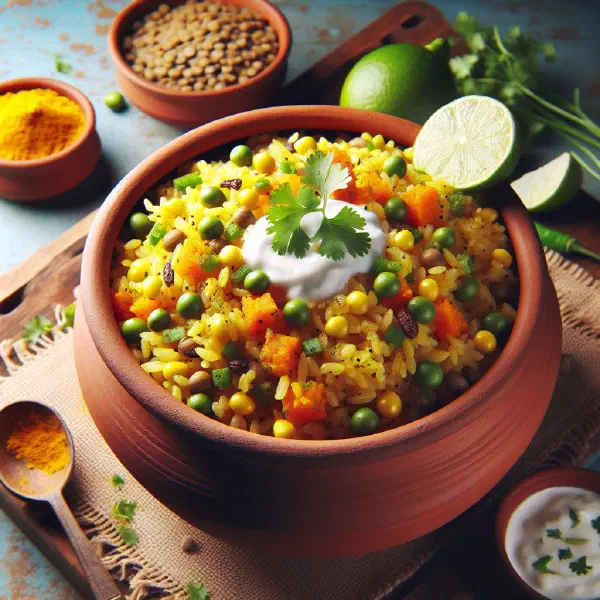
Boule is flour and water, so it is vegan. The sauces vary: peanut sauce and soupe de gombo are both vegan when made without dried fish, and daraba is a vegetable stew by nature.
More tips and tricks
Do not stop stirring. Boule catches in seconds and burnt millet flavours the whole batch. Wet the bowl before turning the boule out and it releases cleanly. And serve it hot, since it sets firm and cannot be reheated into anything good.
Adapting the recipe to your taste
Maize flour makes a lighter, paler boule. A mix of millet and cassava flour is common and easier to stir. Some households add a spoonful of the previous day’s fermented dough for a slightly sour flavour, which is closer to how it is eaten in the villages.
Ingredient substitutions
Sorghum, maize and cassava flours all work, alone or mixed. Semolina makes a version closer to North African cooking. The technique is identical whichever grain you use.
Drink pairing ideas
Jus de bissap is the standard. Sweet spiced tea follows the meal. Water accompanies it, since boule is dry.
Serving and presentation ideas
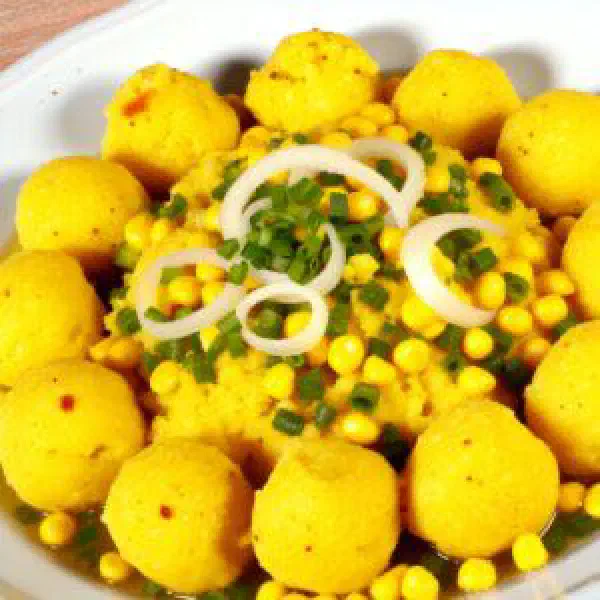
Turn the boule out as a smooth ball into the centre of a shared platter, with the sauce in a bowl or poured around it. Pieces are torn off with the right hand, hollowed with the thumb and used to scoop. Nobody uses cutlery.
A bit of history
Millet has been cultivated in the Sahel for thousands of years and remains the crop the region depends on. Boule and its relatives run right across West and Central Africa under a dozen names: tô in Burkina Faso, fufu further south, ugali in the east. It is the base of Chadian cuisine and of most meals in the country.
More recipe ideas
Summary: Boule
Boule is millet flour beaten into boiling water until stiff, served as a ball with a sauce around it. Slurry the flour first, never stop stirring, and serve it hot.