National Dish Chad: Fata (Recipe)
In this article
Meet Fata, one of the quiet staples of the Chadian table. Made from little more than flour, water and a pinch of salt, these soft flatbreads prove that simplicity can be its own kind of luxury. They are the perfect partner to a rich stew, ready to scoop up every last spoonful of sauce. If you want a genuine taste of Chad without a long shopping list, this is the place to begin.
About Fata
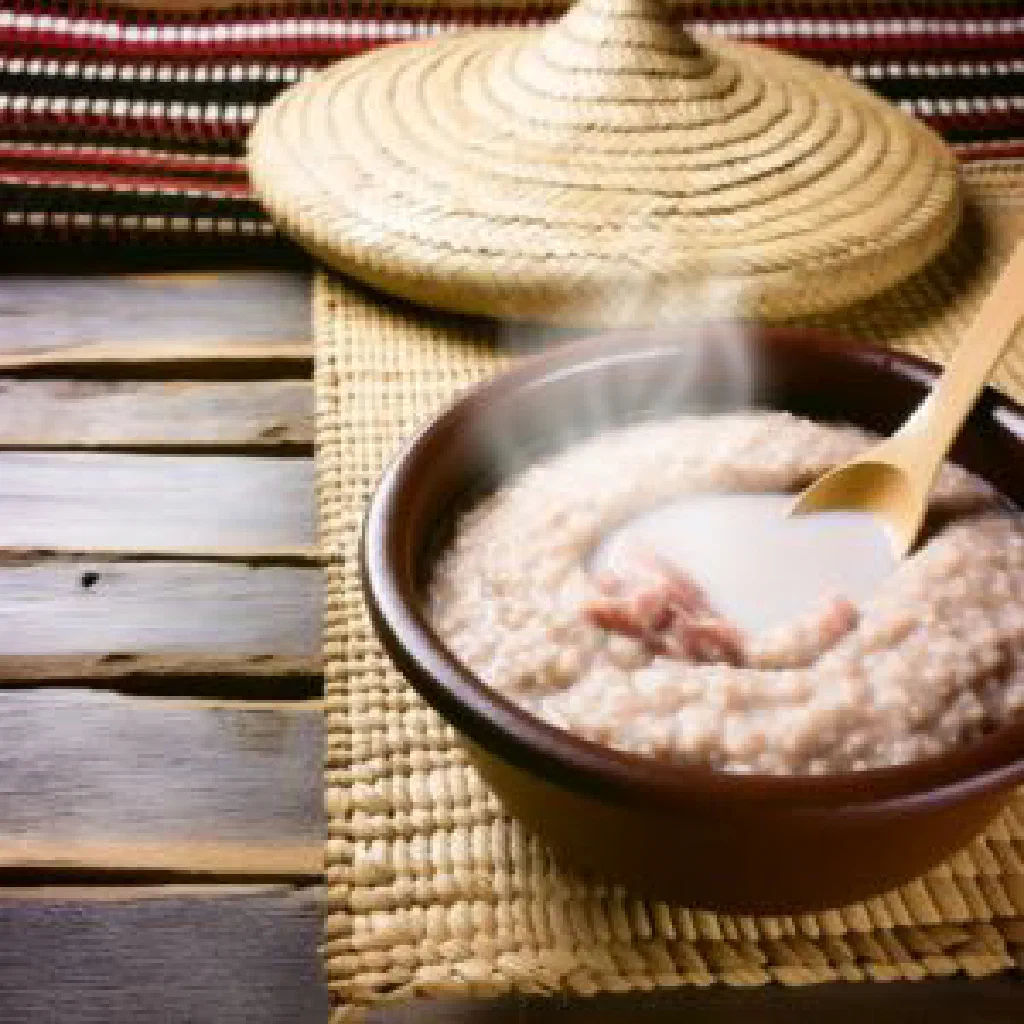
Fata is a traditional Chadian dish prepared from fresh flour and water. It is a simple but flavourful preparation, most often served as an accompaniment to all manner of stews. The plainness of Fata says a great deal about the foundations of Chadian cooking, a tradition built on modest ingredients and generous, satisfying flavours. This dish is not merely something good to eat; it is a wonderful way to experience the culture and traditions of Chad first-hand.
Ingredients (serves 1–2)
- 200 g flour
- 150 ml water
- A pinch of salt
Shopping for the ingredients
To make fata you need fresh, good-quality ingredients. Buy your flour from a source you trust so that the dough develops the best possible texture. Fresh water matters just as much, since it shapes both the flavour and the consistency of the finished breads. And do not forget the pinch of salt. It is a small thing that brings the whole dish to life.
Preparing the dish
Preparing fata is refreshingly straightforward and takes only a few steps. Begin by weighing out your ingredients and making sure everything is within reach. Tip the flour into a bowl and add the water gradually, working it in with a fork or with your hands. This produces the smooth dough that forms the basis of your fata.
Step-by-step instructions
- Tip the flour into a large bowl and add a pinch of salt.
- Add the water slowly and knead firmly until you have a smooth dough.
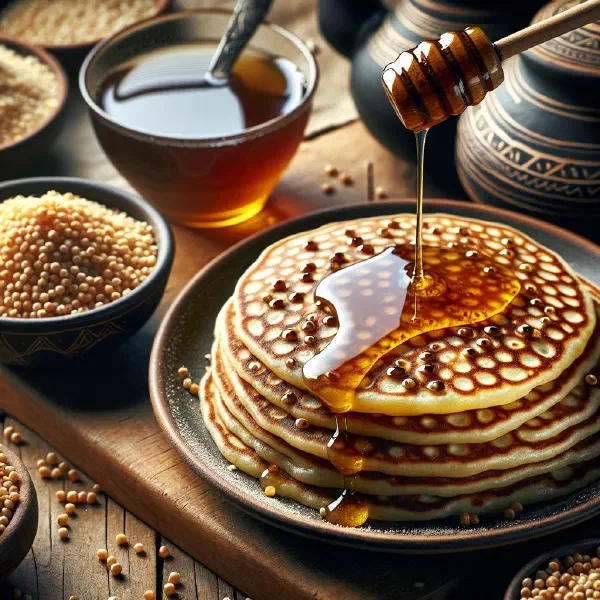
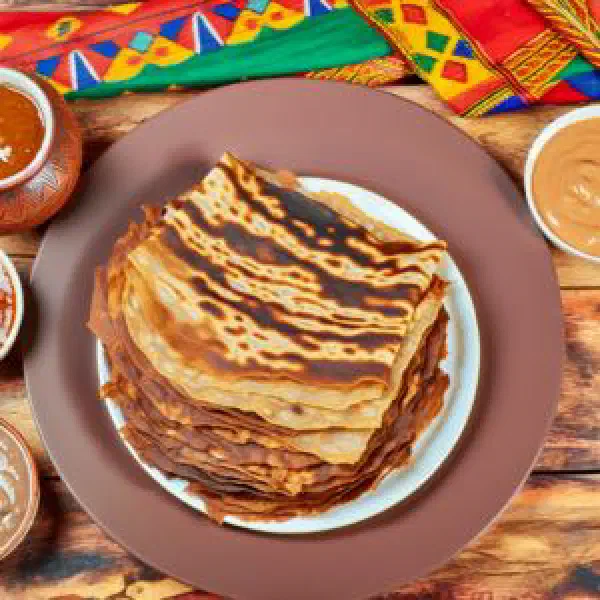
- Divide the dough into small pieces and shape each one into a thin flatbread.
- Heat a frying pan and cook the flatbreads on both sides until golden brown.
- Keep the finished flatbreads warm while you cook the rest.
Gluten-free / lactose-free version
For anyone with a gluten intolerance, fata can also be made with gluten-free flours such as rice flour or buckwheat flour. These alternatives give a similar consistency and comparable flavour, so nobody has to miss out. When working with gluten-free flours, mix everything thoroughly to achieve an even texture. Lactose plays no part in this recipe at all, so vegan and lactose-free versions need no adjustment whatsoever.
Tips for vegans and vegetarians
Fata is naturally vegan and makes an excellent base for any number of plant-based accompaniments. Serve it with a hearty vegetable stew or a spiced pulse-based sauce to boost the nutritional value of the meal, a fragrant Bissara works beautifully here. Do experiment with different spices and herbs to take the dish in new directions. In this way you can build a whole spread of delicious vegan dishes around a plate of fata.
More tips and tricks
If you want to make fata even easier on the day, prepare the dough in advance and keep it in the fridge overnight. Resting gives the dough more flavour and a better texture. Just remember to bring it back to room temperature before frying. You can also try different shapes to give the flatbreads a more appealing look, round, oval or rectangular, there are no limits to your creativity.
Adapting the recipe to your taste
Depending on your own preferences, the ingredients for fata can be varied freely. Work herbs or spices into the dough, for instance, to give the flatbreads extra character. Adding crushed nuts is another idea, lending an interesting texture and a gentle, nutty flavour. Let your imagination run and create a version of fata that is tuned precisely to your own taste.
Ingredient substitutions
If you would rather not use wheat flour, alternative flours such as chickpea flour, almond flour or other gluten-free options work well. These will alter the flavour of fata a little, which keeps things interesting and adds new nutrients into the bargain. Check the properties of the flour when you buy it so you can judge the consistency you will get. The water can be swapped too, vegetable stock in its place gives the breads a deeper savoury note, much as it does in a bowl of Tô.
Drink pairing ideas
Fata pairs happily with a wide range of drinks. A plain glass of water or a herbal tea suits the dish perfectly. For a more authentically Chadian experience, serve a freshly pressed juice such as Jus De Bissap, or a local beer. As a general rule, choose drinks that complement the flavour of the food rather than overwhelming it.
Serving and presentation ideas
Presentation can make a real difference to how fata is received at the table. Serve the flatbreads on a large plate, garnished with fresh herbs or a colourful vegetable salad. For a festive touch, arrange the dish on a traditional Chadian platter. Share a few stories or details about how it is made to enrich the experience for your guests, good food always tastes better with a little context.
A bit of history
Fata has a long tradition within Chadian cuisine and reflects the country’s way of life and culture. Over the years it has established itself as a much-loved dish, served at family gatherings and on festive occasions alike. History and tradition are woven deeply into its preparation, which makes it a rewarding subject for conversation around the dinner table. Fata brings together not just delicious flavour but stories and customs too.
More recipe ideas
Summary: Fata
In short, fata is an indispensable part of Chadian cooking. It is easy to make, endlessly versatile, and offers a fine opportunity to discover the archetypal flavours of Africa. Fata is sure to please your palate and give you a glimpse into the rich culture of Chad. Experiment with different methods and ingredients, and make this dish a part of your own culinary repertoire.