National Dish Chad: Folléré (Recipe)
In this article
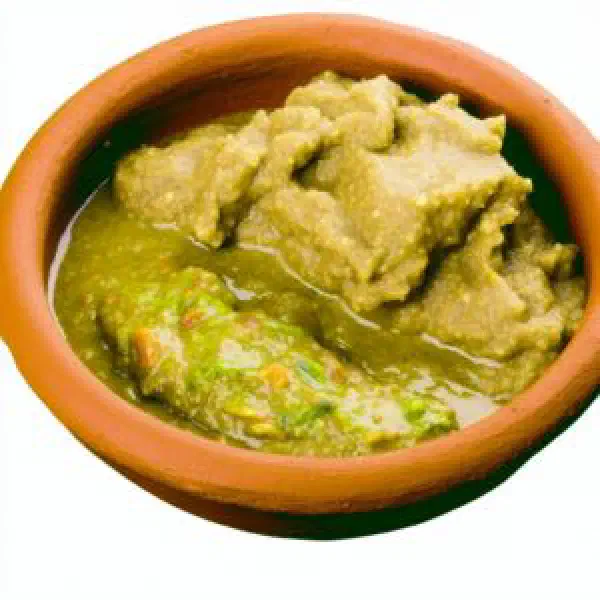
Meet Folléré, a dish that sits right at the heart of Chadian home cooking. A smooth, comforting maize porridge is spooned into a bowl and crowned with brightly seasoned vegetables and a savoury sauce, making every mouthful feel both nourishing and generous. It is the kind of food that has fed families and travellers across the Sahel for generations, and it asks for very little beyond a pan, a wooden spoon and a bit of patient stirring.
About Folléré
Folléré is a traditional dish from Chad that many people regard as the very essence of the country’s regional cooking. It brings together a range of flavours and is built from carefully chosen, honest ingredients. Folléré is most often served with fresh vegetables and a well-spiced sauce that rounds the whole plate off beautifully. Every spoonful is a small tour, reflecting the cultural roots and everyday rhythms of Chadian life.
Ingredients (serves 1–2)
- 250 g maize flour
- 500 ml water
- 200 g vegetables (carrots, courgette, peppers)
- 2–3 tablespoons oil (olive or groundnut oil)
- Seasoning to taste (salt, pepper, chilli)
- Optional: meat or fish for a protein-rich version
Shopping for the ingredients
When you shop for folléré, look for the freshest produce you can find. Local markets and wholefood shops are your best bet for good-quality staples, and it is worth paying particular attention to the vegetables, since they carry much of the dish’s flavour. African and Asian grocers often stock the specific flours and spice blends that lift the dish further, and a well-chosen groundnut oil will bring a subtle depth you simply will not get from a neutral supermarket oil.
Preparing the dish
Before you begin cooking folléré, gather everything and get it prepped. Wash the vegetables and cut them into small, even pieces so they cook through at the same rate. If you are going for the protein-rich version, trim and portion the meat or fish at this stage too. Good preparation makes the actual cooking far quicker and far less stressful, which matters here because the porridge needs your hands free for constant stirring.
Step-by-step instructions
- Bring the water to the boil in a heavy-based pan.
- Add the maize flour gradually, stirring continuously so that no lumps form.
- Cook the mixture over a low heat for 15–20 minutes, stirring throughout, until it is thick and smooth.
- Meanwhile, fry the vegetables — and the meat or fish, if using — in a pan with the oil.
- Spoon the cooked maize into a bowl and serve topped with the fried vegetables and sauce.
Gluten-free / lactose-free version
Folléré is easy to prepare in a gluten-free form: simply make sure the maize flour you use is certified gluten-free, as some mills process wheat on the same line. The dish is also naturally lactose-free, provided you leave dairy out of the accompanying sauce. That makes it a genuinely welcoming option for anyone with an intolerance. Do check the labels on your seasonings and stock as well, so the whole plate stays safe.
Tips for vegans and vegetarians
For vegans and vegetarians, folléré is an excellent route to a nourishing, well-balanced meal. Swap the meat or fish for plant-based protein such as lentils or chickpeas, both of which sit very happily alongside the maize base. Varying the vegetables, adding okra, spinach or pumpkin, makes the dish more colourful and more nutritious at once. A confident hand with the spices will keep everything tasting rich rather than plain.
More tips and tricks
A few small habits will noticeably improve your folléré. Freshly chopped herbs such as coriander or parsley stirred through at the end give the bowl a welcome lift of freshness. Experiment with different sauces to steer the flavour where you want it, from mild and tomato-led to fiery with chilli. Presentation matters too, so serve the dish on a colourful plate, much as you would a plate of Daraba.
Adapting the recipe to your taste
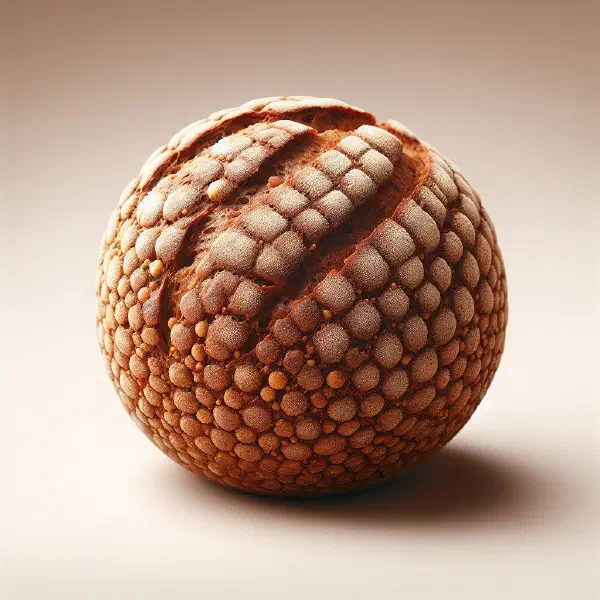
Folléré is remarkably flexible and adapts easily to personal preference. Try different vegetables through the seasons, or build your own spice mix to suit the palates around your table. The consistency is fully in your control as well: add a little more water for a softer porridge, or hold back for a firmer, sliceable result closer to a traditional Boule. That adaptability is what keeps the dish interesting meal after meal.
Ingredient substitutions
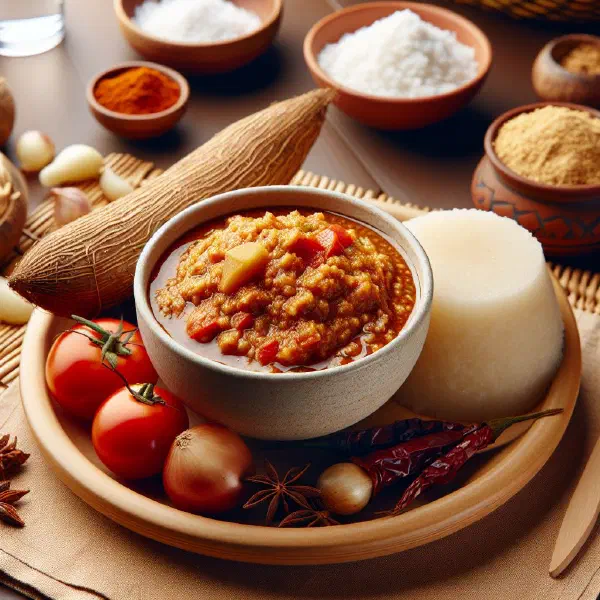
If some ingredients prove hard to track down, there are plenty of workable alternatives for folléré. Buckwheat flour in place of maize flour gives an intriguing, nuttier variation, while millet flour keeps things closer to the Sahelian original. Most vegetables swap freely depending on what is in season, so the dish never has to feel repetitive. A good Peanut Sauce makes an excellent stand-in whenever your usual sauce ingredients run short.
Drink pairing ideas
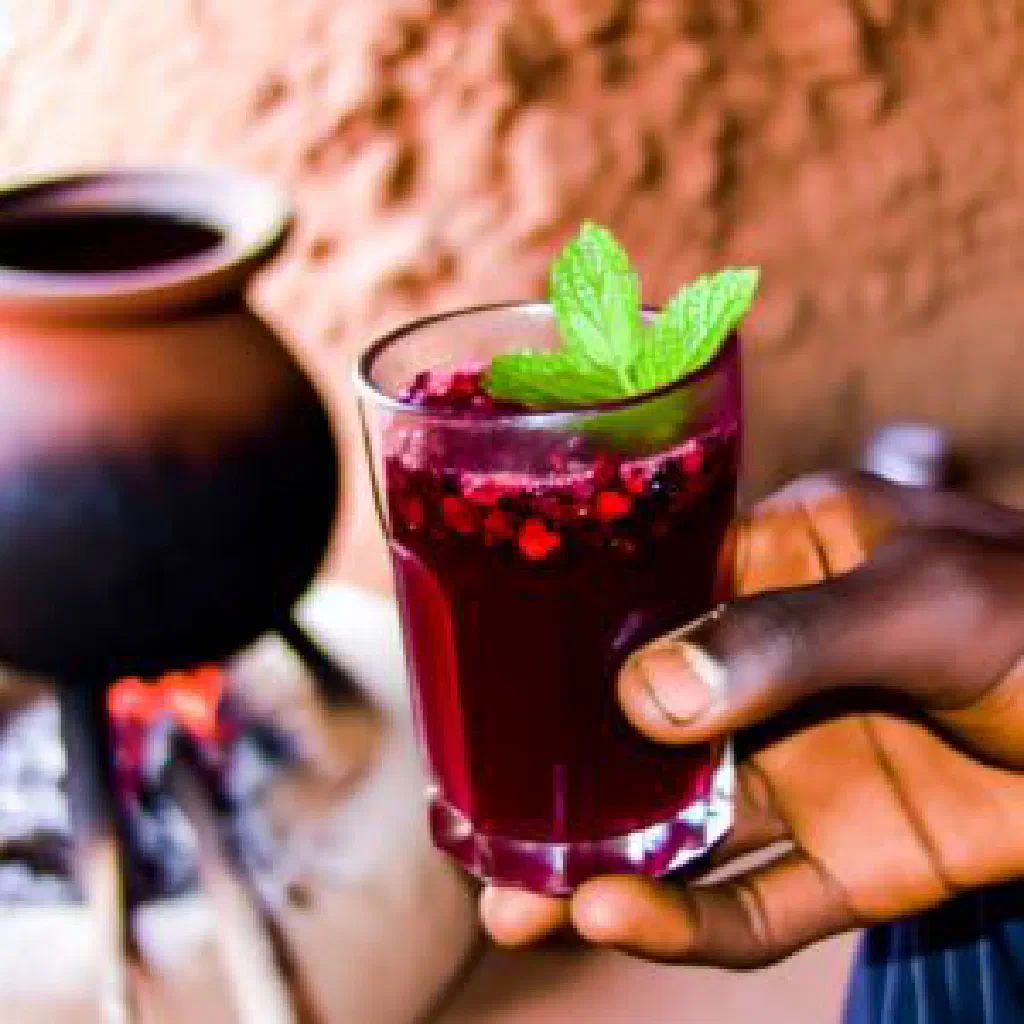
A hearty dish like folléré takes a range of drinks well. A cool traditional African beer complements the earthy maize beautifully, while fresh regional fruit juices offer a lighter, brighter contrast. Mango or pineapple juice works particularly well against the spice, and a tart glass of Jus De Bissap is the classic Chadian choice if you want something non-alcoholic with real character.
Serving and presentation ideas
How you serve folléré makes a genuine difference to the meal. Present it in large, colourful bowls and garnish with fresh herbs or sliced chillies for a splash of colour. Using traditional earthenware adds atmosphere and underlines the cultural side of the dish. We eat with our eyes first, so a little thought at the table pays off handsomely.
A bit of history
Folléré has a long history, rooted deep in the culture of Chad. It began as a practical, sustaining food for nomadic communities crossing the Sahel, where maize and millet could be carried and cooked simply. Over time it grew into a symbol of Chadian gastronomy, served at festivals and important gatherings where community and tradition take centre stage. In that sense folléré tells you as much about the country’s customs as it does about Chadian cuisine itself.
More recipe ideas
Summary: Folléré
In short, folléré is an indispensable dish that captures the varied flavours and rich culture of Chad. Its combination of simple, fresh ingredients and near-endless scope for adaptation appeals to curious cooks and to anyone with particular dietary needs alike. Folléré is always a rewarding choice. Enjoy this tour and discover the treasures of African cooking for yourself.