National Dish Chad: Kanda (Recipe)
In this article
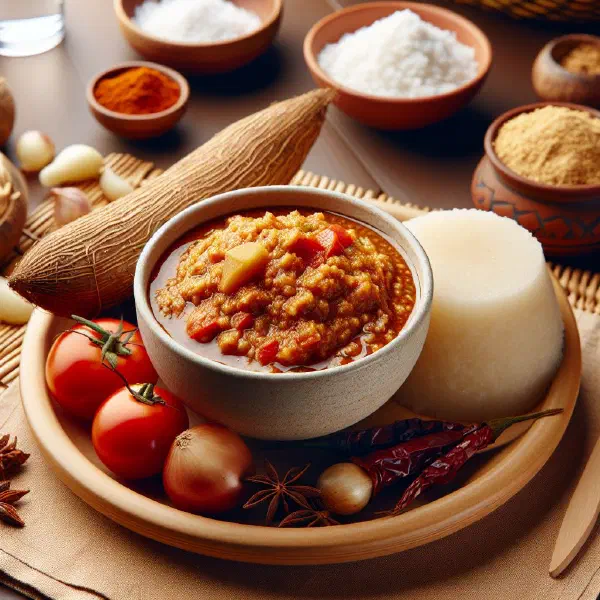
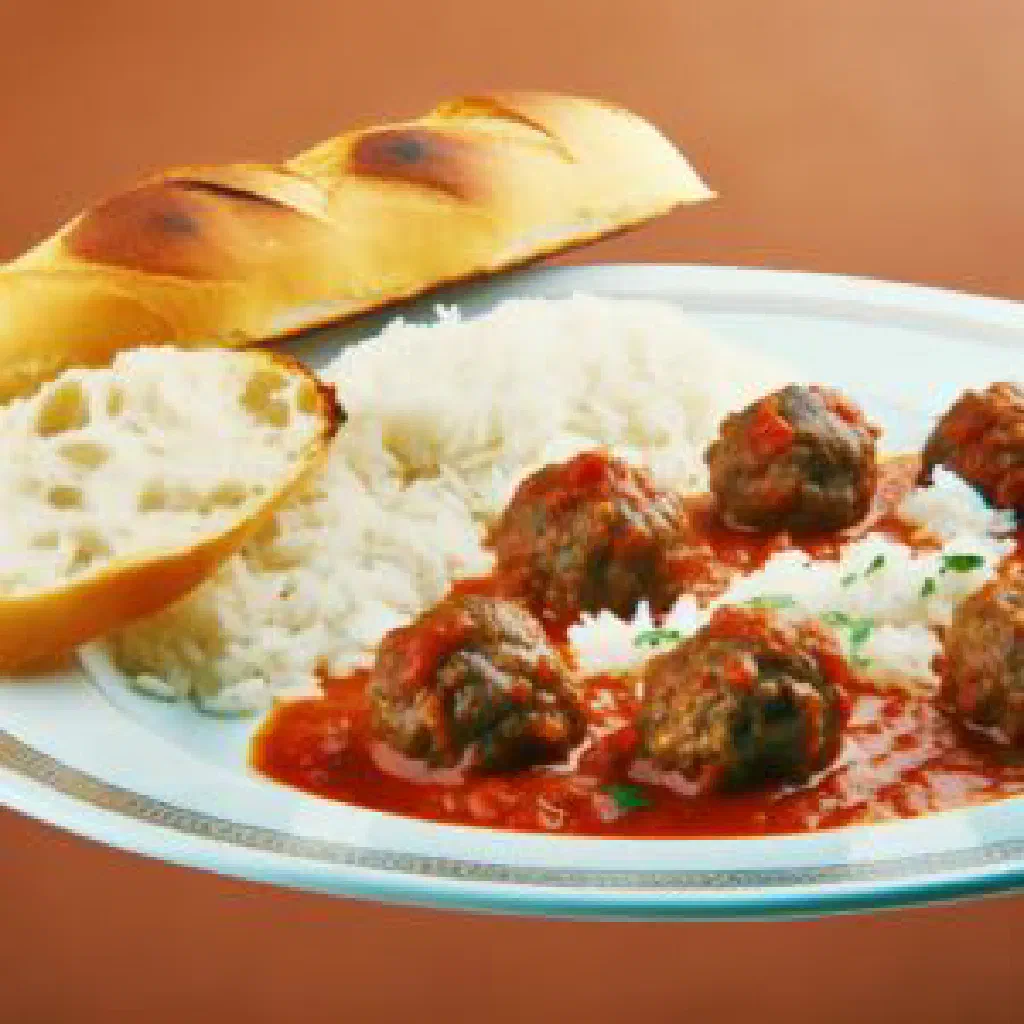
Meet Kanda, the national dish of Chad and a plate that says a great deal about the country it comes from. Millet or maize forms the backbone, lifted by a warm, chilli-spiked tomato sauce and whatever fresh vegetables the market has that morning. It is filling without being heavy, easy to scale up for a crowd, and every household seems to make it slightly differently. Bring a little of the Sahel to your own kitchen with this straightforward, deeply satisfying recipe.
About Kanda
Chad’s national dish Kanda is a genuine feast, one that reflects not only the country’s flavours but its cultural identity as well. It brings together fresh ingredients such as millet or maize with a range of accompaniments and a boldly spiced sauce. That combination makes Kanda a hearty, nourishing meal enjoyed at festivals and on ordinary weeknights alike. The dish is a testament to the culinary traditions of the region and to the practised techniques of the cooks who keep them alive.
Ingredients (serves 1–2)
- 200 g millet or maize
- 1 onion, finely chopped
- 2 tomatoes, diced
- 1–2 cloves of garlic, crushed
- 1–2 chillies (depending on how hot you like it)
- Salt and pepper to taste
- Oil for frying
Shopping for the ingredients
To guarantee the best flavour in your Kanda, choose fresh, good-quality ingredients. Visit a local market or a specialist African grocer so you can buy the millet or maize as close to the producer as possible. Buy the vegetables and spices fresh too, as this makes a noticeable difference to the finished dish. It is worth comparing a few sources to find the best prices and the best produce.
Preparing the dish
Good preparation is what makes Kanda work. Start by rinsing the millet or maize thoroughly, then pre-cook or soak it depending on which grain you have chosen. While that is happening, chop the onion and get the rest of the vegetables ready so everything is to hand once the frying begins. Prepping properly saves time at the stove and helps the different flavours merge harmoniously.
Step-by-step instructions
- Cook the millet or maize according to the packet instructions and set it aside.
- Heat the oil in a pan and fry the onion until translucent.
- Add the garlic and chillies and fry briefly.
- Stir in the diced tomatoes and mix everything together well.
- Season with salt and pepper and let the mixture simmer for a few minutes.
- Add the cooked millet or maize to the pan and combine thoroughly.
- Arrange the Kanda on plates and garnish as you like.
Gluten-free / lactose-free version
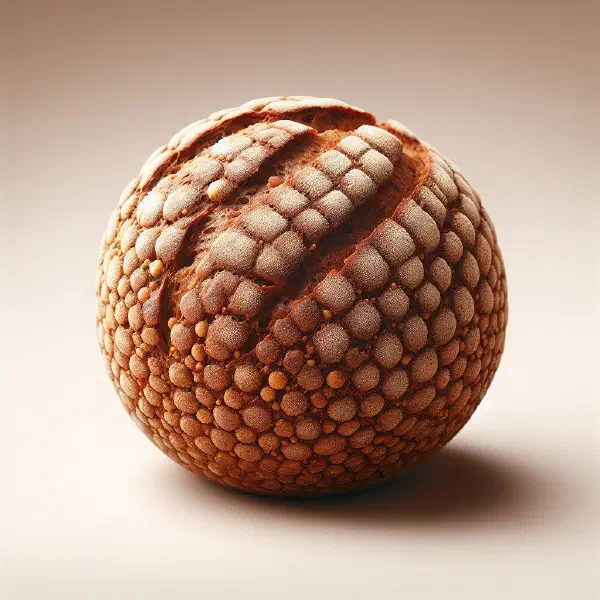
Kanda is naturally gluten-free as long as you stick to millet or maize, which makes it an excellent choice for anyone with a gluten intolerance. The remaining ingredients contain no lactose either, so there is nothing to worry about on that front. The spice mix and the oils used are equally free of dairy, which makes adapting this dish for particular dietary needs remarkably easy, much like the grain-based Boule de Mil.
Tips for vegans and vegetarians
Kanda is a great option for vegans and vegetarians, since it is entirely plant-based. To make it even more nutritious, fold in extra vegetables such as spinach or carrots. Do check that the oils you use are plant-based as well. Serve the dish alongside a crisp green salad for a complete meal.
More tips and tricks
A few extra tips and tricks make the cooking easier and more rewarding. Measure your spices carefully as you go, so you reach a balanced flavour rather than an overwhelming one. Let the Kanda rest for a few minutes before serving to give the aromas time to develop fully.
Adapting the recipe to your taste
One of the best things about Kanda is its versatility. You can adjust the recipe entirely to your own preferences, adding or swapping ingredients as you go. Vary the heat by using more or fewer chillies, for instance, or work in whichever vegetables you happen to enjoy most. Playing with different combinations lets you create a personal Kanda that hits exactly the right note. A spoonful of Peanut Sauce alongside is a popular addition.
Ingredient substitutions
If you do not have everything to hand, there are several alternatives worth trying. Quinoa works well in place of millet and gives the dish a slightly different character. For the accompaniments, other vegetables or even plant-based meat alternatives can liven things up. Substitutions like these let you be creative while still ending up with a delicious result.
Drink pairing ideas
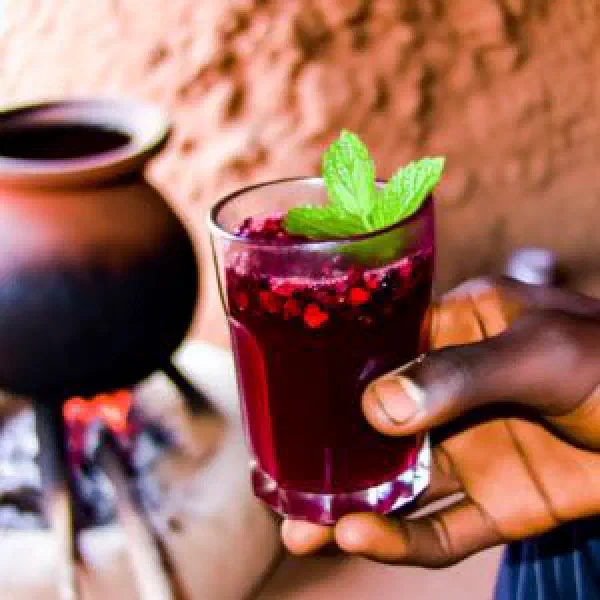
A hearty dish like Kanda goes with a range of drinks that underline its flavours. Water with a slice of lemon or a fresh mint tea are excellent choices for taking the edge off the chilli, as is a chilled glass of Jus de Bissap. If you prefer something alcoholic, a light white wine or a cold lager works beautifully. Any of these makes a fitting companion and rounds off the meal nicely.
Serving and presentation ideas
How you present your Kanda matters a great deal to the enjoyment of it. Use colourful plates or bowls to bring out the variety of the ingredients. Decorate the dish with fresh herbs or edible flowers for an appealing finish. Thoughtful garnishes do not just make the food look better. They build anticipation for the first mouthful.
A bit of history
Kanda has a long tradition in Chad and is a symbol of the country’s culinary identity. It is deeply woven into the cultural roots of the population and is often served at festivals and celebrations. Because Chad is home to many different ethnic groups, there are countless regional variations of Kanda, passed down from one generation to the next. That inheritance speaks not only to the range of Chadian cuisine but to the pride and history of the people who cook it.
More recipe ideas
Summary: Kanda
Kanda is more than a nourishing meal; it is a small piece of Chadian culture and history served on a plate. With its range of fresh ingredients and warming spices, it wins over cooks and eaters all over the world. It is simple to prepare and easy to adapt, which makes it a perfect choice for just about any occasion. Enjoy both the cooking and the eating of this delicious Chadian national dish.