National Dish Chad: Millet Couscous (Recipe)
In this article
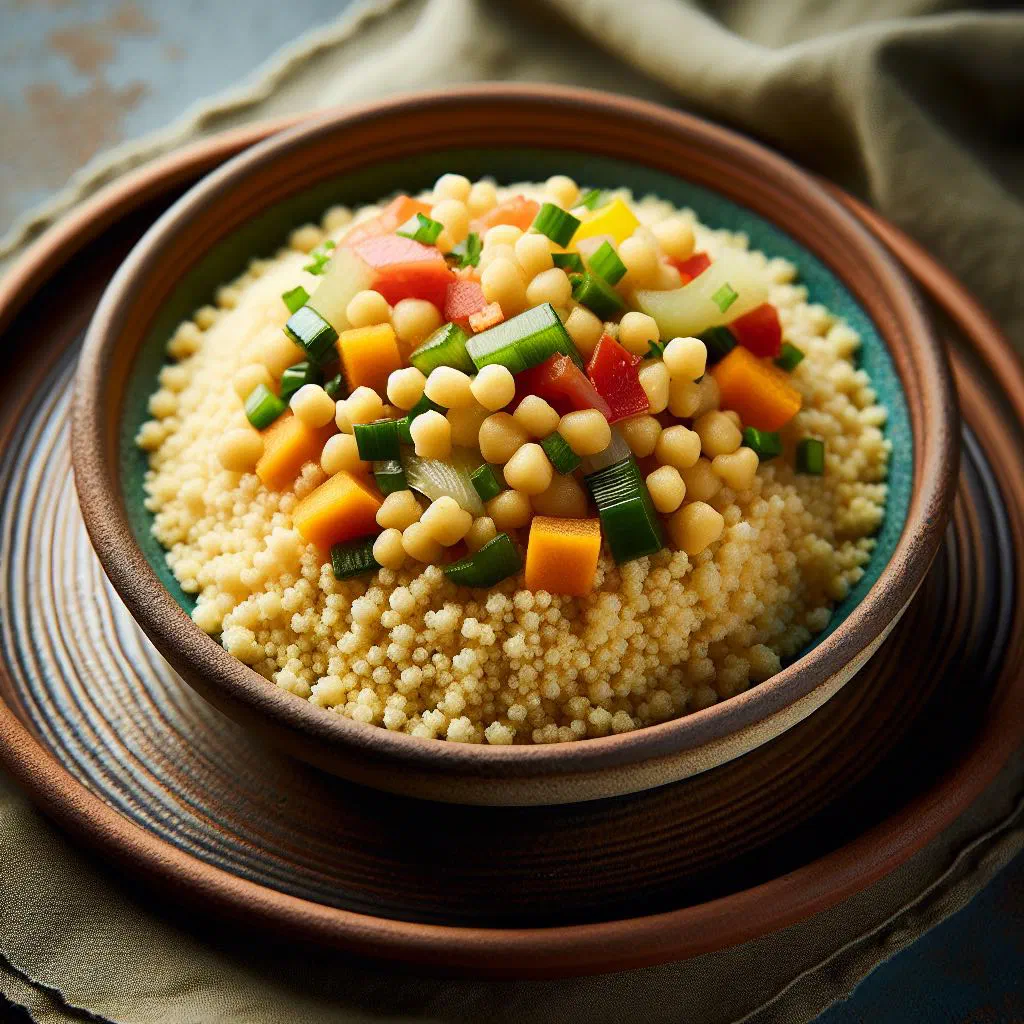
Discover Millet Couscous, the national dish of Chad and a genuine feast for the senses. Nutty millet is tossed with brightly coloured seasonal vegetables and finished with a handful of fresh herbs, giving you a meal that is wholesome, filling and naturally gluten-free. It is grand enough for a celebration yet simple enough to cook on an ordinary weeknight, and it carries the honest, sun-warmed flavours of the Sahel straight to your table.
About Millet Couscous
The national dish of Chad, known locally as couscous de mil, brings together millet and fresh vegetables to create a nourishing, satisfying meal. Millet is rich in nutrients and naturally free from gluten, which makes it an excellent choice for a great many diets. Millet Couscous is a fixture at celebrations and family gatherings, and it is equally at home as an unfussy everyday supper.
Ingredients (serves 1–2)
- 250 g millet
- 2–3 carrots
- 1 courgette
- 1 pepper
- 1 onion
- 3 tablespoons olive oil
- Salt and pepper to taste
- Fresh herbs (coriander or parsley, for example)
Shopping for the ingredients
When shopping for Millet Couscous, pay attention to the quality of both the millet and the vegetables. Visit local markets or a health-food shop to find the freshest produce. A generous handful of fresh herbs makes a noticeable difference to the finished flavour, so it is well worth buying those fresh too. With a little planning you can gather everything you need without any trouble and conjure up a delicious meal.
Preparing the dish
Good preparation is the key to success with Millet Couscous. Start by washing the vegetables thoroughly and cutting them into small, even dice. Make sure the millet is rinsed properly as well, which removes any lingering bitterness. Depending on what you enjoy, you can add further vegetables or vary the recipe entirely to suit your own taste.
Step-by-step instructions
- Put the millet into a pan of water and bring to the boil. Simmer over medium heat for 15–20 minutes until tender.
- Sauté the vegetables (carrots, courgette, pepper, onion) in a frying pan with olive oil until soft.
- Add the cooked millet to the vegetables and mix thoroughly.
- Season with salt, pepper and fresh herbs, then fry briefly for a little longer.
- Serve the dish warm and garnish as you like.
Gluten-free / lactose-free version
Millet Couscous is naturally gluten-free, because millet is used in place of wheat. That makes it an ideal choice for anyone with a gluten intolerance. The recipe also contains no dairy whatsoever, so people who are lactose intolerant can enjoy it without a second thought. Do check, however, that any additional ingredients you bring in are likewise free from gluten and lactose.
Tips for vegans and vegetarians
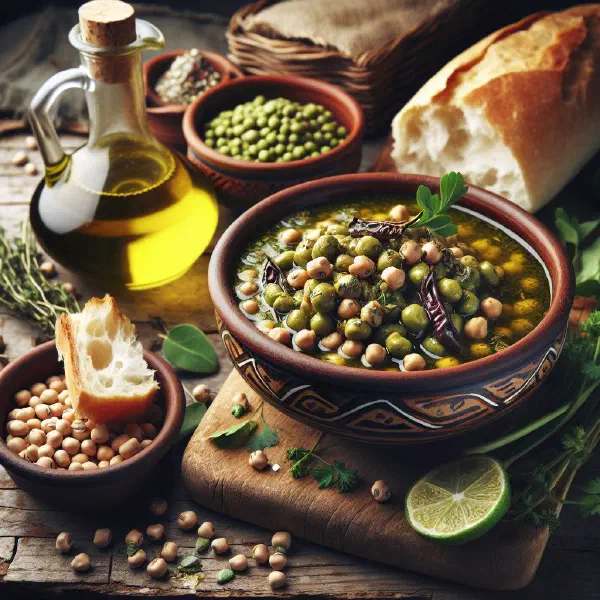
For vegans, Millet Couscous is an outstanding choice, since it uses no animal products at all. Ingredients such as vegetables, millet and oil are perfectly suited to a plant-based diet. For extra protein you might stir in tofu or chickpeas, much as you would for a bowl of Bissara. Vegans and vegetarians alike can adjust the recipe so it fits their nutritional needs exactly.
More tips and tricks
A few tips and tricks go a long way here: experiment with different spices and herbs to build extra layers of flavour. The dish takes beautifully to nuts or dried fruit if you would like a sweeter note. Take care not to season the vegetables too early while frying, so their aromas have time to develop properly. Striking the right balance between the ingredients is what turns a good plate into a harmonious one.
Adapting the recipe to your taste
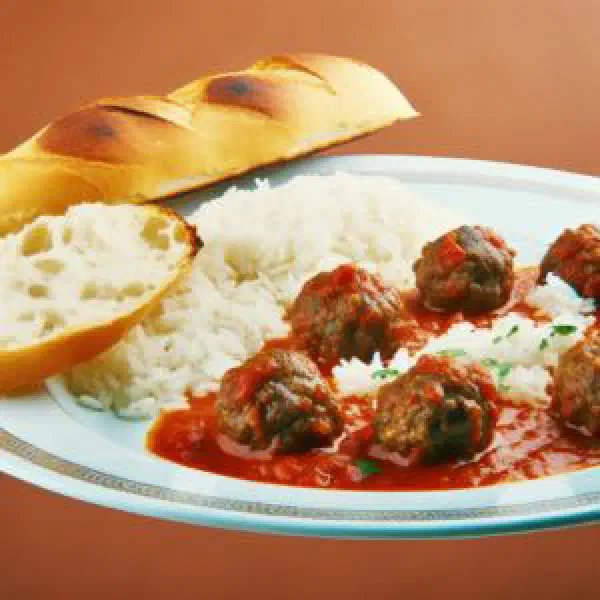
The beauty of Millet Couscous lies in how readily the recipe adapts to personal preference. You can use whichever vegetables are in season or easiest to find. If you prefer a sharper, hotter edge, add a few strips of chilli. In areas with good access to the water, fish or seafood slips in nicely too. Think along the lines of a Poisson Braisé.
Ingredient substitutions
The choice of ingredients for Millet Couscous is refreshingly flexible. Instead of millet you can reach for quinoa or bulgur wheat to achieve a similar texture. Beyond that, different vegetables such as aubergine or green asparagus enrich the dish and lend it new flavours. Substitutions like these let you tailor the recipe to any occasion and make it tastier still.
Drink pairing ideas
Several drink options round out the flavours of Millet Couscous. A refreshing mint tea is an excellent partner and underlines the aromas of the dish. Alternatively, serve a light, fruity cordial such as Jus de Bissap, or simply still water with a squeeze of lemon. Drinks like these provide a balanced accompaniment and finish the meal off perfectly.
Serving and presentation ideas
Thoughtful presentation can lift the whole experience of eating Millet Couscous. Serve it in a decorative bowl and garnish with freshly chopped herbs. Small dishes of accompaniments, toasted nuts, say, or pickled vegetables, give your guests the chance to combine flavours as they please. An attractive table setting draws the eye to this handsome dish as well.
A bit of history
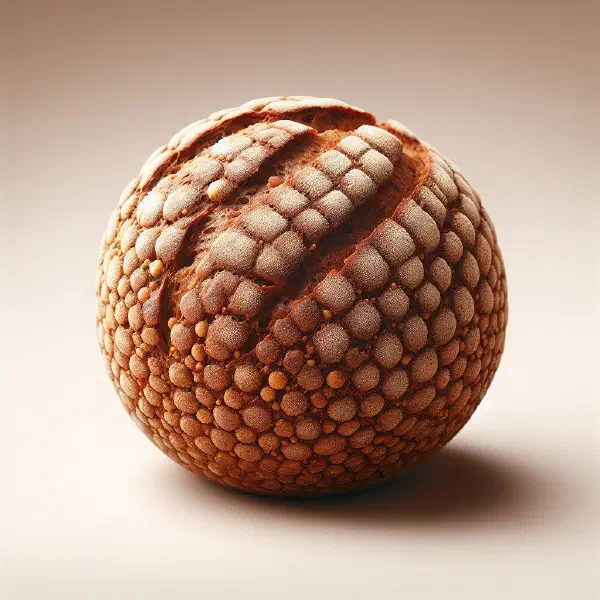
Millet Couscous has its origins in traditional Chadian cuisine and is a symbol of the country’s cultural identity. The dish reflects the simple yet nourishing ingredients that grow in the region. Millet is among the oldest cultivated crops in the world and is valued as a staple food across many African countries, appearing in everything from porridge to Boule de Mil. Preparing Millet Couscous is often a communal act that draws family and friends together.
More recipe ideas
Summary: Millet Couscous
Millet Couscous is a delicious, nourishing meal that is straightforward to make and embodies the authentic taste of Chadian cooking. With its wholesome line-up of millet and fresh vegetables, it offers no end of ways to adapt it to suit every palate. This dish is always a sound choice. Let its varied aromas and hearty preparation win you over, a truly culinary experience.