National Dish Chad: Tô (Recipe)
In this article
Discover Tô, the humble staple that sits at the very heart of Chadian cooking. Made from nothing more than maize flour, water and a pinch of salt, it is proof that the simplest dishes are often the most satisfying. Its soft, pliable texture is made for scooping up rich sauces, whether you pair it with vegetables, meat or fish. Share a bowl the way Chadian families do, and you will understand why this dish has held its place for generations.
About Tô
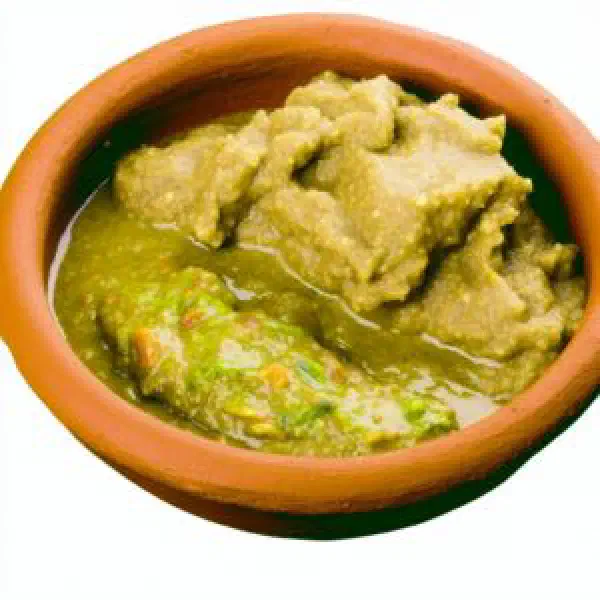
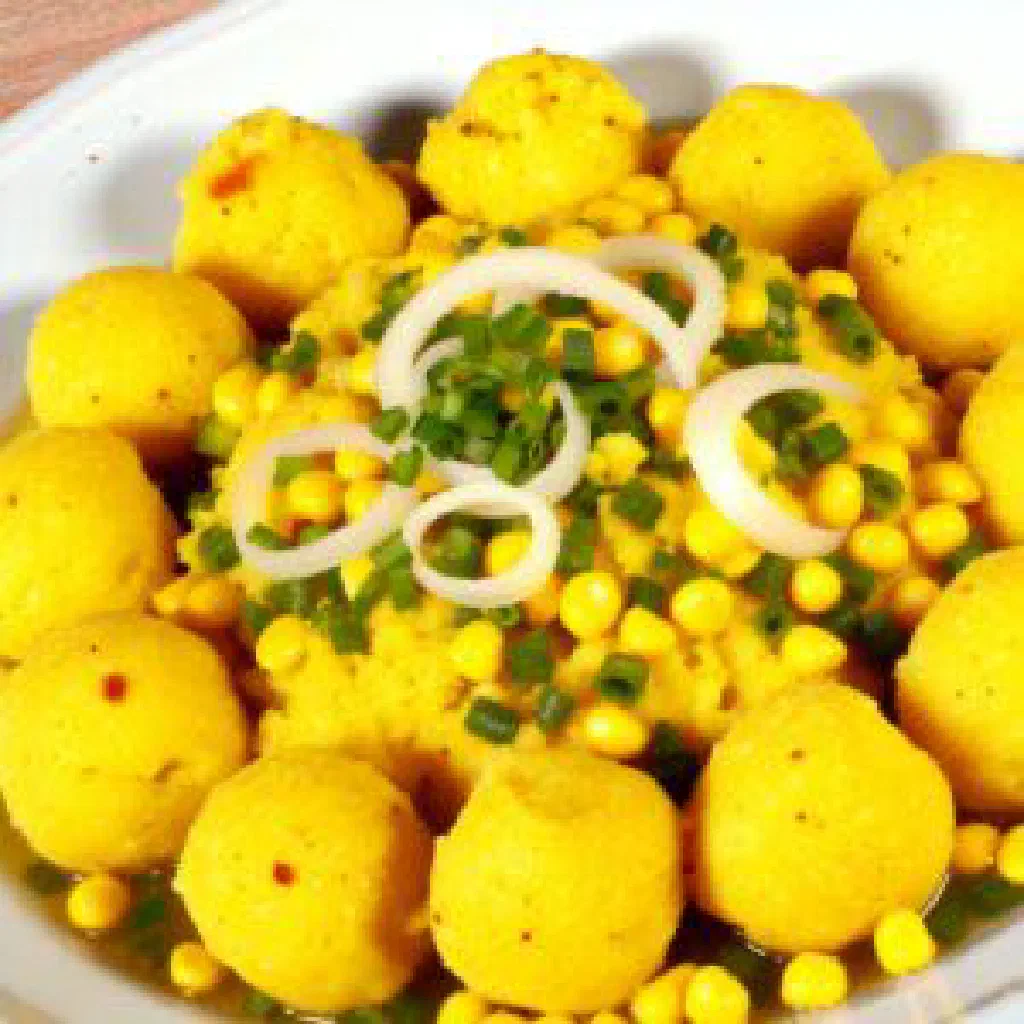
Tô is a traditional dish from Chad made from maize flour and water. Over the years this nourishing staple has grown into a cornerstone of Chadian culture. Preparing it is straightforward, and it plays a central role in community life, since it is usually shared and enjoyed together. Tô is also remarkably versatile and can be served with all manner of accompaniments that enrich the eating experience, much as the sauces served alongside Ragout De Viande do.
Ingredients (serves 1–2)
- 250 g maize flour
- 500 ml water
- A pinch of salt
- Accompaniments of your choice (vegetables, meat, fish)
Shopping for the ingredients
To make tô you will want fresh, good-quality ingredients. The best place to buy maize flour is a nearby African grocery or an online shop that carries international products. Store the flour carefully so it stays fresh. Accompaniments such as crisp vegetables or good cuts of meat are worth sourcing from local markets to get the very best flavour.
Preparing the dish
Before you start cooking tô, it is important to have everything to hand. Measure the maize flour and the water precisely so you achieve the right consistency. In the meantime you can prepare the accompaniments, whether that means chopping vegetables or seasoning meat and fish. Careful preparation keeps the whole process running smoothly.
Step-by-step instructions
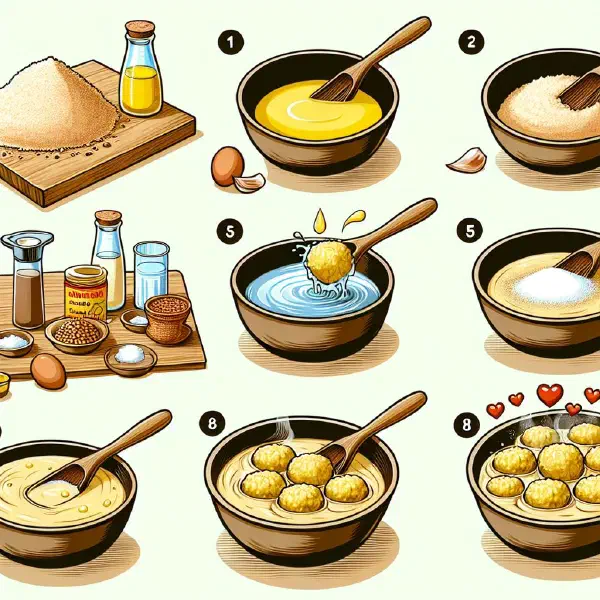
- Pour the water into a pan and bring it to the boil.
- Add a pinch of salt to season the water.
- Reduce the heat and slowly add the maize flour, stirring constantly.
- Work the mixture with a wooden spoon until it forms a smooth, even mass.
- Shape the tô into small portions and leave it to rest for about 10 minutes.
Gluten-free / lactose-free version
Tô is ideally suited to a gluten-free diet, since it consists entirely of maize flour. There is no need to fall back on other types of flour, which makes it an excellent choice for anyone with a gluten intolerance. It is naturally lactose-free too, so it works well for those who avoid dairy. When you cook tô, simply adapt the accompaniments to your own needs and preferences so the meal suits everyone at the table.
Tips for vegans and vegetarians
For vegans and vegetarians, tô offers plenty of scope. Because the base recipe is entirely plant-based, you can serve it with any number of vegetables. Seasonal produce and pulses work particularly well, adding extra protein and nutrients to the plate. Experiment with spices and herbs as well to lift the flavour and bring variety to the meal, a hibiscus-based Sauce Folere is a fine meat-free partner.
More tips and tricks
A few small tricks can improve your tô considerably. Careful temperature control while the water heats is decisive for the final consistency. You can also try steaming the tô in a silicone mould to achieve an even smoother texture. Keep it well covered so it stays warm and pliable while you finish the accompaniments.
Adapting the recipe to your taste
The flexibility of tô makes it easy to shape the dish around your own preferences. You might blend the maize flour with other flours, such as millet or rice flour, to bring in different flavours and nutrients. The accompaniments can be chosen freely too, whether by adding spiced sauces or reaching for seasonal ingredients. Let your imagination run and make tô entirely your own.
Ingredient substitutions
If you have no maize flour to hand, other gluten-free flours will do the job. Millet flour or buckwheat flour are good alternatives that give the dish a similar consistency. It is worth experimenting with slightly less water to see how the texture changes. Make sure any alternative flour is free of additives so the dish keeps its wholesome character. A nutty Sauce Darachide will happily cover any small differences in flavour.
Drink pairing ideas
The right drink rounds off the tô experience beautifully. Across much of Africa, tô is served with fresh water or traditional herbal teas such as The Au Gingembre. For something more festive you might reach for a local beer or a light homemade wine, both of which suit the hearty accompaniments. These drinks harmonise with the food and encourage the sociable spirit of the meal.
Serving and presentation ideas
Presentation matters if you want tô to look as inviting as it tastes. Serve it in an attractive bowl and garnish with fresh herbs or edible flowers for a splash of colour. Arrange the accompaniments artfully around the tô to give the plate a generous, considered look. A thoughtful presentation sharpens the appetite and deepens the appreciation of traditional food.
A bit of history
Tô has a long tradition in Chadian cooking and has long been established as a staple food. Many Chadian families have prepared it for generations, following recipes handed down by word of mouth. It is an everyday dish and has an important place at special occasions and celebrations. Making tô is often understood as a kind of shared ritual within the family, one that strengthens social bonds and anchors the wider traditions of Chadian cuisine.
More recipe ideas
Summary: Tô
Tô is more than just a dish; it is a symbol of community and part of Chad’s cultural identity. Its simple preparation and versatility make it an excellent choice for any meal. Whether with vegetables, meat or fish, tô can be shaped to suit every table and every taste. Discover the pleasure and the flavour of Chadian cooking by giving tô a place in your own kitchen.