National Dish Chile: Chapalele (Recipe)
In this article
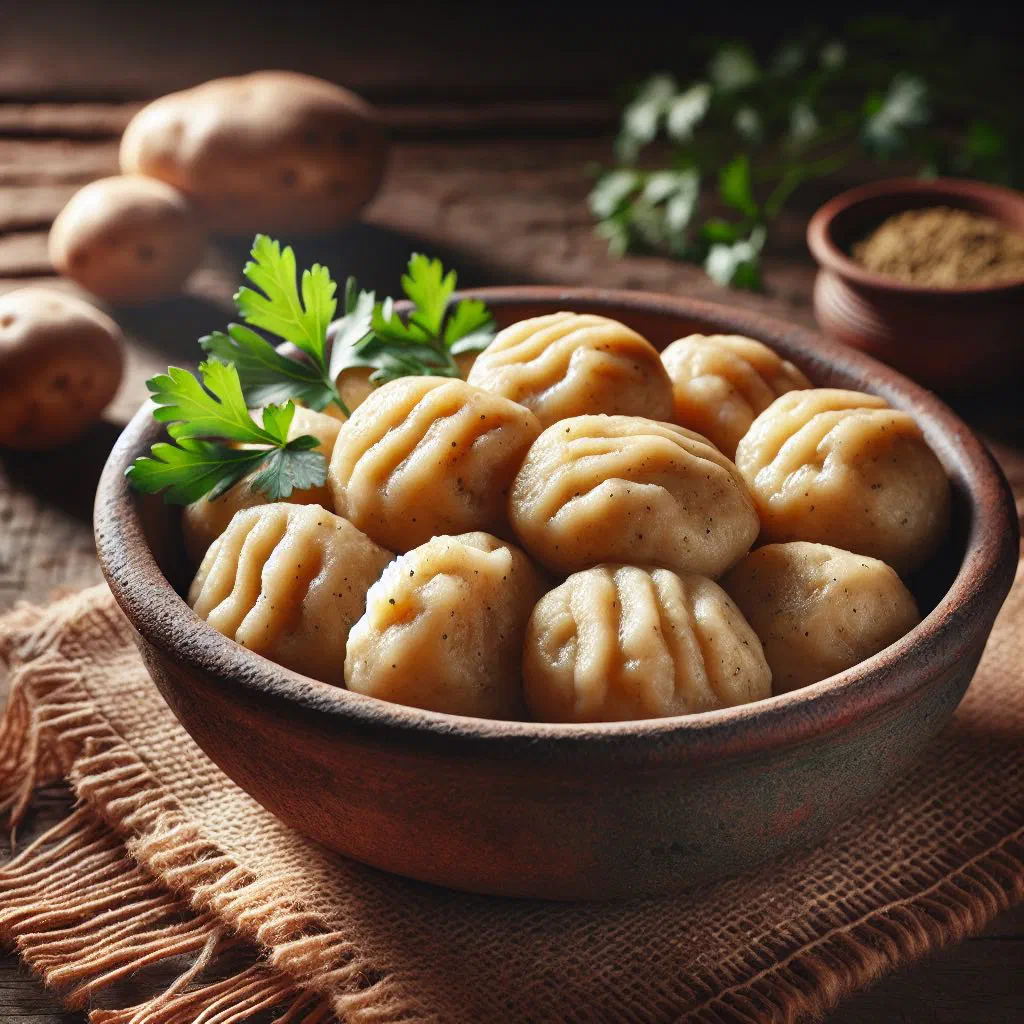
Meet Chapalele, a humble potato dumpling that carries the soul of southern Chile in every bite. Born in the farmhouse kitchens of Chiloé, it blends soft, boiled potatoes with wheat flour into a supple dough that can be filled with meat or vegetables and simmered until tender. Rustic, filling and made for sharing, chapalele is the kind of homely comfort food that turns a simple family meal into a warm gathering around the table.
About Chapalele
Chapalele is a traditional Chilean dish that captures the flavours and culture of this fascinating country beautifully. At its heart is a mixture of potatoes and wheat flour, worked together into a smooth, pliable dough. It is often served with a tasty filling of meat or vegetables, which lends the dish an extra depth of flavour. More than just a hearty treat, chapalele is a symbol of Chilean home cooking, the sort of dish that invites you to share and savour it together.
Ingredients (serves 1–2)
- 300 g potatoes
- 100 g wheat flour
- 1 pinch of salt
- 1 tablespoon butter
- 200 g meat or vegetables (as preferred)
- Water, as needed
Shopping for the ingredients
To make chapalele, start by gathering all the ingredients you need. Be sure to pick fresh potatoes, as the quality of the potatoes has a direct effect on the texture of the dough. The wheat flour should be fine and free of additives to achieve the best consistency. When it comes to the filling, you are free to choose between different types of meat or fresh vegetables, according to your personal taste or dietary needs.
Preparing the dish
Before you begin cooking, it is important to prepare the ingredients properly. Boil the potatoes in salted water until soft, then leave them to cool. Once cooled, mash the potatoes and combine them with the wheat flour and salt. This light, straightforward preparation is key to the final result, ensuring the dough turns out even and smooth.
Step-by-step instructions
- Boil the potatoes in salted water, drain and mash them.
- Combine the mashed potato with the wheat flour and a pinch of salt.
- Add the butter to the dough and knead well until smooth.
- Prepare the filling of your choice (fry the meat or vegetables).
- Shape small discs from the dough, place the filling inside and seal well.
- Cook the chapalele in boiling water for about 10–15 minutes, until they float to the surface.
Gluten-free / lactose-free version
For a gluten-free version of chapalele, use gluten-free flour or a blend of potato starch and rice flour. These alternatives are excellent for achieving the same delicious result. For a lactose-free version, swap the butter for plant-based margarine. Just make sure that all the other ingredients you use are lactose-free as well.
Tips for vegans and vegetarians
Vegans and vegetarians can adapt chapalele easily by replacing the meat filling with vegetables or plant-based protein sources. Try a filling of fried vegetables, tofu or seitan to recreate that savoury flavour. Take care to use vegan butter or another plant-based fat to keep the structure of the dough intact. That way everyone can enjoy the delicious variety of chapalele, whatever their dietary preferences. If you enjoy meat-free Chilean cooking, the vegetable-rich Porotos Granados is well worth a try too.
More tips and tricks
A few extra pointers can help you make your chapalele even better. Try boiling the potatoes in their skins to give them a little more depth of flavour. You can also work herbs or spices into the dough to add a special touch. Vary the fillings to discover new taste experiences, sweet, spicy or savoury, anything goes.
Adapting the recipe to your taste
The beauty of chapalele lies in how versatile the recipe is. You can adjust the filling to suit the season and your own preferences, fresh garden vegetables in summer, for example, or a hearty meat filling in winter. The spices can be varied to taste as well, giving you plenty of scope to shape the flavour to your liking.
Ingredient substitutions
If you do not have any wheat flour to hand, you can experiment with other flours such as cornmeal or chickpea flour. Bear in mind that these flours have different properties, which can affect the texture of the dough. For the filling, pulses such as lentils or beans work well too, adding extra nutrients along the way. Substitutions like these open up a whole range of new flavours, much as they do in the hearty Charquicán.
Drink pairing ideas
Chapalele pairs wonderfully with a range of drinks. A fresh Chilean wine, such as a Sauvignon Blanc, makes a refreshing companion. Alternatively, you could serve non-alcoholic drinks like homemade iced tea or ginger lemonade, which also go nicely with the savoury flavours. These combinations lift the whole experience and set the scene for sociable, relaxed gatherings.
Serving and presentation ideas
The way you present your chapalele can heighten the whole enjoyment of the dish. Serve the chapalele on a large plate and garnish with fresh herbs or a colourful sauce. Small bowls of different dips or sauces bring welcome variety to the table. Arranging the dish with seasonal vegetables makes it more visually appealing and adds an extra splash of colour.
A bit of history
Chapalele has a history rooted in Chilean culture, and in the island region of Chiloé in particular. Originally made by farmers, it was prized as a nourishing meal that was easy to carry. Over the years it has grown into a much-loved dish, eaten not only in the countryside but in urban areas too. The combination of regional ingredients and the adaptability of the recipe reflects the diversity of Chilean cuisine.
More recipe ideas
Summary: Chapalele
In short, chapalele is a tasty, adaptable dish that has won the hearts of many Chileans. With a combination of simple ingredients and the flexibility of its filling, anyone can bring the flavours of Chile into their own kitchen. Whether as a main course or a delicious side, chapalele is always a good choice for hearty, comforting food. Let the simplicity and versatility of this dish inspire you, and enjoy a taste of Chilean cuisine.