National Dish Chile: Cochayuyo Stew (Recipe)
In this article
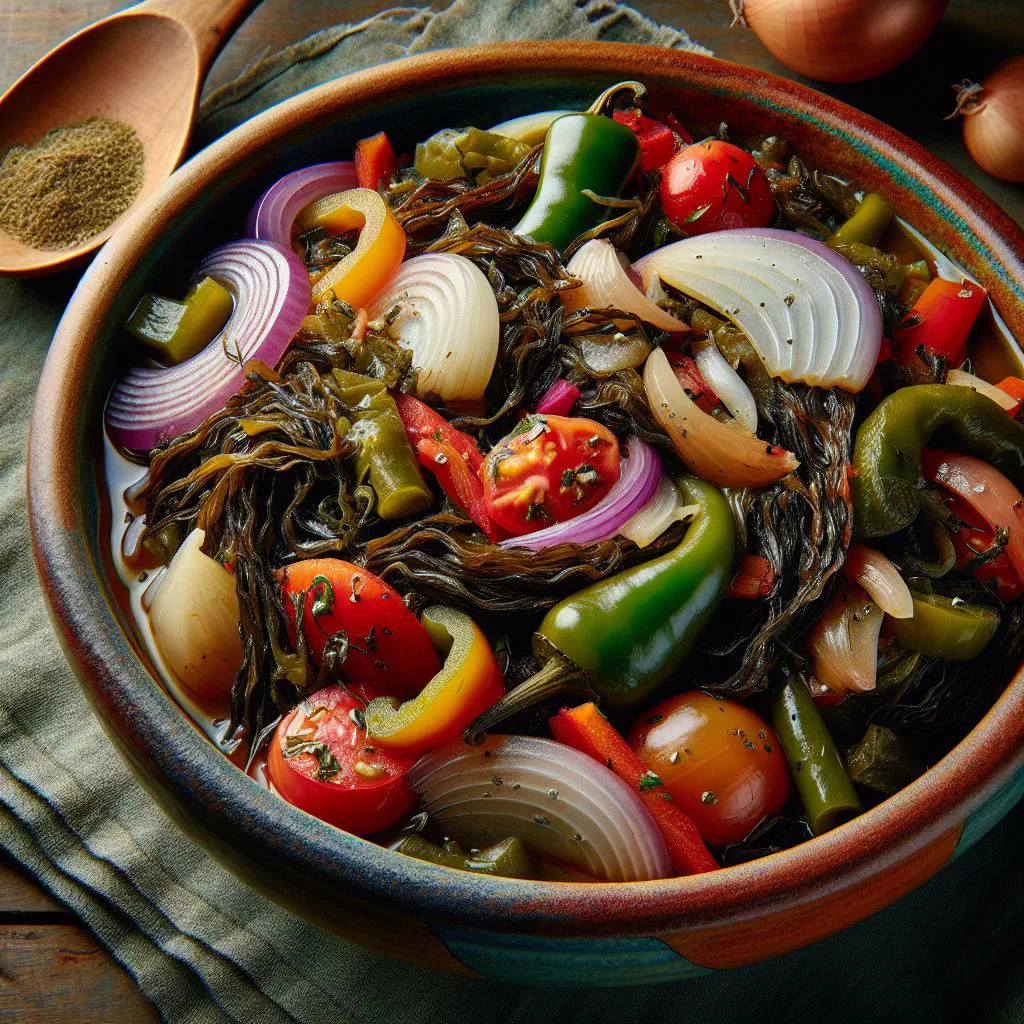
Meet Cochayuyo Stew, a hearty dish that carries the salt and spirit of Chile’s long Pacific coastline. Built around a nutritious seaweed that has nourished the country’s people for centuries, it comes together with everyday vegetables, gentle aromatics and, if you like, a little fish. Warming, wholesome and deeply satisfying, it is exactly the kind of meal you want on a cold, blustery day, the sea and the mountains meeting in a single bowl.
About Cochayuyo Stew
Cochayuyo Stew is a genuine slice of Chilean cuisine, uniting the country’s rich maritime heritage with fresh, healthy ingredients. This nutritious seaweed, celebrated for its many health benefits, forms the backbone of a robust dish. Combined with a variety of vegetables, fragrant seasonings and optionally meat or fish, it becomes a delicacy that pleases every palate. It is also a perfect dish for the colder months, since it not only warms but genuinely nourishes.
Ingredients (serves 1–2)
- 200g cochayuyo (dried)
- 2 potatoes, diced
- 1 carrot, sliced
- 1 onion, diced
- 2 cloves of garlic, chopped
- 500ml vegetable or fish stock
- 1 bay leaf
- Salt and pepper to taste
- Olive oil for frying
- (Optional) 200g fish fillet, diced
Shopping for the ingredients
When shopping for the ingredients for cochayuyo stew, it pays to look for good-quality produce. Cochayuyo is available in most Asian food shops or specialist Latin American grocers. For the vegetables, reach for fresh, local produce to guarantee the best flavour. Remember to pick up the optional ingredient, the fish, too, if you decide to make the version with seafood.
Preparing the dish
Preparing cochayuyo stew is fairly straightforward once you have everything to hand. First, the cochayuyo should be soaked in cold water to soften it and mellow its salty taste. While it soaks, the vegetables can be washed, peeled and cut. It is important to prepare all the ingredients to an even size so that they cook through at the same rate.
Step-by-step instructions
- Rinse the soaked cochayuyo and cut it into pieces.
- Heat a little olive oil in a large pot and sauté the onion and garlic until translucent.
- Add the diced potatoes and carrots and let them sweat briefly.
- Add the cochayuyo and stock, reduce the heat and let it simmer for 20 minutes.
- Stir in the bay leaf and leave the stew to cook for another 10 minutes over a low heat.
- (Optional) Add the fish fillet and cook for 5–7 minutes, until the fish is done through.
- Season with salt and pepper and serve hot.
Gluten-free / lactose-free version
Cochayuyo stew is naturally gluten-free and lactose-free, which makes it a wonderful option for anyone with those intolerances. Do check, though, that the stock and any other ingredients you use are also free from gluten and lactose. The simple nature of this stew means it adapts beautifully to dietary needs, so everyone can enjoy it. This is part of what gives the recipe its versatility and broad appeal.
Tips for vegans and vegetarians
For vegans and vegetarians, cochayuyo stew is easy to adapt. Instead of fish you can add tofu or tempeh to create a protein-rich version. The flavour stays every bit as intense and satisfying thanks to the vegetable stock and the range of seasonings. Add extra vegetables such as courgette, aubergine or peppers to bring even more nutrients and texture to the dish.
More tips and tricks
A few tips can help you refine the dish further. You might add different spices such as paprika, cumin or chilli to give the stew a distinctive edge. If you want a touch more freshness, add a squeeze of lemon juice just before serving. Feel free to experiment with the vegetables until you find the combination of flavours you like best.
Adapting the recipe to your taste
Every recipe can easily be tailored to personal preference. If you prefer a milder version, cut back on the garlic and onion. For a spicier note, use red peppers or fresh chillies. The amount of cochayuyo can be varied too, depending on how “of the sea” you want the stew to taste. This flexibility is what makes the dish so appealing.
Ingredient substitutions
This recipe offers several alternatives that can shape the way it turns out. If cochayuyo is hard to track down, other seaweeds such as nori or wakame work well in stews too. For the stock, a homemade or shop-bought vegan version supports the flavour nicely, the same seaside spirit runs through a fresh Ceviche. Remember that tasting as you cook is the surest way to get the perfect result.
Drink pairing ideas
A number of drinks pair perfectly with cochayuyo stew. A light beer or a refreshing Gewürztraminer make excellent companions that complement the flavours of the dish. If you would rather go alcohol-free, serve a fresh lime and mint tea to lift the whole combination.
Serving and presentation ideas
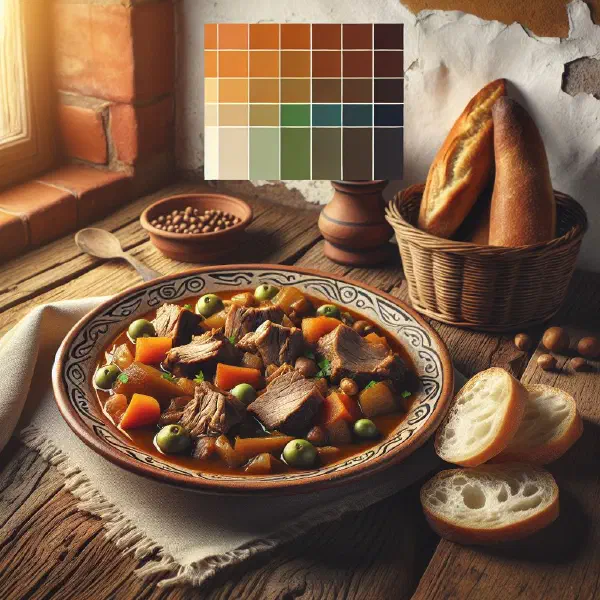
Presentation can add a great deal to the pleasure of eating. Serve the stew in rustic bowls and garnish with fresh herbs such as parsley or coriander to create visual interest. A piece of fresh bread or a neat wedge of lime on the side of the plate gives the dish an accent, much as Pebre brightens a table. Keep the plating clean and tidy, as this only increases the appreciation of the food.
A bit of history
The origins of cochayuyo stew lie deep within Chilean culture, so strongly bound to the sea. Cochayuyo was used as a food source by Chile’s indigenous peoples and has been an important part of dietary habits for centuries. Combining seaweed with seasonal vegetables reflects the age-old tradition of sustainably using everything available. Today the dish is much loved and is a true symbol of Chilean cuisine.
More recipe ideas
Summary: Cochayuyo Stew
In short, Cochayuyo Stew is a versatile, nourishing and flavourful dish that brings together the tastes of the sea and the Andean kitchen to perfection. With the option to adapt it to different dietary needs and preferences, it is an ideal choice for any occasion. Give it a try and let the wonderful flavours of Chilean cooking win you over.