National Dish Chile: Duck Confit (Recipe)
In this article
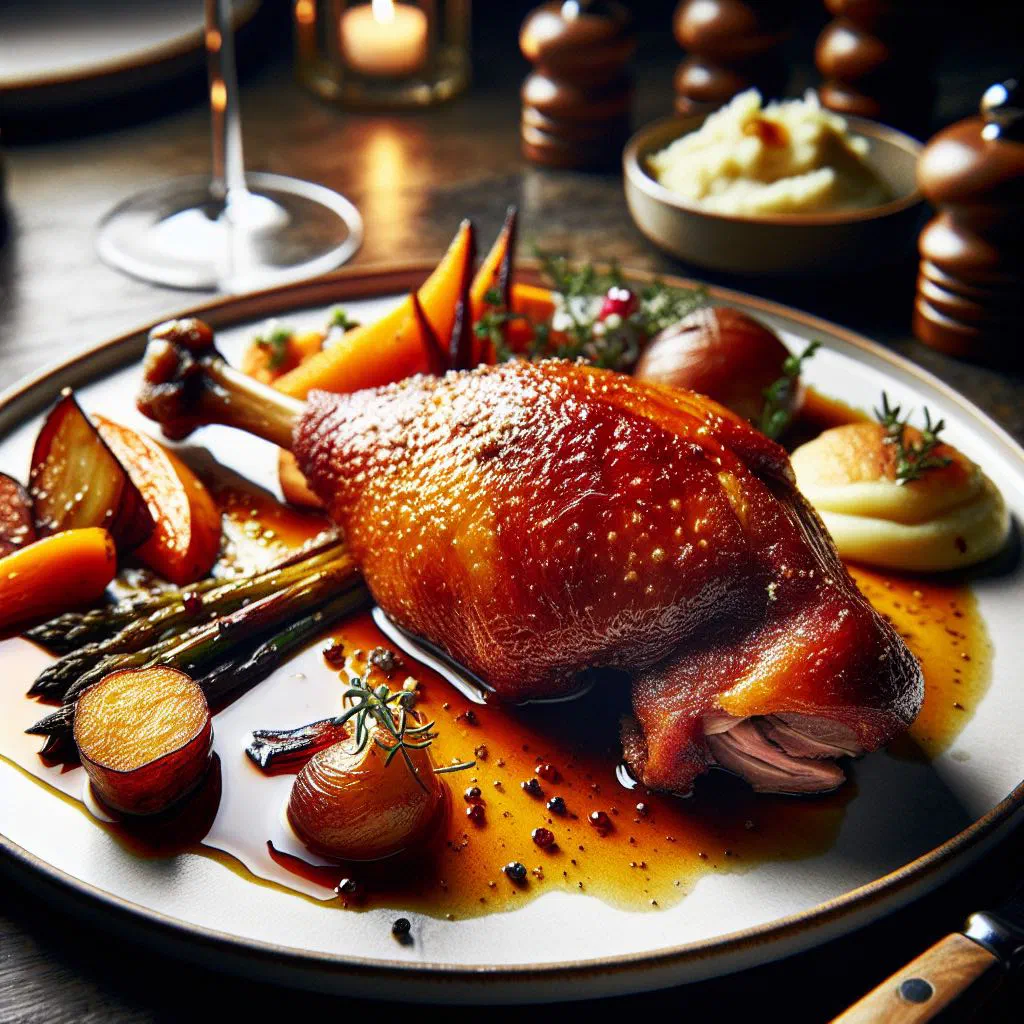
Discover Confit de Pato, a refined take on duck that has found a proud home on Chilean tables. Tender duck legs are gently cooked in their own fat until the meat turns meltingly soft and deeply aromatic. Perfumed with garlic, thyme and a whisper of sweetness, it is the kind of dish reserved for special occasions yet simple enough to master at home. Bring a touch of Chilean celebration to your own kitchen with this unhurried, richly satisfying classic.
About Duck Confit
Confit de Pato is a traditional Chilean dish celebrated for its unmistakable flavour and its slow, careful preparation. At its heart is duck meat, gently poached in its own fat until the flesh becomes tender and wonderfully fragrant. The dish is a firm favourite not only in Chile but internationally too, where its rich, comforting character has won plenty of admirers. It is the marriage of gentle warmth and well-chosen aromatics that turns every mouthful into something memorable.
Ingredients (serves 1–2)
- 2 duck legs
- 500 ml duck fat
- 2 cloves of garlic
- 1 onion
- 1–2 sprigs of fresh thyme
- Salt and pepper, to taste
- Optional: 1 pinch of sugar
Shopping for the ingredients
To make Confit de Pato well, it pays to seek out fresh, high-quality ingredients. Visit your local market or a specialist butcher to find the best duck legs you can. Duck fat is usually stocked by well-supplied supermarkets and good butchers alike. When buying the meat, look for a healthy colour and a firm texture that is not too stringy.
Preparing the dish
Before you start cooking, it helps to have everything ready to hand. Begin by rinsing the duck legs thoroughly and patting them dry. The seasonings play a decisive role in the finished flavour, so chop the onion and garlic finely and set them aside. Make sure you have an ovenproof dish or a heavy pot ready in which to cook the confit gently.
Step-by-step instructions
- Season the duck legs with salt, pepper and, if using, a pinch of sugar, then leave to rest for 30 minutes.
- Melt the duck fat in a large pot over low heat.
- Sauté the onion and garlic in the fat until golden brown.
- Add the duck legs to the pot and cook gently over low heat for about 2–3 hours.
- Turn the duck legs regularly so they cook evenly.
- Once done, lift the legs out of the fat and drain on kitchen paper.
- Serve the confit hot, or store it in the fridge for later.
Gluten-free / lactose-free version
Confit de Pato is naturally gluten-free and lactose-free. Its main ingredients, the duck meat and the duck fat, contain neither gluten nor lactose, which makes the dish particularly appealing for anyone with a food intolerance. As a general rule, simply check that any seasonings you add are also certified free from gluten, and you can enjoy the recipe with complete confidence.
Tips for vegans and vegetarians
For vegans and vegetarians, this dish can serve as inspiration for a plant-based creation. In place of duck, try slow-braised aubergines or mushrooms, which can turn every bit as tender. Instead of duck fat, a blend of vegetable or coconut oil helps to build up the aroma. Experiment with seasonings such as smoked salt or smoked paprika to achieve a distinctive, savoury depth of flavour.
More tips and tricks
To make your Confit de Pato even tastier, add a range of fresh herbs and spices. Rosemary or parsley pair beautifully and bring extra layers of aroma. The dish also lends itself well to being prepared ahead and gently reheated, which makes it ideal for relaxed evenings with company. Let the confit cool completely after cooking before you store it in the fridge.
Adapting the recipe to your taste
This recipe is easy to tailor to different palates. Prefer things spicier? Simply add a small amount of chilli or extra pepper. For a fruity twist, a little orange zest brings an intriguing lightness and freshness to the dish. The main thing is to be creative with the seasonings and give your own taste free rein.
Ingredient substitutions
If you cannot find duck legs, chicken legs make a good stand-in. Substituting the duck fat is possible too, reach instead for a good-quality olive oil or a dairy-free coconut oil. These alternatives carry a different flavour, but they can still deliver a delicious result. Just remember to adjust the cooking time, as chicken cooks through more quickly than duck. The same easygoing spirit runs through hearty braises like Estofado de Cordero.
Drink pairing ideas
Confit de Pato pairs wonderfully with a robust red wine, such as a Chilean Carménère, which mirrors the richness of the dish perfectly. A crisp white wine or a fruity rosé also makes a fine match. If you prefer something alcohol-free, a homemade elderflower cordial or a fruity berry smoothie are both worthy companions. Whatever you choose, the drink should complement the aromas rather than overpower them, much as a glass of Chicha would at a festive gathering.
Serving and presentation ideas
Presentation is key to impressing your guests. Serve the Confit de Pato on a warmed plate and garnish with fresh herbs such as thyme or rosemary. A spoonful of purée or a scattering of fresh vegetables on the side rounds off the dish beautifully. Take care to combine colours and textures harmoniously, so the plate whets the appetite before the first bite.
A bit of history
Confit de Pato has its roots in traditional French cuisine, yet it made its way to Chile and grew into a much-loved dish there. The slow cooking in fat ensures the meat turns not only tender but full of flavour. In Chile the dish is often served on special occasions and regarded as something of a delicacy. These qualities make it a festive plate that reflects the warmth of Chilean cuisine, sitting comfortably alongside celebration favourites like Asado.
More recipe ideas
Summary: Duck Confit
Confit de Pato is an exciting and flavour-packed dish, perfectly suited to special occasions. With fresh ingredients and a little loving care in the kitchen, this recipe becomes a highlight on any table. The ease with which it can be adapted to personal taste, together with its history, makes it a fascinating part of Chilean cuisine. Enjoy this culinary experience and surprise your guests with a genuine taste of Chile.